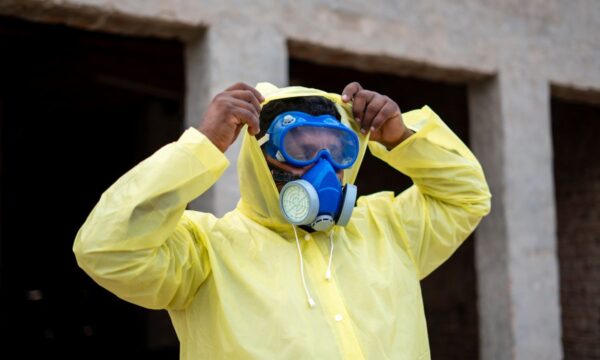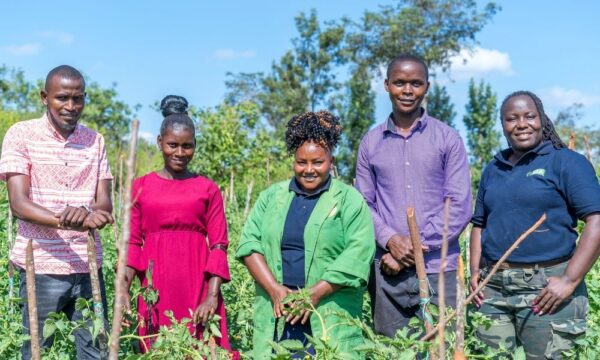
Findings from Kenya and Pakistan suggest that reducing risks from pesticides depends not only on awareness and information sharing, but on addressing the underlying motivations that shape farmers’ pest management decisions
Pesticides can cause harm to human, animal, and environmental health. The UNEP’s Environmental and Health Effects of Pesticide Use report states that the use of pesticides will virtually always pose risks. Their impacts have prompted governments around the world to impose stricter regulations and explore alternative pesticide practices.
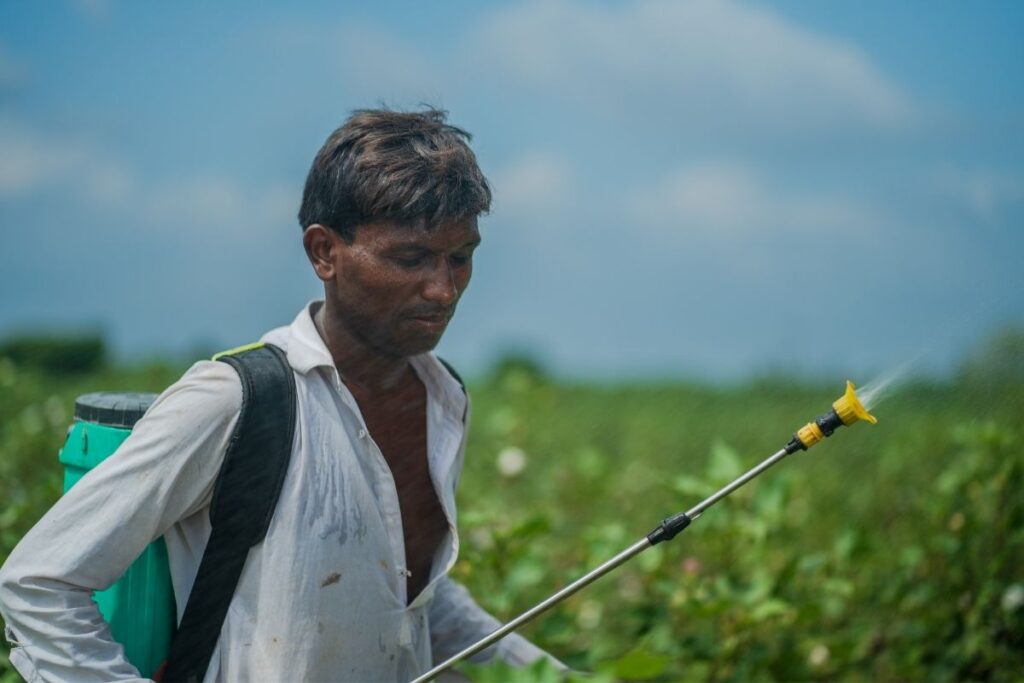
PlantwisePlus has made a commitment to reducing pesticide risks, and while there are many ways to do this, they are not always applied in the food production process. As global food demand rises and farming practices intensify, threats from pesticides are likely to grow. Moreover, trade in illegal pesticides such as banned, counterfeit, and low-quality products is increasing and becoming more sophisticated. Enforcement mechanisms take time to implement and cannot always keep up with changing realities on the ground.
Practices that lead to health risks are often attributed to a lack of farmer knowledge, and training is proposed as the main solution. However, multiple studies confirm that awareness of pesticide risk is already high. This raises a more difficult question: if knowledge isn’t the primary barrier, what is, and crucially, what needs to change beyond simply sharing information?
Day-to-day pressures override information about pesticide safe handling
Many factors prevent the current system from delivering the best outcomes. PlantwisePlus addresses these challenges by focusing on three key areas:
- Policy: Working with regulators to improve policies and removing regulatory barriers to increase the availability and adoption of lower-risk plant protection products. Supporting capacity strengthening, for example, for pesticide risk assessment, residue monitoring, and review of registered pesticides.
- Research: Building the evidence base and developing practical integrated pest management (IPM) and bioprotection solutions that help reduce pesticide risks.
- Production: Strengthening the knowledge and capacity of farmers and other value chain actors to adopt affordable, locally appropriate lower-risk options, while improving the quality and availability of bioprotection products. Supporting risk mitigation of pesticides.
When considering the last of these three points, part of the answer lies in helping to change farmer behaviour. Research shows that awareness of pesticide risks does not automatically translate into safer practices. Farmers operate within a web of economic pressures, social norms, and structural challenges that shape their decisions far more powerfully than information alone. Understanding and addressing these deeper drivers is what Social and Behaviour Change Communication (SBCC) is designed to do.
As Azmat Abbas, Development Communication Manager at CABI in Pakistan, puts it:
“Farmers often know about pesticides, but information alone does not change what happens in the field. Behaviour change helps translate knowledge into safer, more practical decisions.”
For example, in the field, a short-term need for a successful harvest might override a concern about long-term health risks to pesticide exposure, especially if food production determines a household’s ability to afford essentials such as education and healthcare. Over-spraying “just in case” may simply feel less risky than using the right amount of pesticide. This behaviour is consistent with the Health Belief Model. This well-established framework in behavioural science shows that people’s health decisions are shaped by their perceived susceptibility to risk. Education and knowledge sharing can help to address genuine versus perceived risk.
A smarter way forward – the Ukulima True campaign
In Kenya, the Ukulima True campaign, implemented under the PlantwisePlus programme, applied SBCC principles to address specific risks such as pesticide over-use. Instead of simply explaining the rules, agricultural advisors focused on influencing the everyday choices that farmers make when they use pesticides. The project built meaningful connections with farmers by focusing on what matters to them most – the pride they take in stewarding the land and producing healthy, high-quality food.
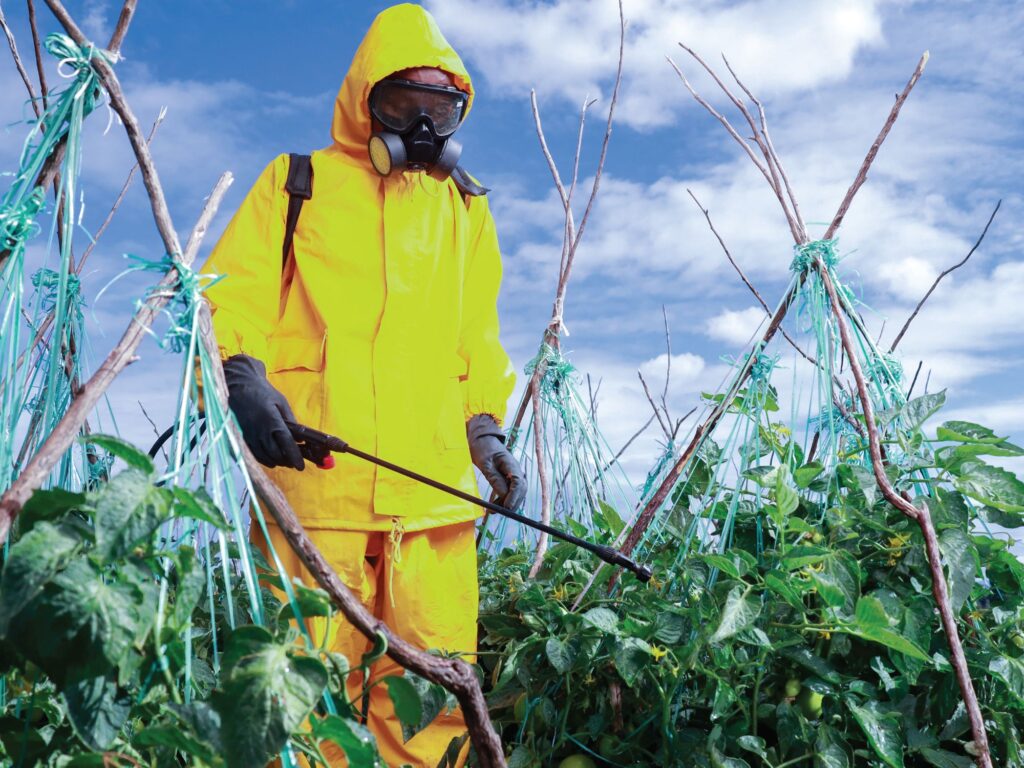
The project did this by conducting farmer meetings, community dialogues, and field training. It encouraged farmers to reduce reliance on chemical pesticides, delivering pesticide risk reduction messages through multiple communication channels. This included community meetings and farmer groups, radio programmes, dramas, posters, and videos.
Local ownership and co-design with farming communities were also important elements of the campaign. They addressed structural issues such as poverty and a lack of affordable or even available personal protective equipment (PPE). The initiative also linked farmers to value chains that reward safer practices through buyer requirements and produce certification.
One of the most notable aspects of the campaign was its outreach to stakeholders beyond farmers alone. Decisions to reduce pesticide risks are interconnected and reliant upon a range of diverse audiences, not just farmers. For this reason, the campaign connected with people across the food value chain, from agro-input dealers and consumers to extension services and policymakers. Through meetings, radio broadcasts, radio dramas, and training, the aim was to share knowledge and bring people together to ensure that all involved played a role in reducing pesticide risks and promoting sustainable pest management. Farmers are only part of the chain.
- Agro-input dealers: the campaign engaged these input retailers as agents of change, aligning communications about lower-risk plant protection products with their business-focused incentives.
- Consumers: communications activities emphasized the production of quality food and safety to create greater demand for safer, more sustainably grown produce.
- Extension services: investments were made into formative research to understand behavioural drivers before designing interventions.
- Policymakers: the work improved coordination among partners and helped identify their priority advocacy issues such as regulating spray service providers.
Results that show concrete changes in behaviour towards pesticide use
The results were striking. Within six months, the proportion of farmers monitoring their fields for pests and diseases rose from 45% to 86%. Awareness of approved pesticides climbed from 55% to 70%, and the proportion of farmers seeking professional advice before applying pesticides rose from 50% to 78%. Adherence to pre-harvest intervals, a critical food safety measure, reached 86%. Meanwhile, the use of trained spray service providers, who apply pesticides safely on behalf of farmers, increased from 3% to 19%, directly reducing exposure for the farmers most at risk.
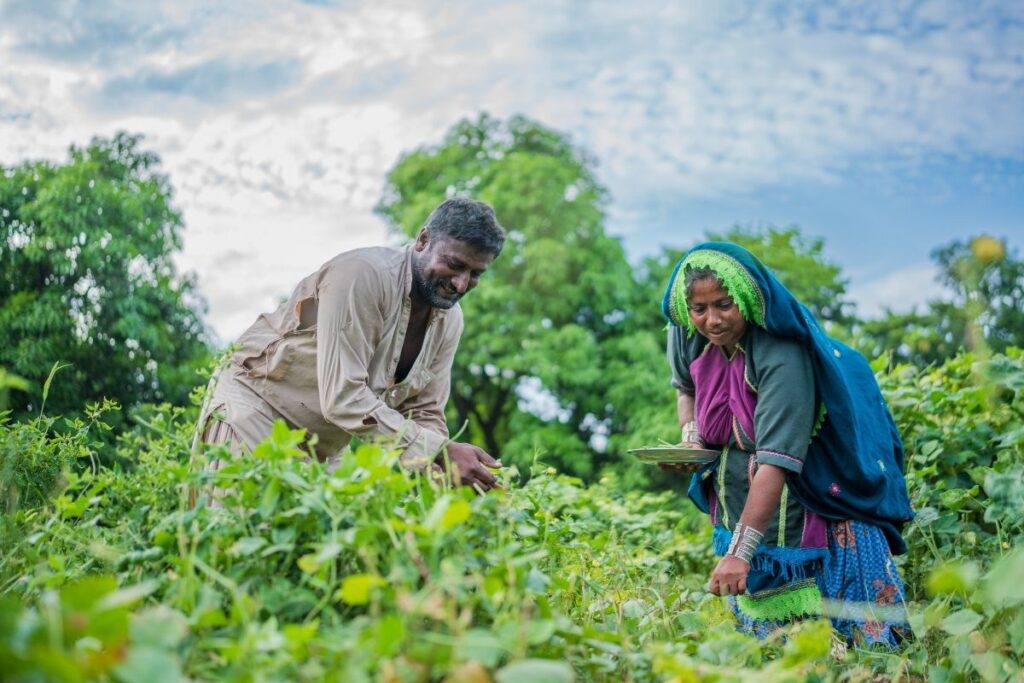
Concerning pesticide alternatives, the campaign reported that 86% of farmers had adopted at least three IPM practices, up from 60% at baseline. The study also reported an 18% increase in the use of IPM practices and an 18% higher willingness to pay for biopesticides among farmers reached by the campaign.
The shift in day-to-day behaviour is visible on the ground. A ward agricultural extension officer in Subukia described the change:
“I’ve had a few farmers visiting the office with samples of their diseased crops to seek advice before going to the agrovet to purchase the pesticide. This is unlike before, when farmers would not take the initiative to consult the extension officers. Now, some even call over the phone to seek advice and book appointments.”
This move from reactive to proactive behaviour, scouting before spraying, and seeking advice before buying is precisely the kind of decision-making shift that information campaigns alone have consistently failed to achieve.
The change is equally visible at the point of sale. One agro-dealer noted:
“Currently, before the farmer picks the pesticide, they first confirm the expiry date. If the product is not labelled and has no seal, the farmer rejects it. Now they understand; it’s not like before when an agro-dealer would give a product to the farmer and then walk away.”
That an agro-dealer – someone with a commercial interest in selling products – is observing more discerning buying behaviour is particularly telling.
This new approach is especially important now, amid rising global temperatures and increased pest outbreaks. The growing presence of counterfeit and illegal pesticides, and more stringent market requirements, also makes a new approach more critical. Farmers today, smallholders especially, need access to more than product labels and regulations to guide complex decisions. They need science-based knowledge that takes into account the real world in which they live.
The call to act and think differently – safeguarding our future food production
The numbers speak for themselves. In 2025 alone, PlantwisePlus SBCC campaigns reached over one million farmers with pest management advice in seven focus countries using a range of communication channels such as radio broadcasts and field days. The programme also trained over 26,000 stakeholders. Evidence showed safer pesticide practices and increased IPM and biopesticide uptake as a result. The approach has been expanded to other countries such as Bangladesh, Ghana, Pakistan, and Uganda, where it is already having an impact at scale.
In May 2026, CABI and its partners launched the Global Partnership for Pesticide Risk Reduction, bringing together leading stakeholders from the public and private sector to advance a shared commitment to address pesticide risks worldwide. The platform aims to strengthen coordinated action and mitigate challenges through a concerted, international approach.
Reducing pesticide risks requires us to understand the complex decision-making that farmers must navigate. The Ukulima True campaign shows what is possible when we meet farmers where they are. Across PlantwisePlus countries in 2025, the gains multiplied:
- There were 31.9 million instances of smallholder farmers receiving plant health and pesticide risk reduction advice.
- This contributed to increased yields for 1.8 million farmers and increased incomes for 1.9 million.
- Women represented 38% of stakeholders reached, exceeding the programme’s own target.
Investment will enable farmers to change
As climate change drives agricultural intensification and pest pressures rise, the stakes will only become higher. This dynamic requires a shift from asking “What do farmers need to know?” to “What would enable farmers to change?” We must prioritize behavioural science in agricultural programmes that address pesticide risk at various levels.
Empowering farmers to adopt affordable, locally appropriate lower-risk solutions, alongside improving the quality and availability of bioprotection products, are core pillars of action that support the shift to lasting change. PlantwisePlus has demonstrated that this shift is not only possible; it is already happening. The evidence, the tools, and the partnerships are in place. What is needed now is the investment to take them further.
PlantwisePlus
PlantwisePlus gratefully acknowledges the financial support of the Directorate-General for International Cooperation, Netherlands (DGIS); European Commission Directorate General for International Partnerships (INTPA); UK International Development from the UK government; the Swiss Agency for Development and Cooperation (SDC); and the Australian Centre for International Agricultural Research (ACIAR).
Interested in learning more about PlantwisePlus?
PlantwisePlus works with partners including governments, research institutions, local NGOs, and regional plant protection organizations to strengthen plant health systems and improve food security.
>> Discover more about our approach and how we’re delivering sustainable impact.
Further reading
Pesticide risk reduction: Strengthening policy, supporting practice
Related News & Blogs
Papaya mealybug biocontrol boosts farmers’ incomes in Kenya and Uganda
Papaya mealybug is a devastating invasive polyphagous pest. This means it can feed on many different plants, making it a greater threat to plant health. In East Africa, it causes yield losses of 57-91% and annual…
25 August 2026