
Fall armyworm control starts with farmers, and collective action is key
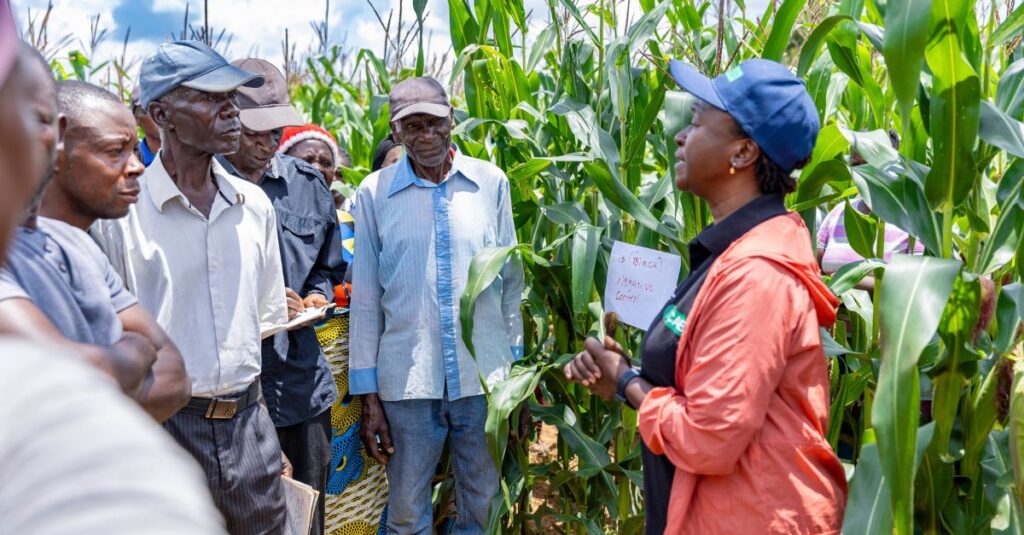
Fall armyworm is a highly mobile crop pest that moves quickly between maize fields. Since it arrived in Africa, the pest has quickly spread across land managed by millions of smallholder farmers. The speed at which it moves makes its management complex. Rather than working independently, one field at a time, recent research from Zambia has…
How digital learning is helping students build practical plant health skills in Vietnam
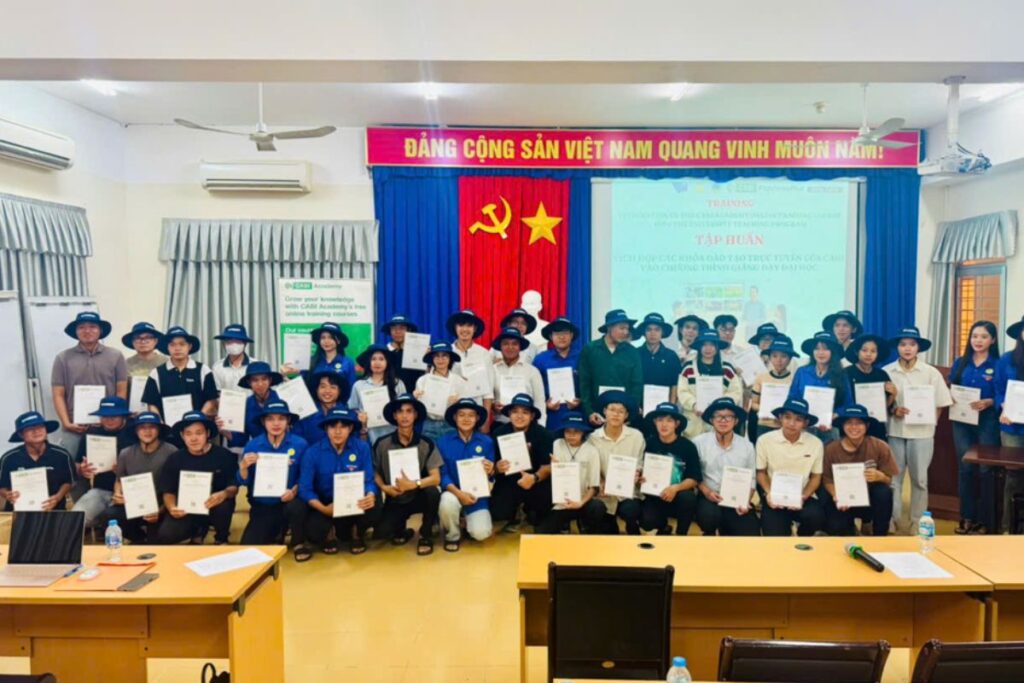
At An Giang University (VNU-HCM) in Vietnam, lecturers are using CABI Academy courses alongside conventional teaching methods to help students develop practical plant health knowledge and skills. More than 400 students have enrolled, using the courses to support their laboratory work, field activities and independent study.
Agricultural service providers are transforming rural livelihoods – here’s how
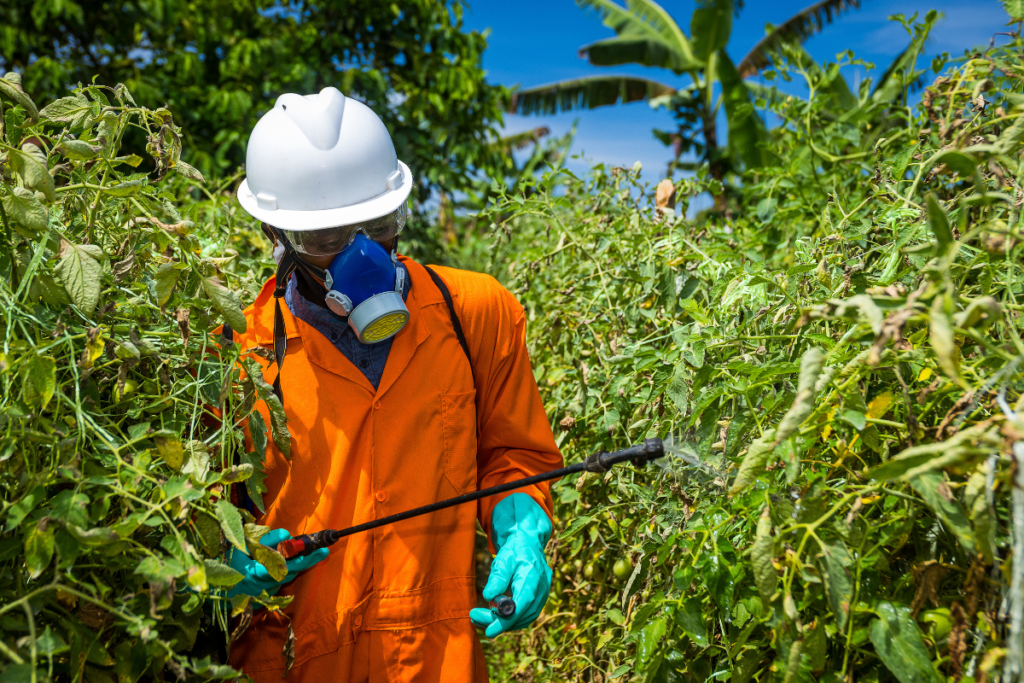
Agricultural service providers play an important role in farming. In addition to offering support, they also help to fill gaps in public extension systems. They deliver services such as pest and plant health diagnosis and integrated pest management (IPM) advice. By working with local authorities, PlantwisePlus is helping to train local entrepreneurs to become trusted service providers.…
How partnerships are supporting pesticide risk reduction in Thailand
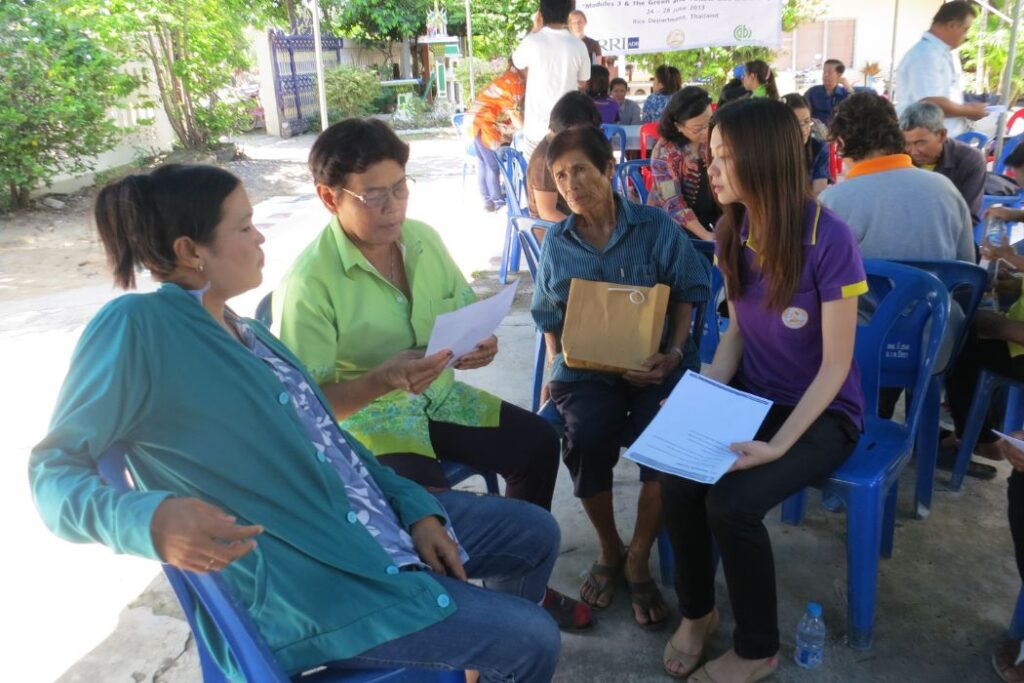
For many farmers, pesticides still play an important role in protecting their crops from pests and diseases and reducing losses. However, their misuse can pose serious risks to human health, the environment, and biodiversity. Reducing pesticide risks is more than just telling farmers about the risks. Farmers also need access to reliable advice, safer alternatives, and practical tools that help them…
PlantwisePlus and pesticide risk reduction – why changing minds, not just rules, reduces risks
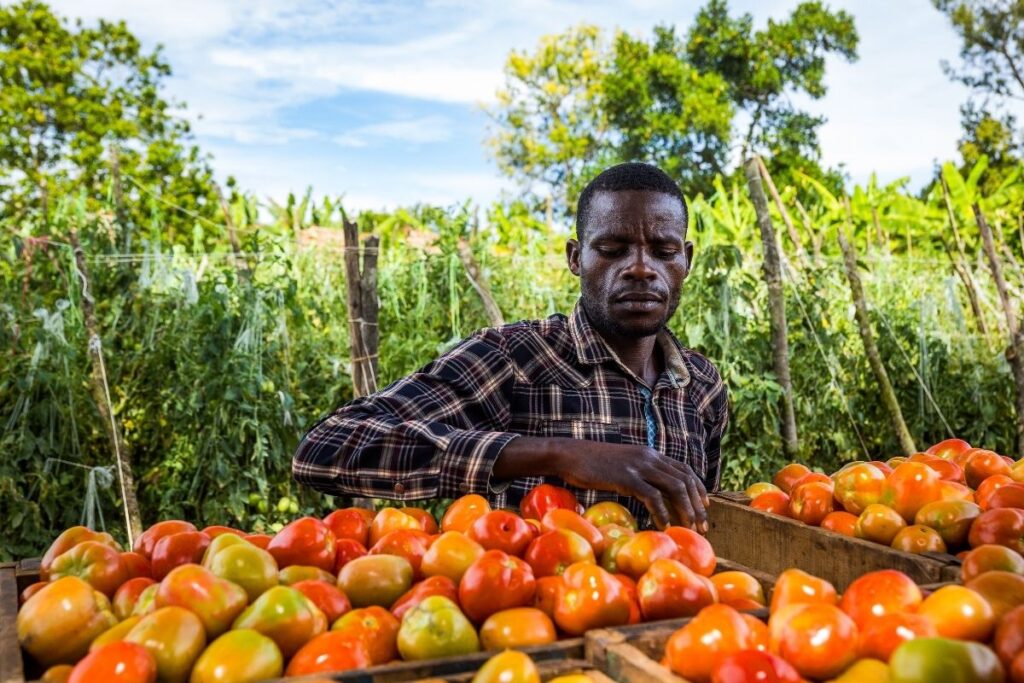
Findings from Kenya and Pakistan suggest that reducing risks from pesticides depends not only on awareness and information sharing, but on addressing the underlying motivations that shape farmers’ pest management decisions Pesticides can cause harm to human, animal, and environmental health. The UNEP’s Environmental and Health Effects of Pesticide Use report states that the use…
How plant clinics are strengthening biosecurity in Ethiopia
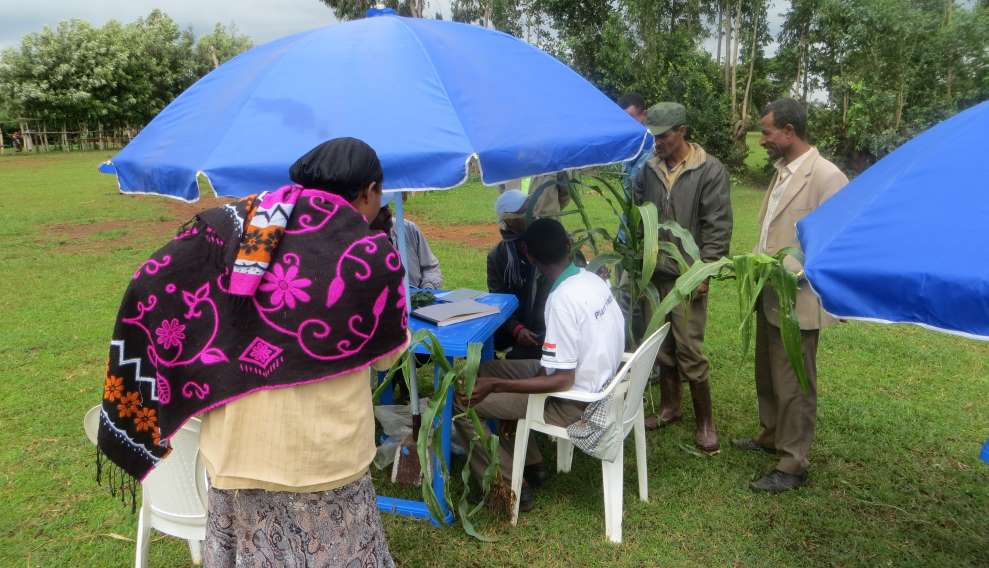
Biosecurity is essential for protecting food security, agricultural trade and rural livelihoods. It involves preventing the introduction and spread of harmful plant pests and diseases, alongside detecting new threats early so countries can respond quickly, in turn, strengthening their plant health systems. This was a key theme at the 28th Annual Conference of the Plant Protection Society of…
Gender Technical Working Groups – boosting the empowerment of women farmers

Gender Technical Working Groups are an effective way to bring together and support organizations that empower women farmers. In 2025, PlantwisePlus strengthened its work around gender responsiveness in agricultural advisory services. Focusing on Bangladesh, Ghana, Pakistan, and Zambia, the programme increased its stakeholder coordination and training with great results. In this blog, we look at the changes that one working group in particular…
From skills to success: How young agripreneurs are strengthening farming communities
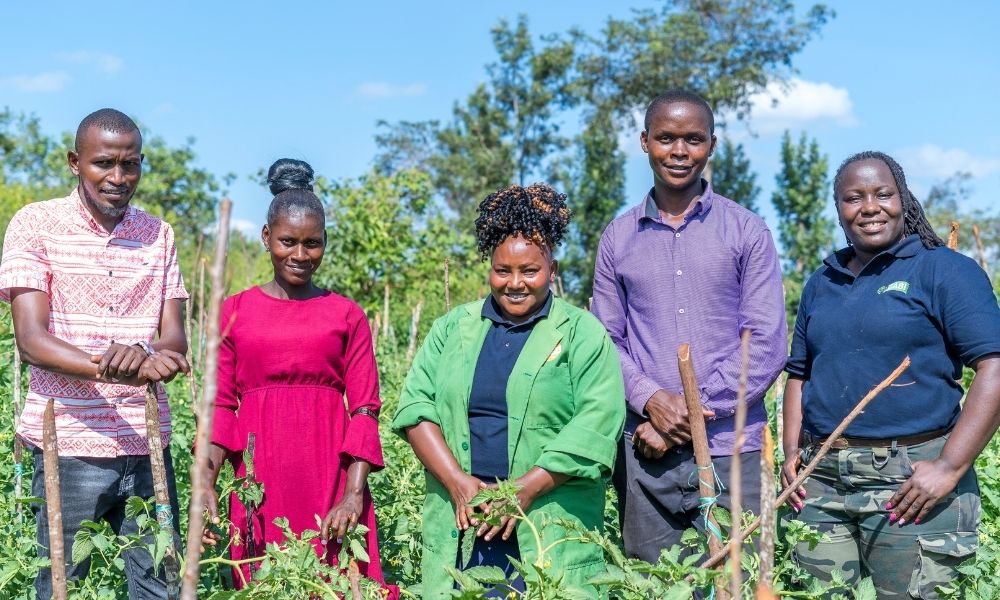
Every year, World Youth Skills Day celebrates the importance of equipping young people with the skills they need for employment, entrepreneurship, and sustainable livelihoods. Across East Africa, PlantwisePlus is helping young men and women turn those skills into successful agribusinesses that strengthen farming communities.
How Kenya is preventing mango mealybug through early detection
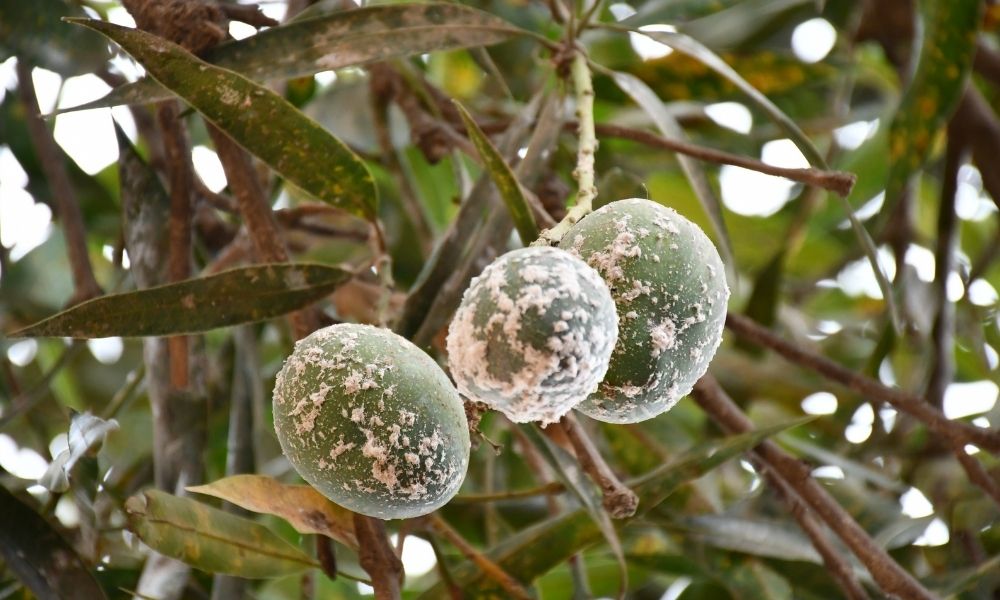
The confirmation of mango mealybug in neighboring countries has raised concern for Kenya’s agricultural sector. Although the invasive pest has not been detected in Kenya, the risk of its introduction remains high due to the cross-border movement of plant materials. If established, mango mealybug could affect mango production and trade, making prevention and early detection…
Digital tools aid sustainable pest management new study finds
Digital tools can help smallholder farmers access relevant, timely information about sustainable pest management, improving crop production and livelihoods. These are the findings of a study published in the journal Agricultural Systems.