
Seeing the risk and speaking up: improving pesticide safety in Ghana
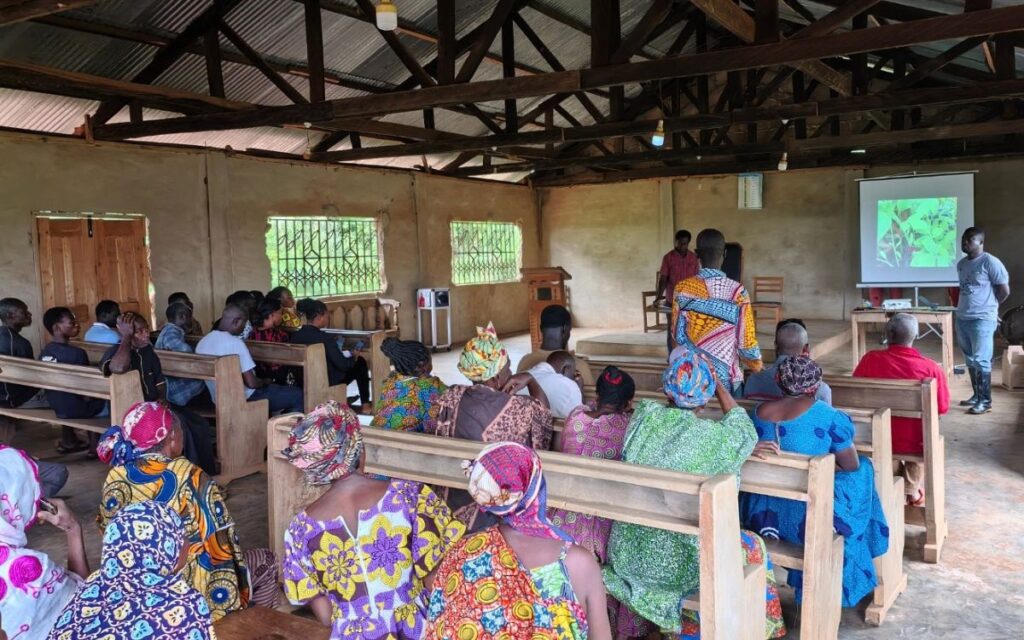
In Ahafo Ano North, Ghana, video-assisted community dialogues are moving pesticide education beyond one-way messaging. These videos are helping farmers, agro-input dealers, traders, and community leaders confront the pressures driving pesticide misuse. Together, they are identifying ways to reduce the risks.
PlantwisePlus and pesticide risk reduction – why changing minds, not just rules, reduces risks
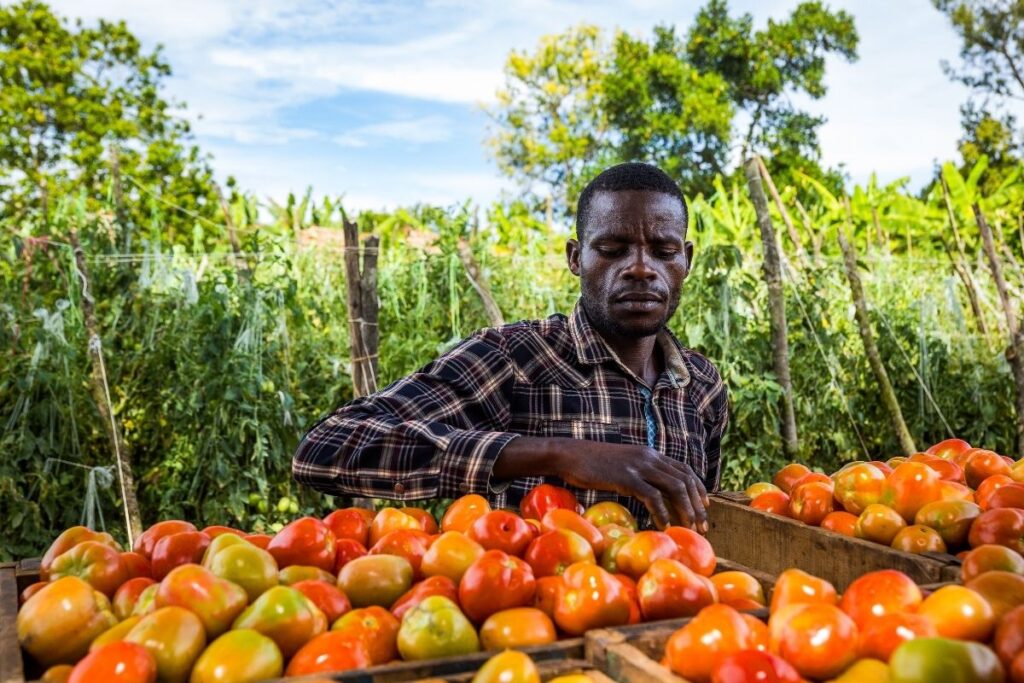
Findings from Kenya and Pakistan suggest that reducing risks from pesticides depends not only on awareness and information sharing, but on addressing the underlying motivations that shape farmers’ pest management decisions Pesticides can cause harm to human, animal, and environmental health. The UNEP’s Environmental and Health Effects of Pesticide Use report states that the use…
Supporting farmers in Burundi with plant health knowledge on major pests and diseases
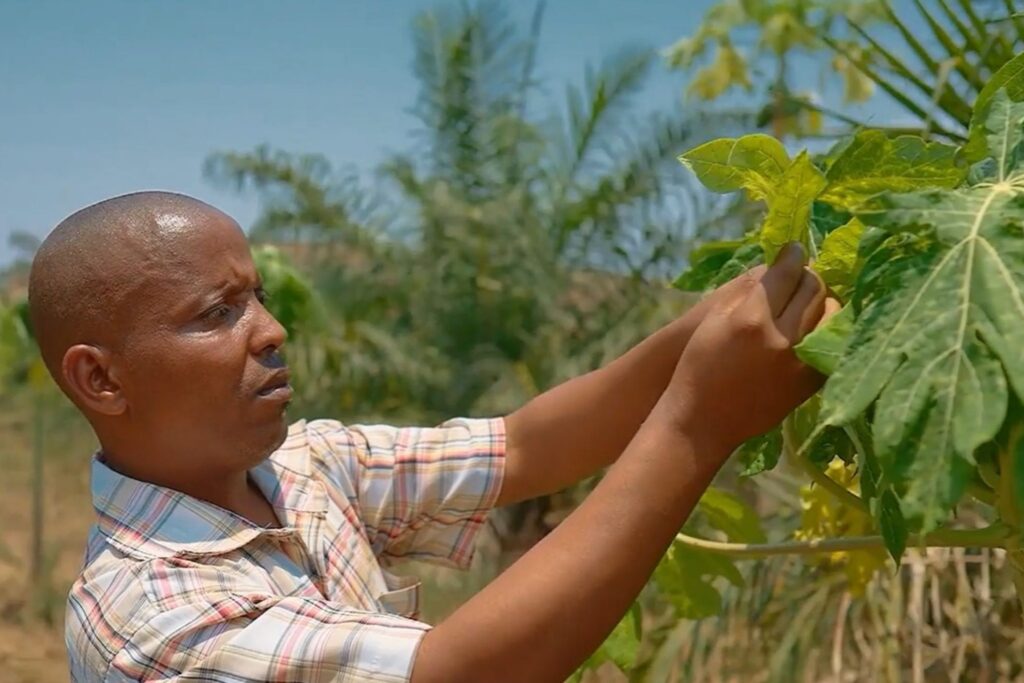
In Burundi, around 90% of the population depends on agriculture for food and income. Yet smallholder farmers lose up to 40% of their crops to pests and diseases each season. With some of the lowest per capita agricultural production in East Africa, strengthening pest and disease management was identified as a key priority. PlantwisePlus is…
How Social and Behaviour Change Communication is changing pesticide use in Pakistan
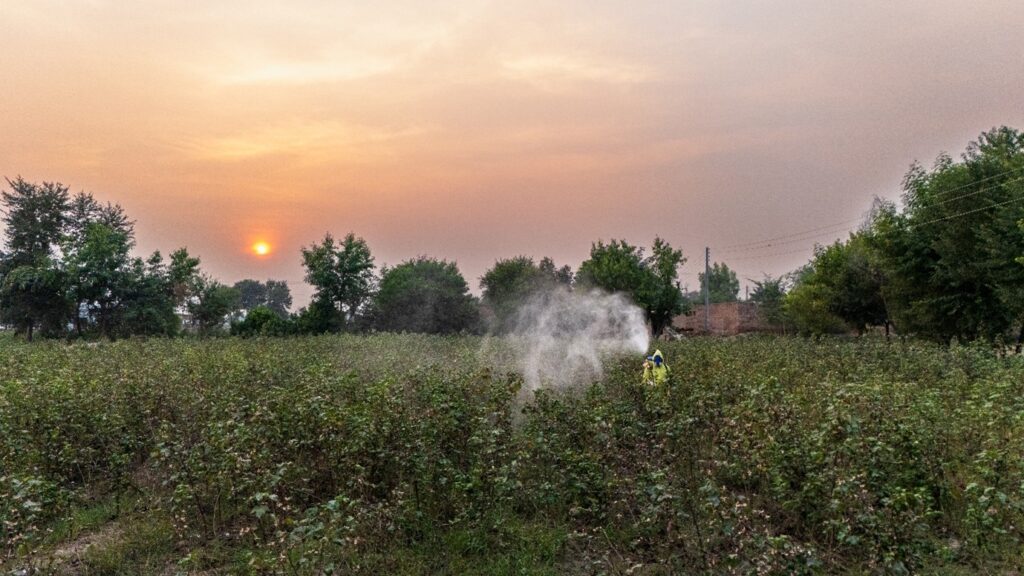
Social and Behaviour Change Communication is helping farmers in Pakistan adopt safer pesticide practices, reducing health risks and improving decision-making across farming communities.