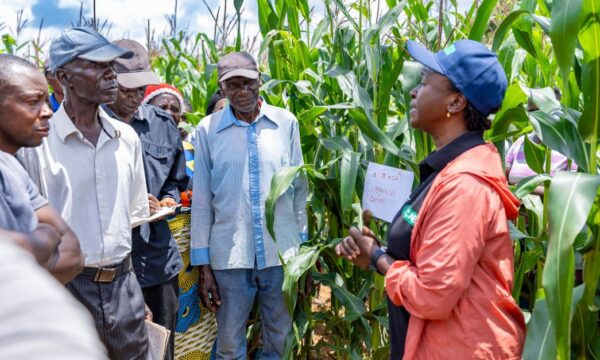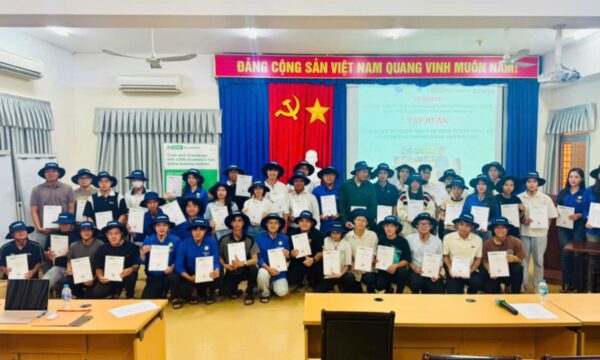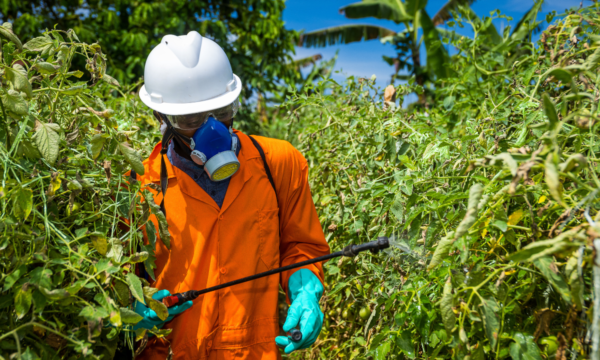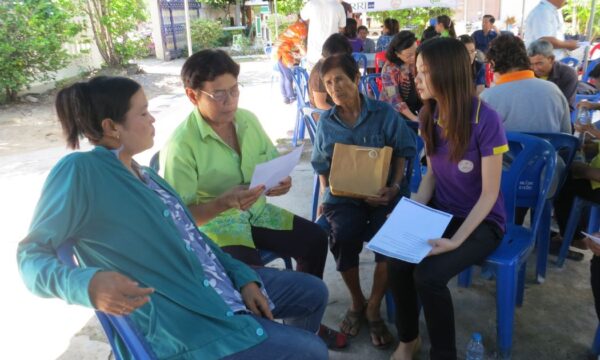
In Burundi, around 90% of the population depends on agriculture for food and income. Yet smallholder farmers lose up to 40% of their crops to pests and diseases each season. With some of the lowest per capita agricultural production in East Africa, strengthening pest and disease management was identified as a key priority. PlantwisePlus is directly addressing this through social and behaviour change campaigns to improve pest and disease management among farmers and farmer advisors. This includes creating and distributing plant health information materials.
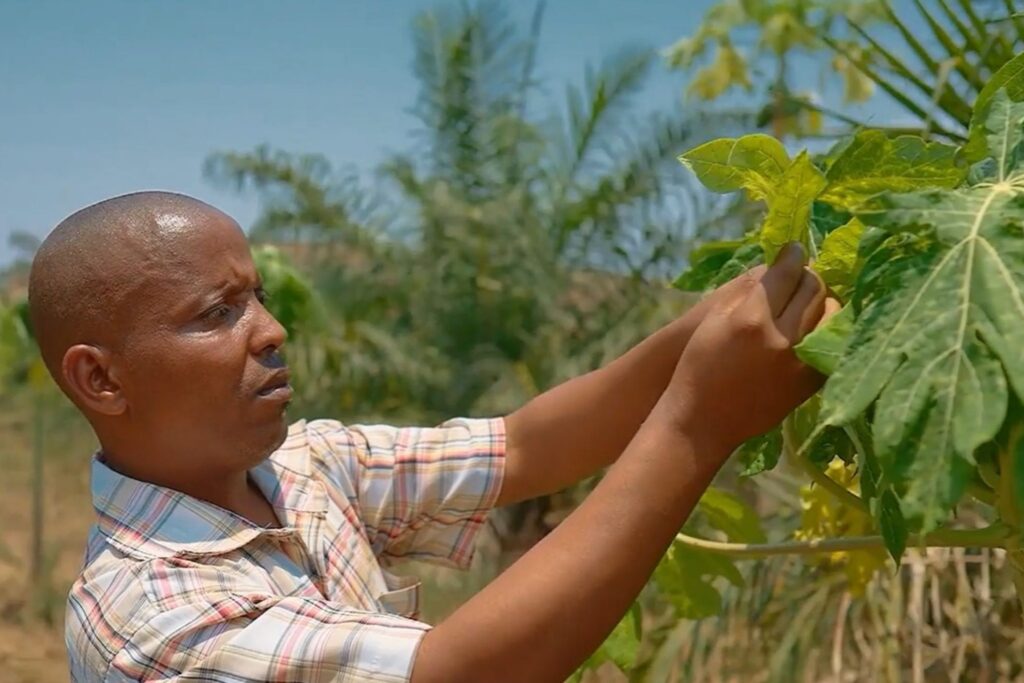
PlantwisePlus is a global programme running in over 27 countries, including Burundi. It supports farmers in growing more food sustainably by strengthening the plant health systems that support them. In Burundi, this includes working with the government to create a network of plant clinics staffed by trained plant doctors. These plant doctors provide access to science-based, practical advice.
Plant health information also comes in the form of Information, Education, and Communication (IEC) materials, such as leaflets, radio spots, and videos. CABI designs these resources to convey plant health advice in formats accessible to farmers.
Through my work with CABI, I had the opportunity to contribute to the production of these materials for a series of campaigns in Burundi. These materials focused on key crops in Burundi: mango, tomato, papaya, and banana.
Pests threatening Burundi’s crops
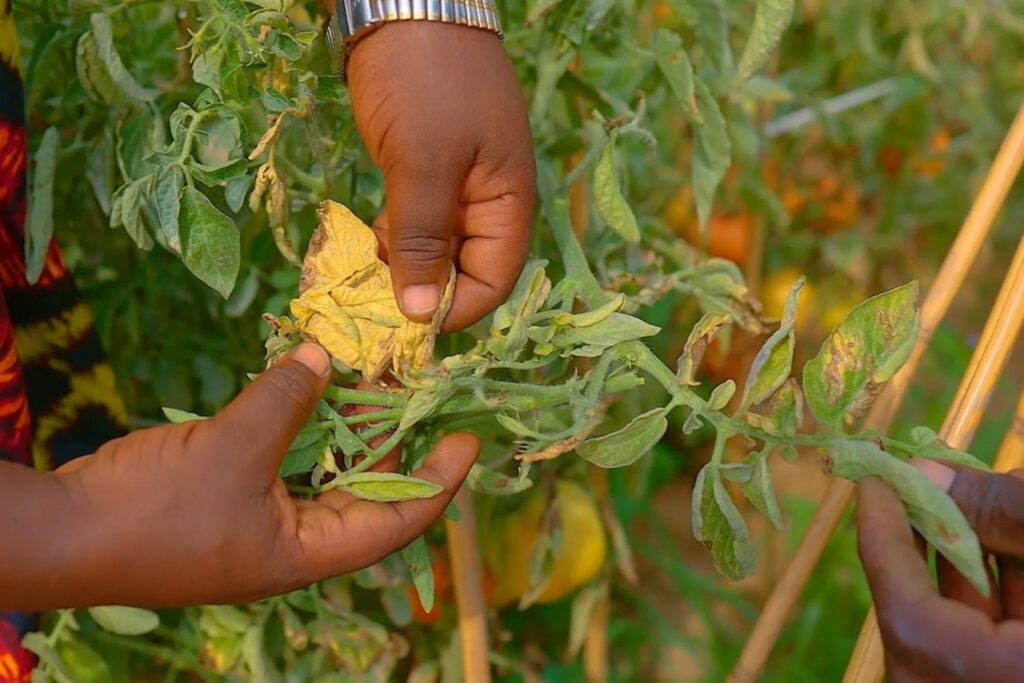
Each of these crops faces serious pest threats. The tomato leaf miner (Phthorimaea absoluta) has spread rapidly across sub-Saharan Africa and causes major losses if not identified and managed early. Mango mealybug (Rastrococcus invadens) is already widespread in Burundi, threatening fruit quality and yields. Papaya mealybug (Paracoccus marginatus) damages plants at every stage of growth and is difficult to treat with pesticides. And Tropical Race 4 (Fusarium oxysporum), also known as TR4, is a soil-borne fungus and one of the most serious risks to bananas and plantains.
The plant health information materials
To help farmers identify and respond to these threats, PlantwisePlus produced a range of IEC materials in Burundi. These materials cover:
Banana: Fusarium wilt Tropical Race 4 (TR4)
TR4 has no cure, so prevention is key. The materials focus on biosecurity: using certified, disease-free planting material, rotating crops, sanitizing soil, and disinfecting tools and equipment. Farmers, nursery operators, and extension officers are encouraged to regularly inspect new plantings, quarantine incoming material, and avoid moving contaminated soil. Buying certified planting material and sharing knowledge are two of the most important steps a farmer can take to stop TR4 spreading.
Mango: mango mealybug
The materials help farmers and extension workers with identification. Mango mealybugs are pale green-yellow insects covered in white wax, with long filaments and clusters of powdery residues on leaves. Shiny, sticky leaves are another indicator. Once detected, farmers are advised to remove and burn infected plant parts and keep fields clear of weeds and alternative hosts. Early identification is key to limiting damage before an infestation takes hold.
Papaya: papaya mealybug
The papaya mealybug materials introduce farmers to integrated pest management (IPM), combining prevention, cultural practices, biological control, and careful use of chemicals. Papaya mealybug is difficult to control with pesticides alone. The materials encourage farmers and extension workers to create comprehensive pest management plans and apply them across the season.
Tomato: tomato leaf miner
The tomato leaf miner materials focus on early detection. Farmers are shown how to identify the characteristic mines or tunnels left in tomato leaves, and why acting quickly matters. Regular crop inspection, correct identification, and integrated control practices are the core messages, all aimed at reducing yield losses before an infestation becomes difficult to manage.
Writing with farmers in mind
A key message present in the content was the importance of identification before action. You cannot manage a pest effectively if you cannot recognize it. Knowing what the damage looks like, how the pest spreads, and when it typically appears changes how you intervene entirely. Many farmers across Burundi had access to information about pesticide application. Still, fewer had access to clear guidance on what they were actually dealing with in their fields. These materials were designed to close that gap.
As an agronomist, I had already worked closely with farming communities in Burundi and the Democratic Republic of Congo, including training farmers on the production of bio-pesticides. In those communities, one belief tended to dominate: to fight pests, you needed chemical pesticides. Although alternatives existed, they were poorly understood or simply overlooked.
Working on PlantwisePlus content changed how I thought about communication in agriculture. I started thinking about what would be genuinely useful to a farmer standing in a field, looking at a damaged crop, and needing to know what to do next. The materials had to be simple, clear, and actionable, built around the realities of the people who would use them.
Reaching farmers with plant health information
While coordinating the recording of radio spots, I witnessed direct exchanges between agricultural experts and farmers calling in from across Burundi. They described the problems they were experiencing, asked questions, and shared concerns. These were real conversations, not scripted. They were real people, and their needs helped shape the plant health information we produced.
One evening, I boarded a bus after a long day of work. The radio was playing. I recognized one of the spots we had produced. It was a message about pest management. The jingle we recorded a few weeks ago in a studio was now reaching people on their commutes, in their homes, and in their daily lives.
Growing more, losing less
Good communication in agriculture is about making science useful and accessible to the people who need it most. Farmers who can identify a pest, understand its behaviour, and act on evidence are farmers who grow more and lose less.
Plant health information: materials and resources
Explore PlantwisePlus plant health information for Burundi, including videos and audio content to support farmers and advisors in the field.
Watch videos and listen to audio guides >>
PlantwisePlus gratefully acknowledges the Embassy of the Kingdom of the Netherlands in Burundi, Ministry of Foreign Affairs of the Netherlands, for its financial support of our work in Burundi.
Interested in learning more?
PlantwisePlus works with partners including governments, research institutions, local NGOs, and regional plant protection organizations to strengthen plant health systems and improve food security.
>> Discover more about our approach and how you can get involved.
Related News & Blogs
Seeing the risk and speaking up: improving pesticide safety in Ghana
In Ahafo Ano North, Ghana, video-assisted community dialogues are moving pesticide education beyond one-way messaging. These videos are helping farmers, agro-input dealers, traders, and community leaders confront the pressures driving pesticide misuse.…
8 October 2026