Sri Lanka’s farmers face persistent challenges. Crop pests and diseases threaten yields across paddy and vegetable fields. The agriculture sector employs over 2 million people, roughly 30% of the workforce. Seven in ten smallholder farmers own less than 0.8 hectares of land. For these farmers, a pest outbreak can be devastating.
CABI introduced the Permanent Plant Clinic Programme ( PCCP) to Sri Lanka in 2009. Plant clinics work with partners across the country to help smallholder farmers protect their crops from pests and diseases. There are now 541 plant clinics, run through government and local institutions. They help farmers identify crop health problems and advise on integrated pest management (IPM) techniques.
Sri Lanka’s Department of Agriculture (DOA), in collaboration with CABI, oversees the implementation and monitoring of the PCCP nationwide. The Provincial Department of Agriculture works with the districts to conduct plant clinics at the regional level.
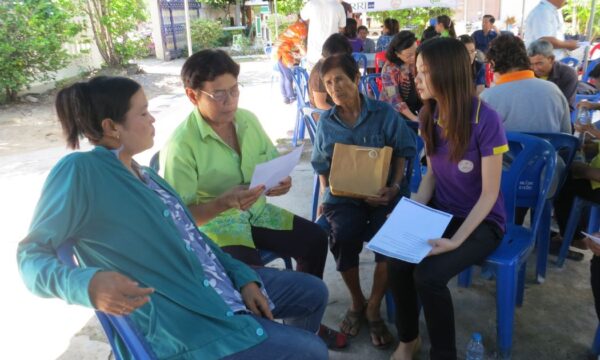
In Sri Lanka, farmers can visit plant clinics in accessible locations such as markets. Farmers bring samples of diseased or pest-damaged crops to a trained Agricultural Instructor (AI), who serves as a plant doctor.
At Sri Lanka’s plant clinics
Farmers arrive at plant clinics in Sri Lanka carrying leaves with unfamiliar spots, wilting plants and seedlings and questions about which products to use. The plant doctors examine affected samples with diagnostic tools, provide scientific IPM-based advice, and issue prescriptions to farmers. Plant doctors record prescription data for each consultation. The Department of Agriculture (DoA) uses this data for pest surveillance and national decision-making.
In Kandy and Gampaha, the Central and Western Provincial Departments of Agriculture run the plant clinics respectively, in partnership with the DoA and CABI.
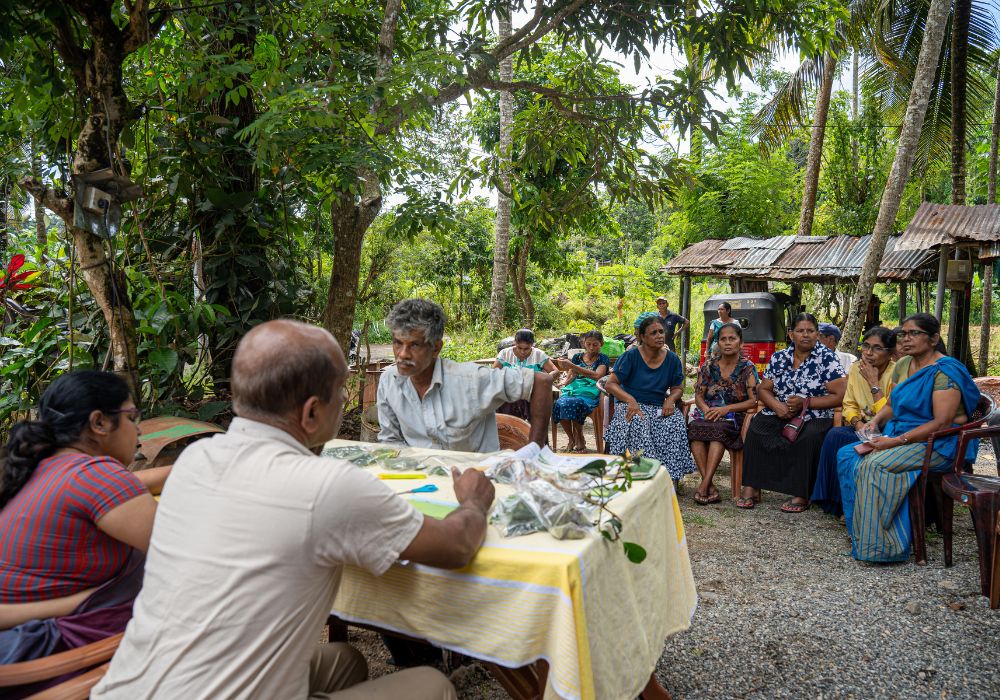
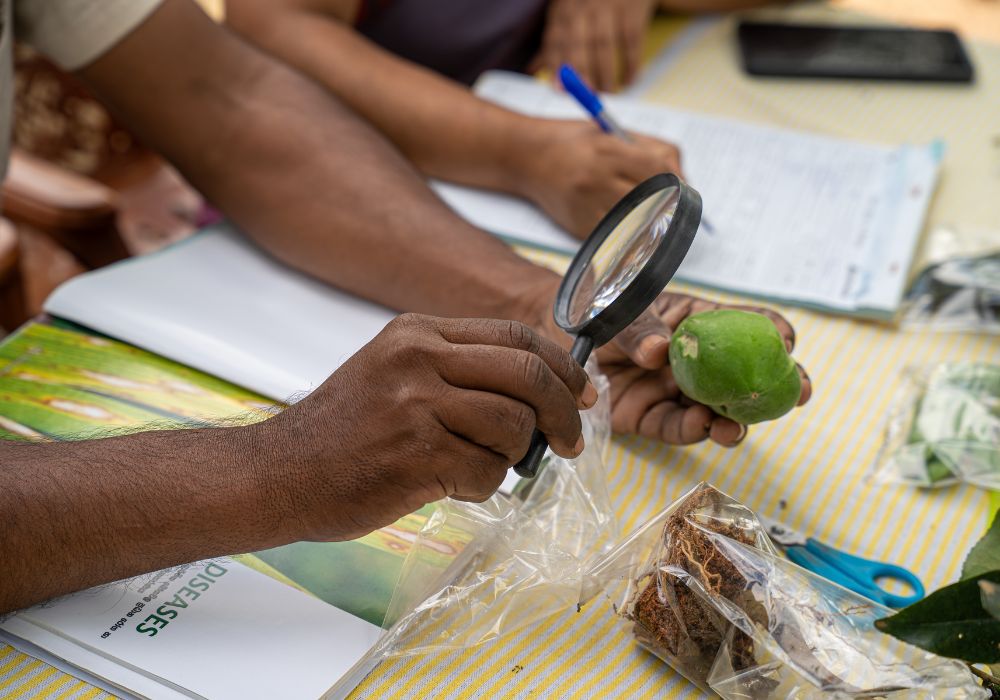
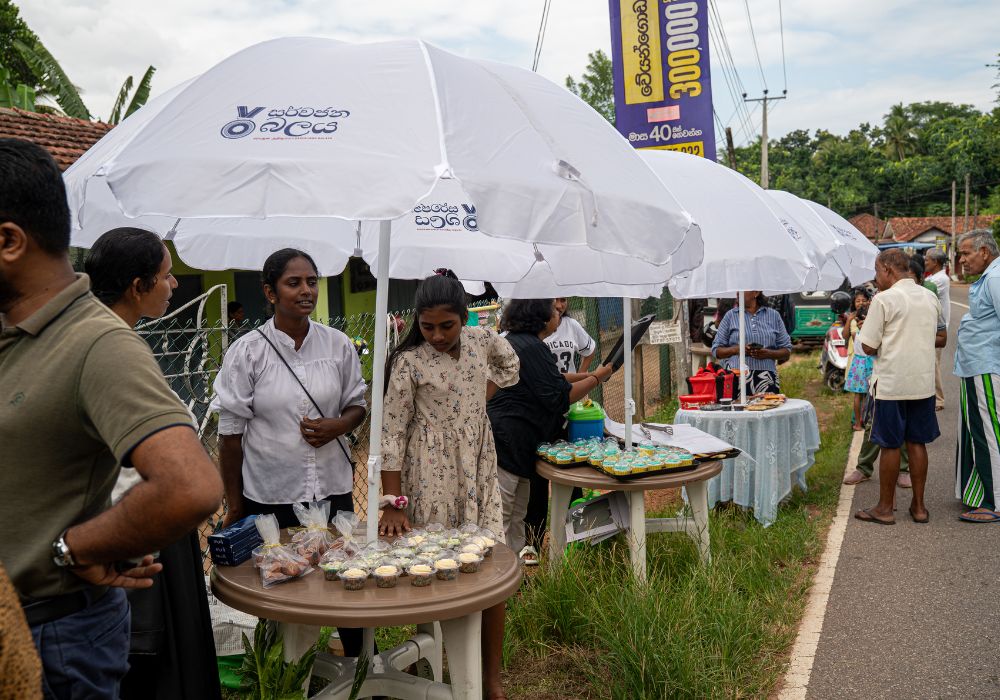
Sri Lanka’s plant clinics: demonstrations and crop specimens
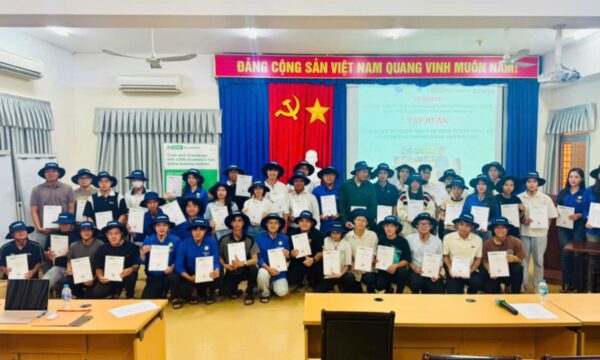
Plant clinics don’t just provide diagnoses. They are also learning spaces. Extension workers and government officers use them to illustrate crop problems and demonstrate safer farming practices. Plant clinics also help identify new invasive pests and disease outbreaks, which are reported to the DoA nationally.
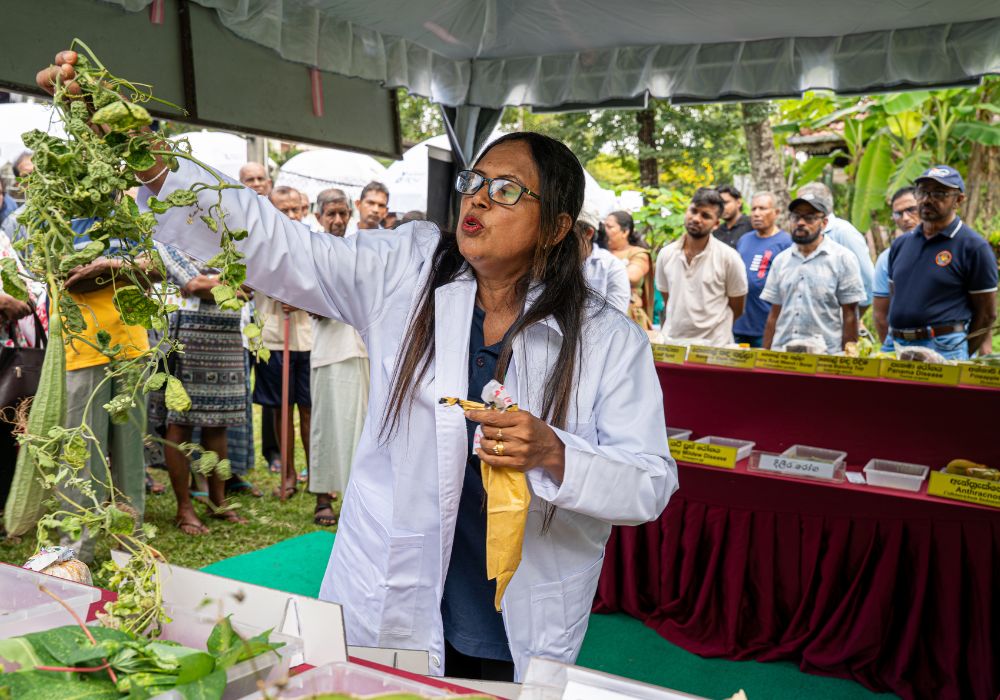
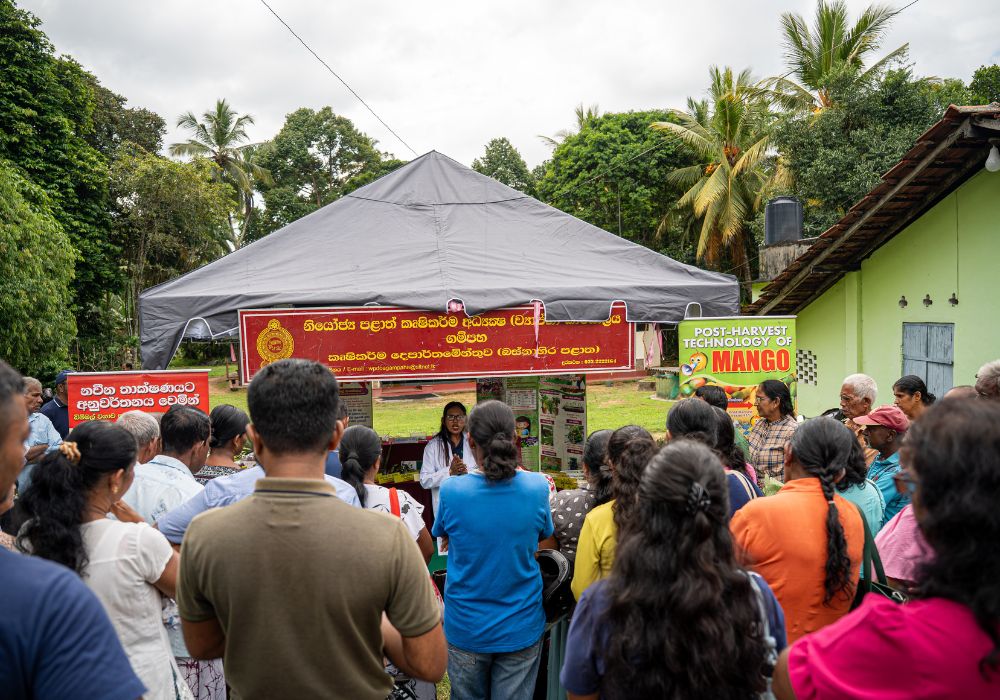
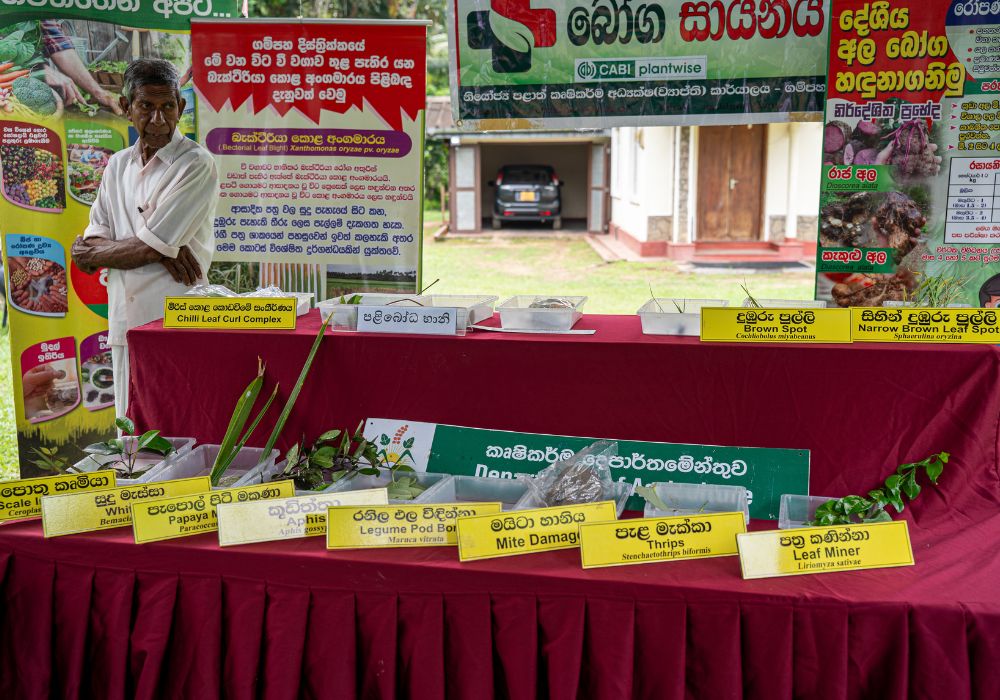
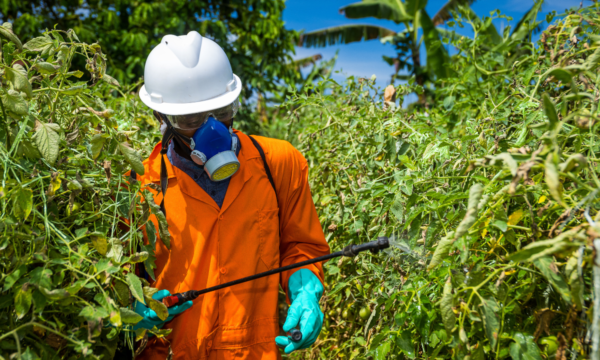
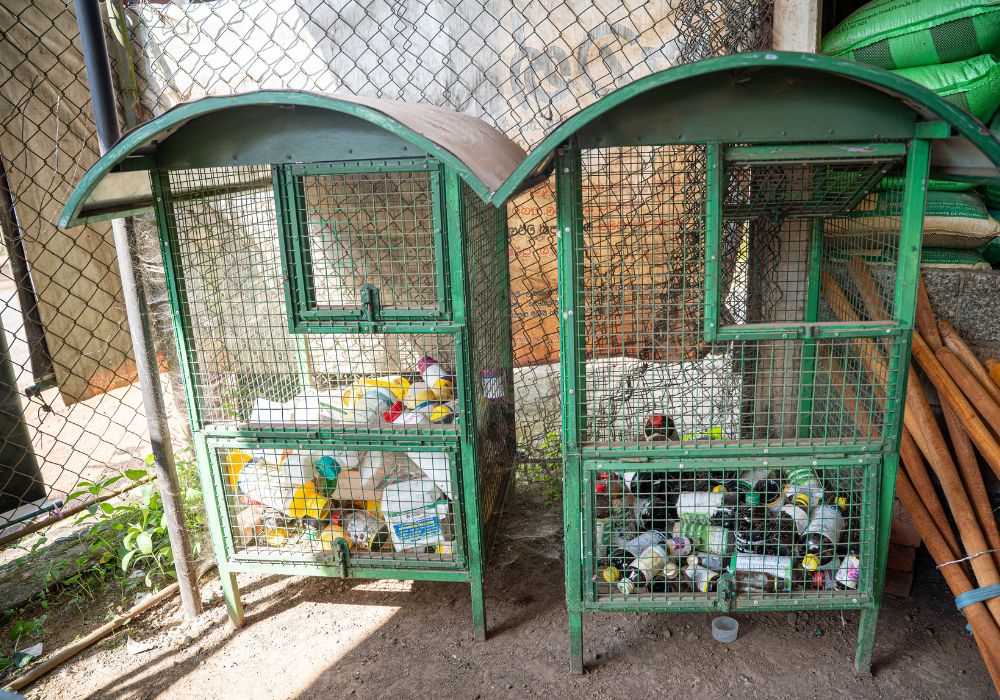
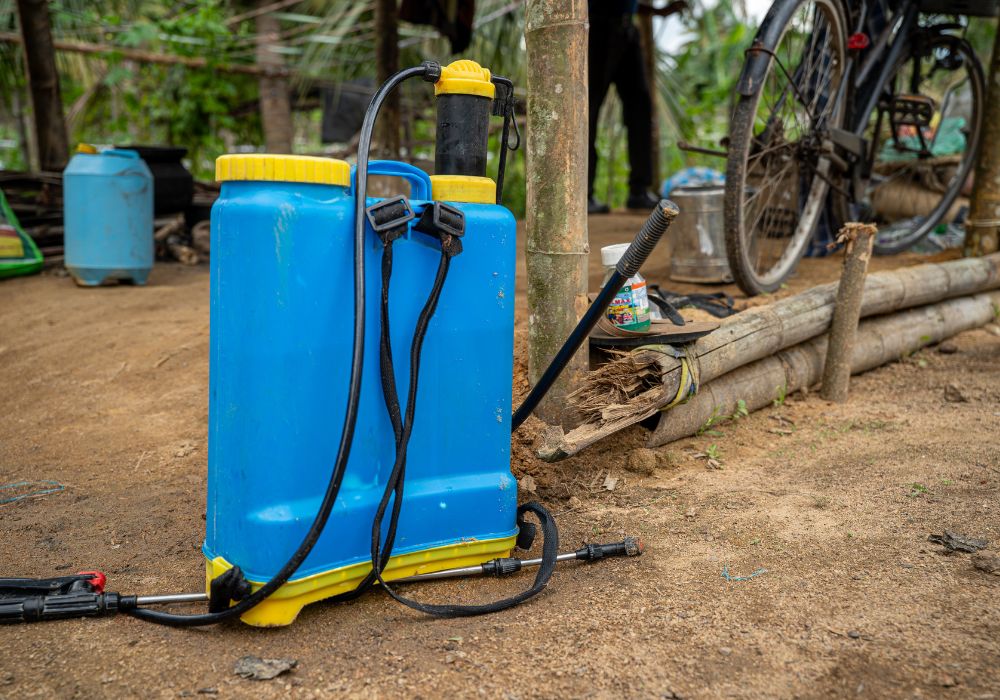
Demonstrations cover the correct use of personal protective equipment (PPE) when handling and applying pesticides, how to read product labels, and what to do with empty containers. Farmers who spray without gloves, masks, or protective clothing, or who reuse empty containers for water storage, put their own and their families’ health at risk.
The case for this kind of practical training is clear. A 2024 CABI situation analysis found that 22% of surveyed farmers reported whitefly damage on their tomato crops. Those farmers responded by applying unregulated doses of pesticides. Plant clinics are designed to interrupt that pattern, accurately identifying the problem before deciding whether and how to spray.
The demonstrations at plant clinics are often participatory. Farmers look at plant specimens, try on PPE equipment and ask questions.
Promoting IPM and biological controls
Chemicals are often the first response when pest outbreaks occur. This reflects both a knowledge gap and a market gap. The domestic market for biocontrol agents and biopesticides in Sri Lanka remains underdeveloped. What is more, among smallholder farmers, understanding of low-risk alternatives is still limited.
Plant clinics promote IPM as an alternative approach. IPM combines regular field monitoring, biological controls, and cultural practices such as intercropping to reduce pest pressure without relying solely on chemicals.
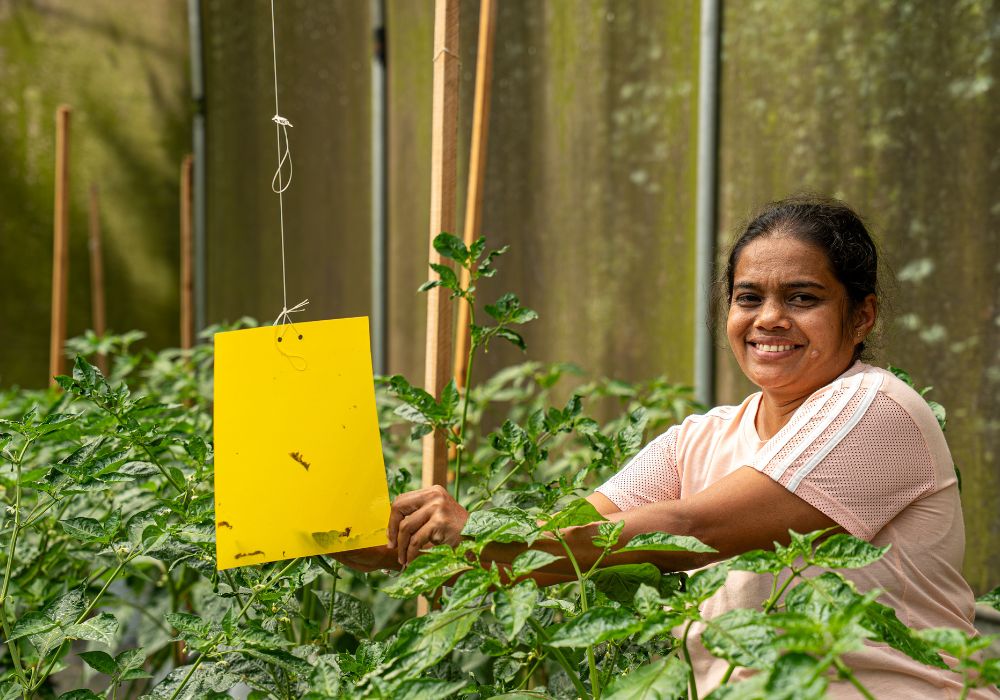
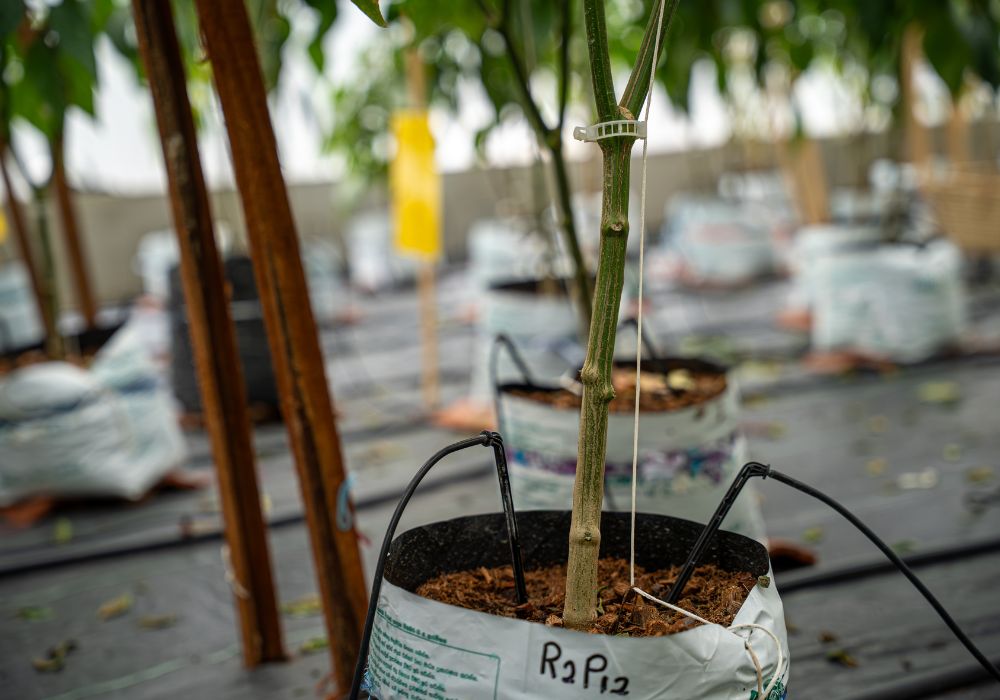
On farm visits in Gampaha and Kandy, farmers described checking their crops more regularly after engaging with plant clinics. Several had adopted IPM techniques, including pheromone traps.
Sri Lanka’s farmers
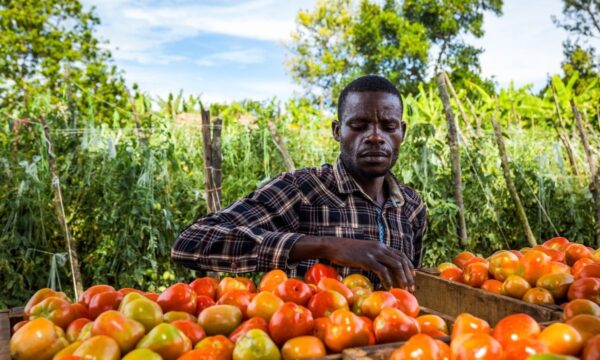
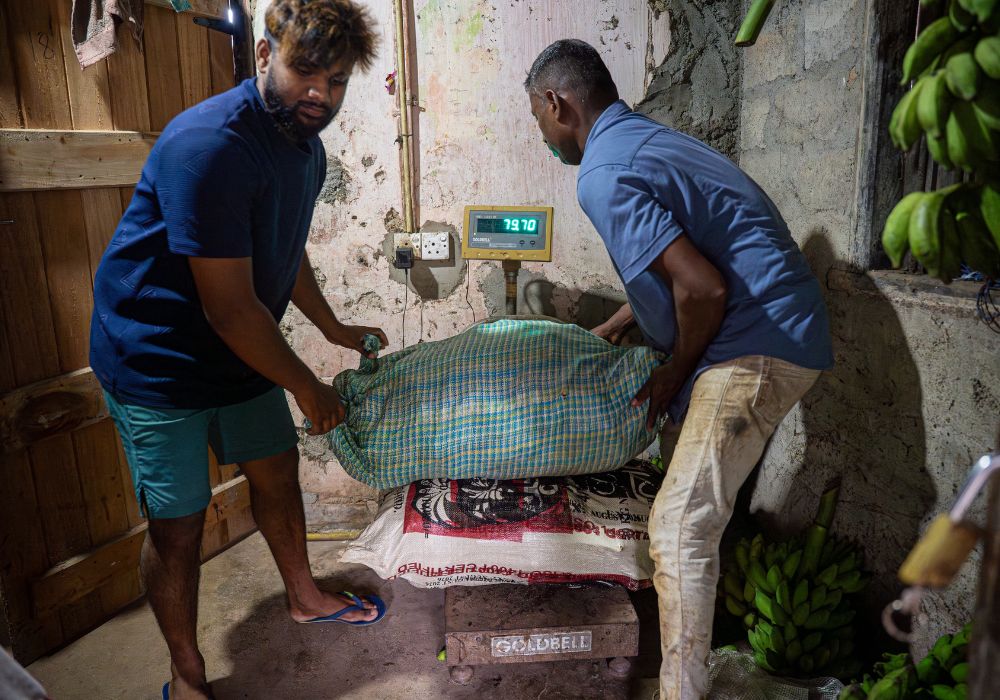
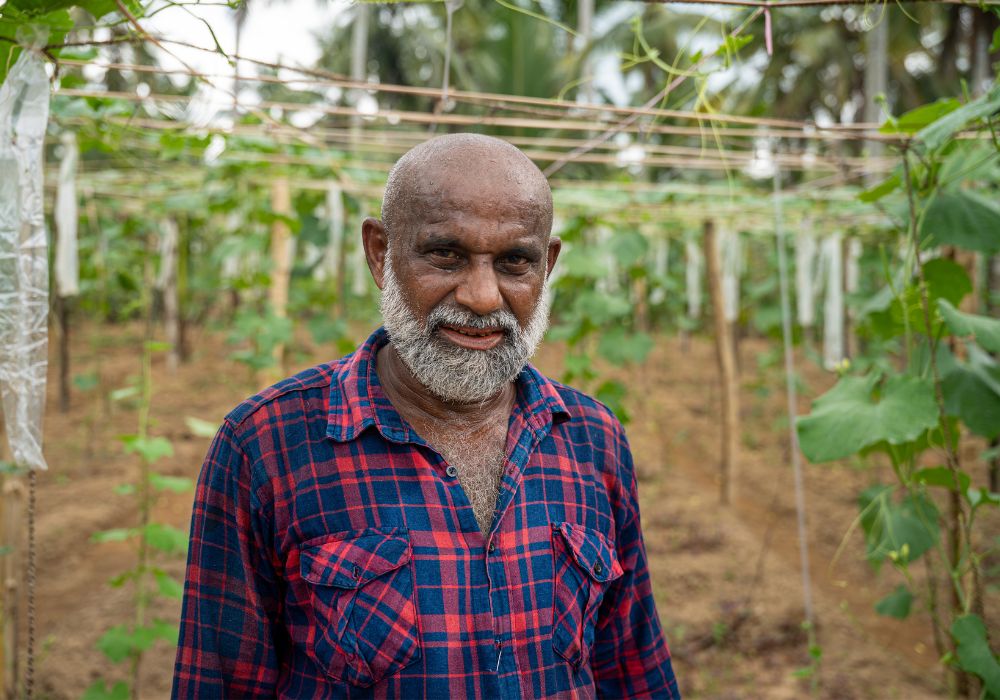
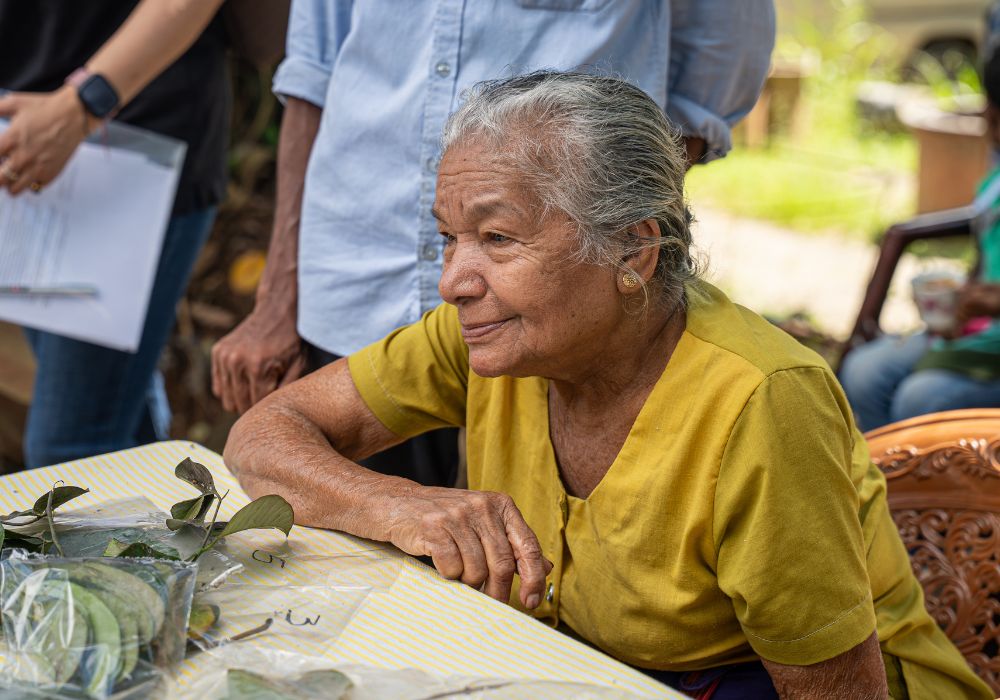
More than 70% of Sri Lanka’s population live in rural areas and depend on agriculture for their livelihoods. Over 40% of the farming workforce are women, playing a central role in everything from planting to harvesting. Behind every consultation at a plant clinic is a farming household making decisions about how to manage land, labour, and resources.
Building a more sustainable future for Sri Lanka’s farmers
What began as a pilot in 2009 has grown into a national extension programme. The Department of Agriculture has formally recognized it, and partner institutions across all nine provinces now support it.
Sri Lanka’s plant health system still faces real difficulties. Reliance on agrochemicals remains high. Climate change is adding new pressures, shifting rainfall, causing more frequent droughts, and raising temperatures, all of which affect when and where pests emerge.
Plant clinics in Sri Lanka offer farmers a practical resource: a regular, accessible point of contact for evidence-based crop health advice. That advice is helping to shift farming habits towards more sustainable options.
Further reading
Permanent Crop Clinic Programme in Sri Lanka to be strengthened following stakeholder meeting
Training Sri Lanka’s agro-dealers in pesticide risk reduction
PlantwisePlus
PlantwisePlus gratefully acknowledges the financial support of the Directorate-General for International Cooperation, Netherlands (DGIS); European Commission Directorate General for International Partnerships (INTPA); UK International Development from the UK government; and the Swiss Agency for Development and Cooperation (SDC).
Interested in learning more?
PlantwisePlus works with partners including governments, research institutions, local NGOs, and regional plant protection organizations to strengthen plant health systems and improve food security.
>> Discover more about our approach and how you can get involved.
Related News & Blogs
Fall armyworm control starts with farmers, and collective action is key
Fall armyworm is a highly mobile crop pest that moves quickly between maize fields. Since it arrived in Africa, the pest has quickly spread across land managed by millions of smallholder farmers. The speed at which it moves makes its management co…
1 October 2026