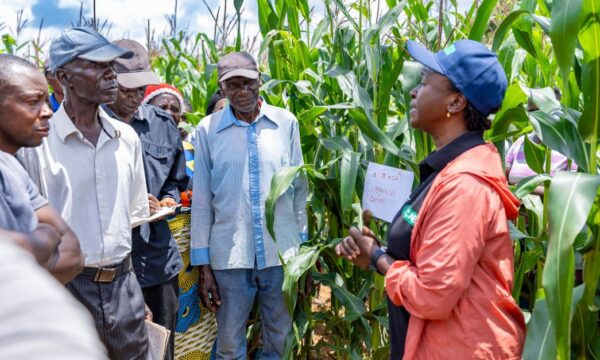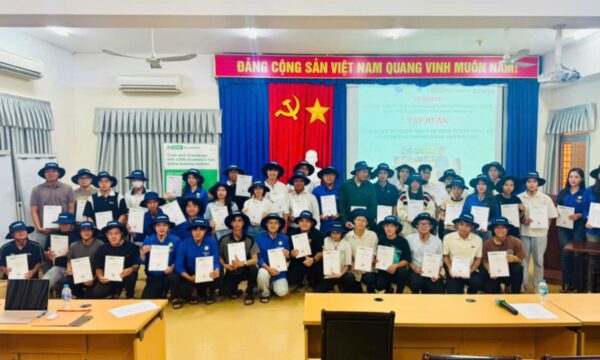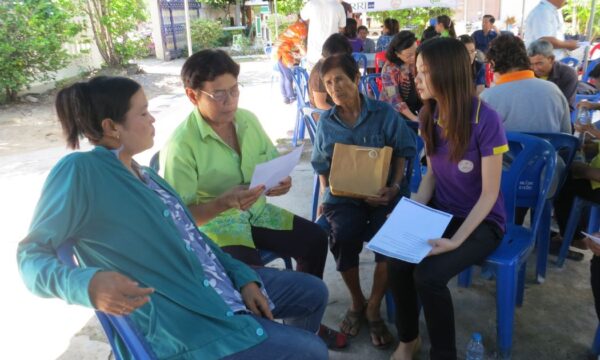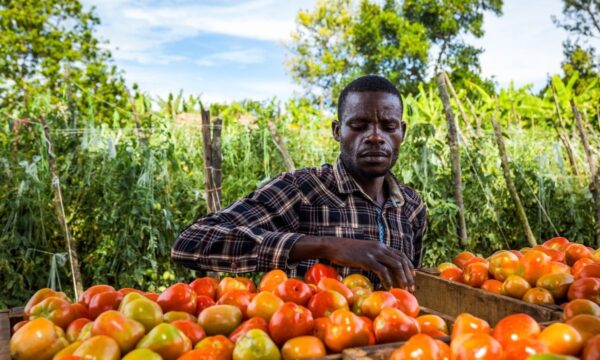
Agricultural service providers play an important role in farming. In addition to offering support, they also help to fill gaps in public extension systems. They deliver services such as pest and plant health diagnosis and integrated pest management (IPM) advice. By working with local authorities, PlantwisePlus is helping to train local entrepreneurs to become trusted service providers. This not only helps smallholder farmers to access reliable services, it also creates sustainable income opportunities for rural youth and women. Moreover, the services strengthen sustainable farming practices, which, in turn, improve climate resilience.
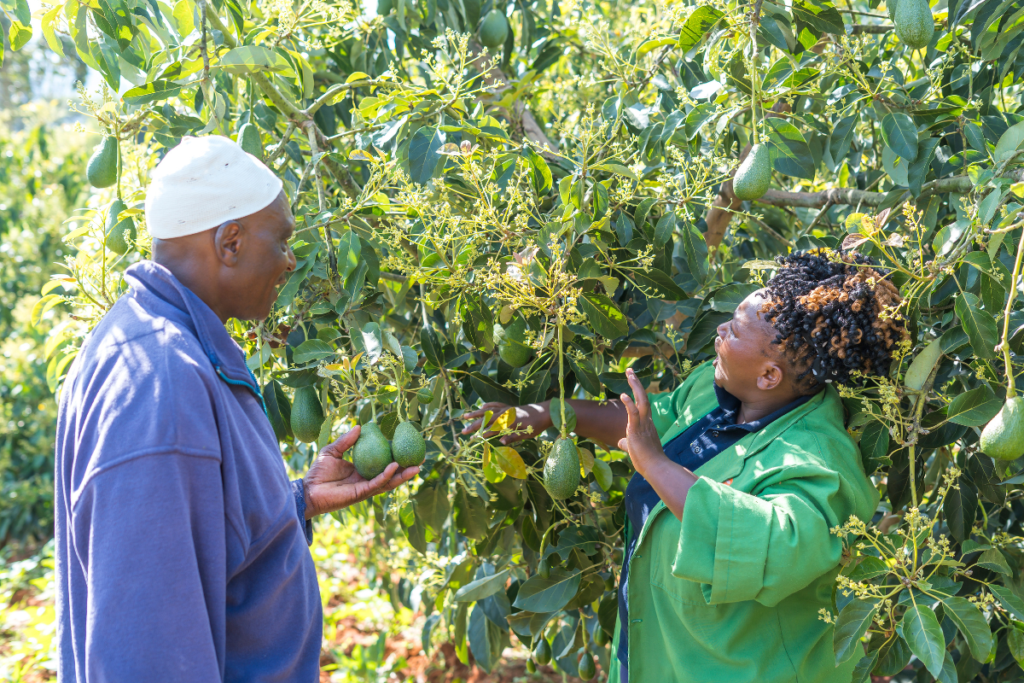
Building trusted local agricultural service providers
In 2025, PlantwisePlus trained agricultural service providers in Bangladesh, Kenya, Uganda, and Zambia. The programme built teams of local experts who support overstretched public extension systems and improve livelihoods in rural communities. The trainees gained the technical and business skills needed to deliver service bundles to farmers. These bundles included access to and advice on:
- IPM
- Quality seed
- Pest diagnosis
- Spray services
- Plant health diagnostics
- Climate-resilient farm management
The skills strengthen last-mile service delivery – the final step of getting services to the farmers who need them, especially in remote locations. As a result of training, service providers are increasingly recognized as trusted advisors within their communities. Moreover, their training has empowered them to take on leadership roles in local agricultural networks.
Scaling services through mentorship and local partnerships
Investment in service providers has created a strong multiplier and ripple effect in local communities. Through structured peer-to-peer mentorship, trained service providers have extended their expertise to more than 3,500 additional mentees and trainees. This has significantly amplified their reach beyond the direct participants. In Kenya, Uganda, and Zambia, agri-service providers supported approximately 24,000 smallholder farmers in 2025, serving an average of 193 farmers each. Farmers have adopted improved practices and accessed quality inputs. At the same time, they have reported increased productivity, stronger market engagement, and enhanced resilience to climate-related risks.
The mentorship model was adapted to fit the stage of PlantwisePlus engagement in each country. In Kenya and Uganda, implementation began three to four years ago. By 2025, the programme had reached a sustainable transition point, marking its integration into local institutions and the adoption of a planned exit strategy. Efforts focused on strengthening mentorship networks and formalizing partnerships with county governments and co-operatives. In addition, PlantwisePlus collaborated with regulators such as the Kenya Plant Health Inspectorate Service (KEPHIS).
In Zambia, the initiative focused on building sustainable cassava seed enterprises capable of delivering advisory services and disease-free planting material. This strengthened farmers’ capacity to manage cassava brown streak disease while creating viable local businesses. Fifty-three smallholder growers completed formal seed certification with the Seed Control and Certification Institute (SCCI). In December 2025, the programme formally handed over the newly established network of certified seed entrepreneurs to the Department of Agriculture for continued oversight and integration into national systems.
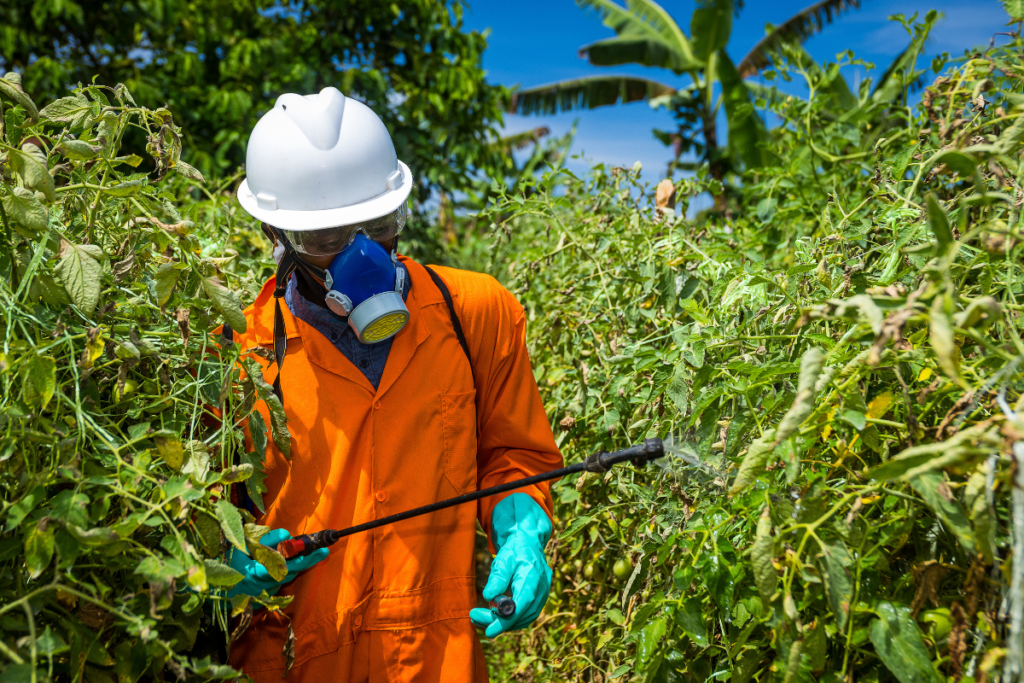
Creating lasting economic impact for farmers and service providers
Additionally, the mentorship model has delivered tangible economic benefits to service providers themselves. Across target countries, over 70% of those trained in 2024 were actively operating, meaning that at least 805 of the 1,151 trained providers were already generating income. In Kenya, a survey of 161 active providers found that they earned a combined total of US$33,138 from advisory services and input sales, equivalent to an average of US$206 per provider per month.
In Uganda, individual entrepreneurs reported one-off earnings of up to US$800 from diversified service portfolios. This income shows the potential of bundled service delivery. The model is also highly cost-effective. Establishing a viable agri-service enterprise requires less than US$200 per trainee in direct training costs to get them up and running. It delivers an estimated benefit–cost ratio of 47:1. Or, put another way, every US$1 invested in training generates approximately US$47 in economic benefits. These benefits include income for service providers and for farmers through improved practices such as IPM.
Goretti Akurut is an agriservice provider and IPM champion in Uganda. She established a successful citrus orchard management enterprise after receiving training through PlantwisePlus.
“I decided to turn my knowledge into a full-service business because I saw farmers ready to cut down their trees. I wanted to prove their orchards could be saved. I now manage five citrus farms and have subcontracted five young people to work with me. I also buy honey from farmers, repackage it, and sell it at a profit. I wanted to show that agriculture is a viable business for young people, and with the right skills, we can build livelihoods for ourselves and our community.”
Complementary evidence from a recent PlantwisePlus study shows that advisory services support stronger welfare outcomes, too. The analysis found that access to paid services was associated with income gains of up to 30% among smallholders. Moreover, it was linked to an 18% reduction in poverty compared with relying on free advice from fellow farmers who had not received training through PlantwisePlus.
Looking ahead, CABI is strengthening partnerships with organizations such as the Sustainable Agriculture Financing Facility, First Bridge Foundation, and the Zambian government to ensure sustainability and scalability beyond 2025.
Further reading
From skills to success: How young agripreneurs are strengthening farming communities
PlantwisePlus
PlantwisePlus gratefully acknowledges the financial support of the Directorate-General for International Cooperation, Netherlands (DGIS); European Commission Directorate General for International Partnerships (INTPA); UK International Development from the UK government; the Swiss Agency for Development and Cooperation (SDC); and the Australian Centre for International Agricultural Research (ACIAR).
Interested in learning more?
PlantwisePlus works with partners including governments, research institutions, local NGOs, and regional plant protection organizations to strengthen plant health systems and improve food security.
>> Discover more about our approach and how you can get involved.
Related News & Blogs
How IPM is helping Vietnam’s tomato farmers manage invasive tomato leafminer
Tomato farmers in Lam Dong Province, Vietnam, are gaining practical knowledge on managing the invasive South American tomato leafminer. The pest, Phthorimaea absoluta (formerly Tuta absoluta), can be difficult to control once established. Through integ…
14 October 2026