At An Giang University (VNU-HCM) in Vietnam, lecturers are using CABI Academy courses alongside conventional teaching methods to help students develop practical plant health knowledge and skills. More than 400 students have enrolled, using the courses to support their laboratory work, field activities and independent study.
This uptake represents a significant proportion of CABI Academy learners in Vietnam. Across the country, 632 people have enrolled in the courses, earning a total of 1,031 certificates.
Agriculture is changing rapidly. Climate change, emerging pests and diseases, and pressure to produce food more sustainably mean that future agricultural professionals need practical skills as well as theoretical knowledge. They must be able to diagnose problems, find reliable information, and make informed decisions in the field.
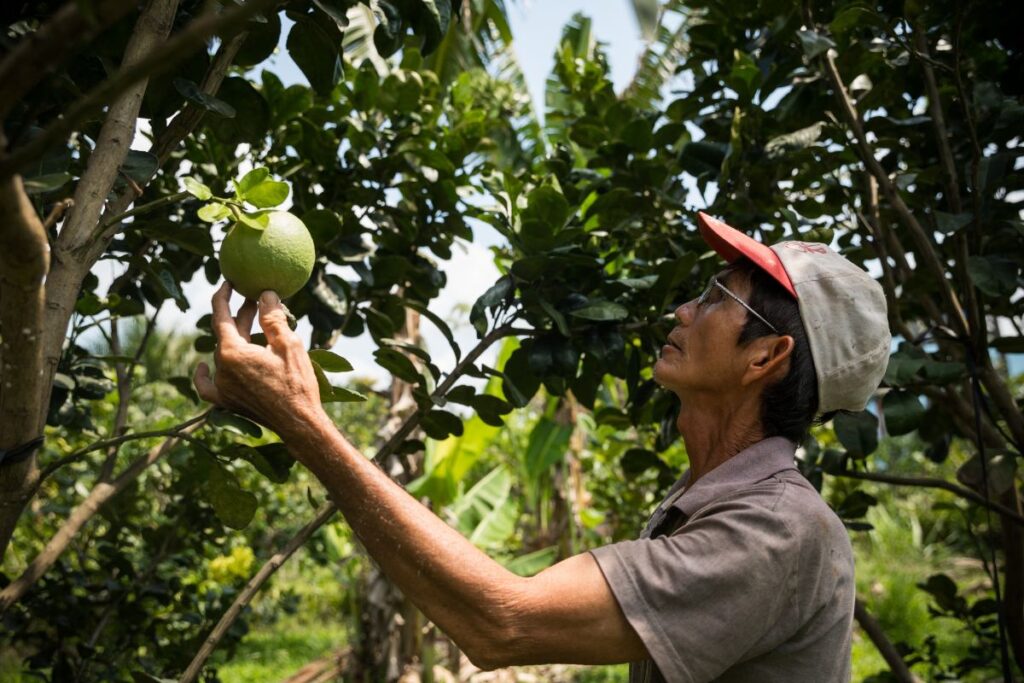
At An Giang University in Vietnam, Dr Pham Huynh Thanh Van, Vice Dean of the Faculty of Agriculture and Natural Resources and Head of the Rural Development Division, believes these abilities are essential for the next generation of plant health professionals.
For years, lecturers relied largely on traditional teaching methods, supplemented with information gathered online. “We used traditional methods for teaching and materials accessed from websites and the internet,” says Dr Van. “However, we considered that this was not always an official way of accessing knowledge.”
The issue was not a lack of information, but finding trusted, up-to-date, and practical resources that students and lecturers could use with ease and confidence.
Bringing trusted knowledge into the classroom
In 2024, CABI Academy courses were introduced to faculty members and students at An Giang University through PlantwisePlus activities in Vietnam. Following the initial engagement, PlantwisePlus provided more targeted support to help lecturers integrate the courses into their teaching.
“In May 2025, CABI Country Coordinator Dr M. Faheem conducted a Training of Trainers session with our faculty members,” Dr Van explains. “The training helped lecturers better understand the courses and develop plans for engaging students, encouraging them to enrol, complete the courses, and earn certificates.”
Lecturers have since incorporated courses and modules into their teaching, supplementing the existing curriculum with additional plant health resources.
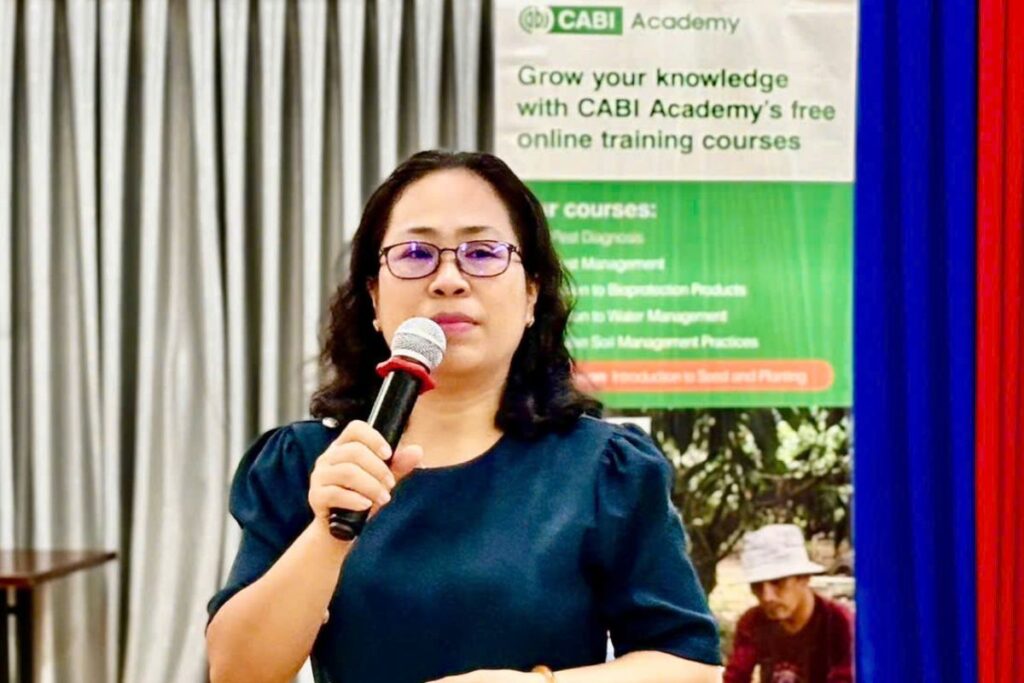
“Some CABI Academy courses are completely compatible with fields of study such as plant protection and crop science,” Dr Van explains. “Even when a course is not completely aligned, lecturers can still use parts of it to strengthen their teaching.”
The courses have also given lecturers access to more varied teaching materials. “Using CABI Academy provides us with more materials and more diverse sources of information,” says Dr Van. “The online resources are colourful, visual, interactive and engaging.”
Teaching materials now include links to CABI Academy courses, which lecturers recommend to students. More than 400 students have enrolled in online courses covering subjects including crop nutrition, nutrient deficiencies, seed and planting materials, bioprotection products, water management, crop pest diagnosis, and crop pest management.
Encouraging students to learn independently
Dr Van has also seen changes in the way students find and use information. “We have seen improvement in students’ use of online platforms and stronger self-learning habits,” she says. “They are becoming more proactive in researching information and continuously updating their professional knowledge.”
This ability to find reliable information independently is particularly useful in agriculture, where pest threats, technologies, and management approaches continue to change.
Students are also using CABI’s digital resources beyond their online study. “During practical sessions and field trips, students actively and proficiently use CABI BioProtection Portal and PlantwisePlus Factsheet Library App to independently search for solutions to address plant health issues.”
Applying knowledge in the field
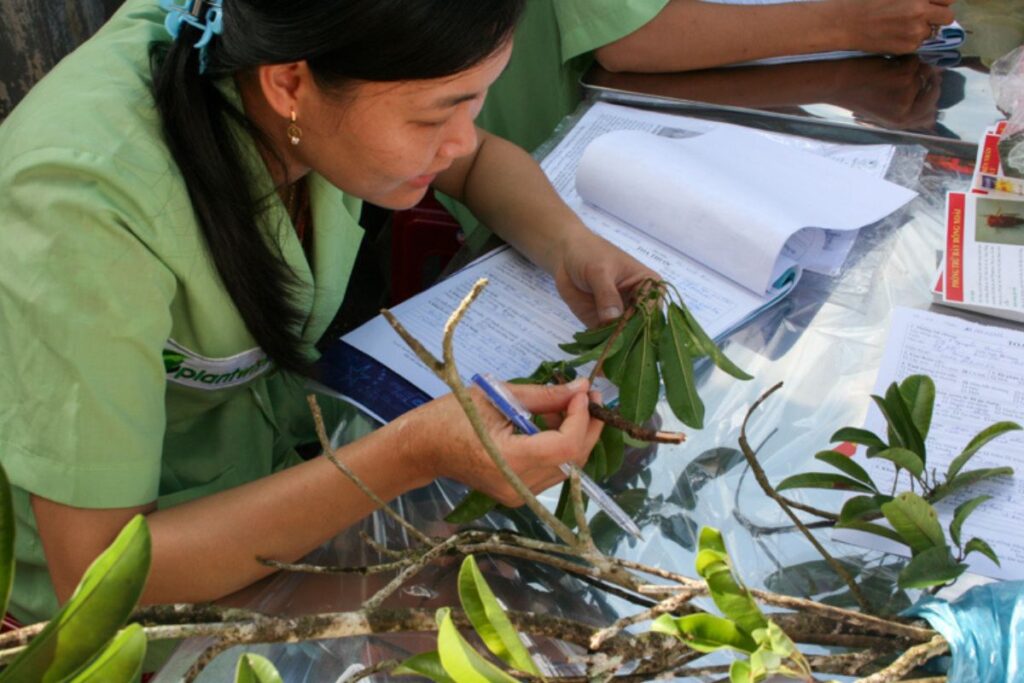
Dr Van has observed improvements in students’ ability to identify and diagnose plant health problems, particularly nutrient deficiencies, pests, and diseases, because the CABI Academy courses provide a practical, symptom-based field diagnostic approach.
“Students’ professional knowledge and practical capabilities are obviously improved,” she says. “Students are able to quickly and accurately identify plant health issues, especially symptoms of nutrient deficiencies and pest or disease agents.”
What’s more, students are strengthening their understanding of Integrated Pest Management (IPM), which combines approaches to manage pests while reducing unnecessary reliance on chemical pesticides. “They understand Integrated Pest Management, knowing how to prioritize biological solutions and biocontrol products instead of relying heavily on chemical pesticides.”
Lecturers reinforce online learning through laboratory practicals, field exercises and independent research, giving students opportunities to apply what they have learned. “The combination of online learning and practical application helps students verify and cross-check their knowledge,” Dr Van explains.
Preparing for careers in plant health
The knowledge and skills students develop at university will be important in their future careers. As researchers, lecturers, extension officers and agricultural advisers, they may one day be responsible for diagnosing crop problems, assessing possible solutions, and providing reliable recommendations. Building a strong foundation now will help prepare them to provide informed agricultural advice in the future.
As such, An Giang University plans to continue expanding participation in CABI Academy courses and encourage other faculties to use the resources.
Dr Van also encourages students to share what they learn. “I would say: ‘Knowledge is not meant to be kept to oneself, but to be shared.'” She regularly shares this message with students who complete the courses.
“I tell students that their achievements and the opportunities they have received are great. Having access to this free of charge means they have a responsibility to share that knowledge and inspire other students and their community.”
Through PlantwisePlus, CABI Academy is giving students at An Giang University access to practical resources that complement their university teaching. Alongside building their plant health knowledge, students are learning how to find reliable information, diagnose problems, and apply what they learn. These abilities will be important as they move into careers in agriculture and plant health.
Further reading
PlantwisePlus: Growing knowledge, skills and resilience across Vietnam
CABI Academy helps strengthen plant health capacity building through digital learning in India
PlantwisePlus
PlantwisePlus gratefully acknowledges the financial support of the Directorate-General for International Cooperation, Netherlands (DGIS); European Commission Directorate General for International Partnerships (INTPA); UK International Development from the UK government; the Swiss Agency for Development and Cooperation (SDC); and the Australian Centre for International Agricultural Research (ACIAR).
Interested in learning more?
PlantwisePlus works with partners including governments, research institutions, local NGOs, and regional plant protection organizations to strengthen plant health systems and improve food security.
>> Discover more about our approach and how you can get involved.
Related News & Blogs
How IPM is helping Vietnam’s tomato farmers manage invasive tomato leafminer
Tomato farmers in Lam Dong Province, Vietnam, are gaining practical knowledge on managing the invasive South American tomato leafminer. The pest, Phthorimaea absoluta (formerly Tuta absoluta), can be difficult to control once established. Through integ…
14 October 2026