For many farmers, pesticides still play an important role in protecting their crops from pests and diseases and reducing losses. However, their misuse can pose serious risks to human health, the environment, and biodiversity.
Reducing pesticide risks is more than just telling farmers about the risks. Farmers also need access to reliable advice, safer alternatives, and practical tools that help them make informed pest management decisions.
In Thailand, PlantwisePlus is working with government, research, academic, private-sector and community partners to provide this support. By bringing together diverse expertise and networks, these partnerships help promote integrated pest management (IPM), increase awareness of and access to biological approaches, and support responsible pesticide use.
PlantwisePlus has directly reached 78,908 farmers in Thailand through activities implemented with six private- and public-sector partners. Its established networks and services, including plant clinics, also provide channels for complementary CABI projects to share knowledge and reach farmers and other agricultural stakeholders.
Working together for pesticide risk reduction in Thailand
This collaborative approach can be seen in PlantwisePlus’s work with the Thai Agricultural Innovation Trade Association (TAITA). This partnership is helping to strengthen agricultural safety by promoting safer plant health management practices.
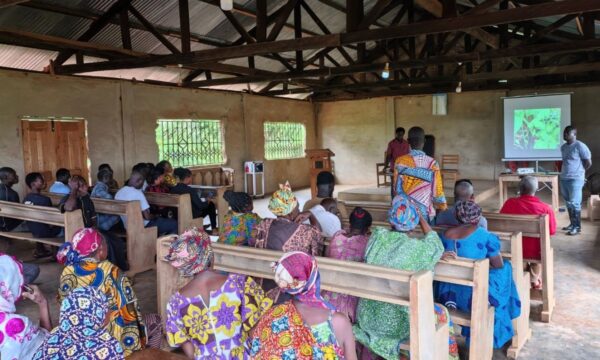
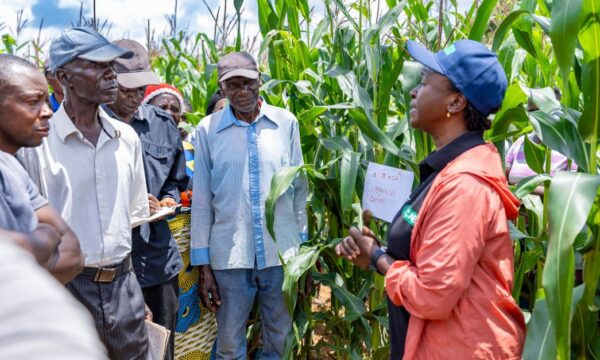
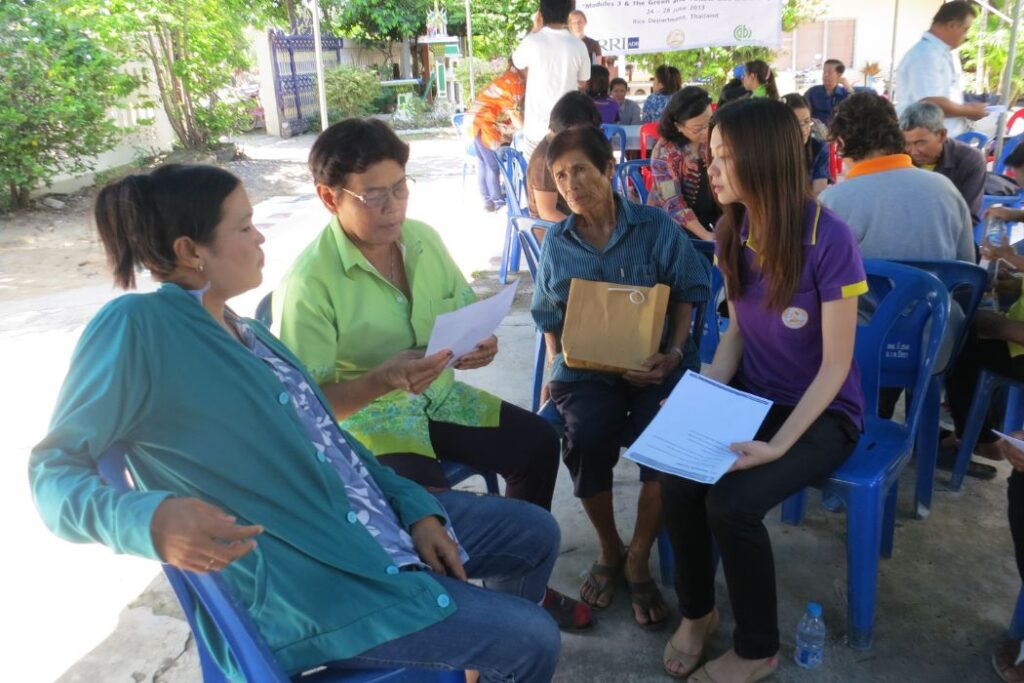
Last year, CABI and TAITA brought together 29 lead farmers and agricultural and health volunteers for a three-day participatory training workshop. The activity also drew on expertise from Thailand’s Department of Agriculture and Mahidol University.
Village agricultural and health volunteers play a key role in transferring knowledge within their communities. The training strengthened their knowledge and understanding of agricultural safety, pesticide risk reduction, and biological control.
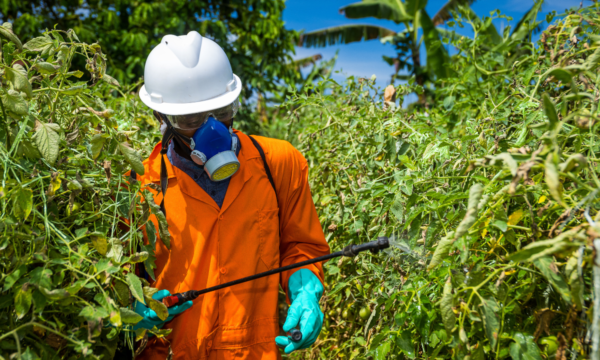
Practical sessions covered the correct handling of agrochemicals, application techniques for sprayers and drones, and ways to reduce exposure to hazardous chemicals. Participants assessed risks, developed action plans, and discussed how safer practices could be shared within their communities.
Participants also explored the One Health approach, which considers the links between plant, animal, human, and environmental health. They explored how this approach can help address interlinked challenges in agriculture, such as pesticide hazards and residues, antimicrobial resistance, and mycotoxins. By looking at these issues together, participants could assess crop protection decisions not only in terms of productivity but also in terms of their potential effects on people and the environment.
Building capacity for the next generation of plant health professionals
Partnerships with universities are also helping to build longer-term capacity by bringing PlantwisePlus knowledge and resources into agricultural education in Thailand.
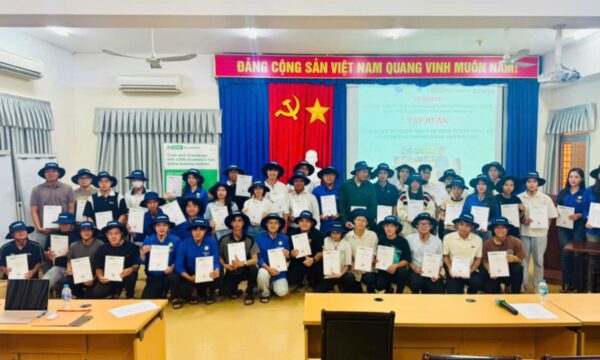
PlantwisePlus has introduced CABI Academy courses and digital tools at Chiang Mai University and Kasetsart University’s Kamphaeng Saen campus. The programme is working with plant protection departments to provide training for faculty members and undergraduate and master’s students.
Through the CABI Academy, students can build practical knowledge in areas such as pest diagnosis, IPM, and sustainable approaches to crop protection. This is helping prepare future plant health professionals with the skills they need to provide effective, evidence-based advice.
CABI is also exploring opportunities to extend this approach to other universities in Thailand, helping integrate PlantwisePlus resources into agricultural education and reach the next generation of agricultural professionals.
Increasing access to biological approaches
Reducing pesticide risks is not only about providing information on how to use pesticides more safely. Farmers also need better access to alternatives such as biological control options.
Thailand has an extensive plant health advisory network, with 1,040 plant clinics operating across the country. In addition to diagnosing crop problems, agricultural advisors at plant clinics provide information on sustainable pest management practices, including the use of biological control options.
A key partner in this network is Thailand’s Department of Agricultural Extension (DOAE), which has taken primary ownership of the plant clinic approach and integrated it into its regular extension services. Plant clinic activities form part of the routine responsibilities of DOAE staff, with national funding allocated to support clinics run by trained plant doctors.
DOAE has also expanded plant doctor training to provincial and district-level extension staff, building on training of trainers provided through Plantwise. Dedicated plant clinic spaces now operate within DOAE offices at regional, provincial and district levels, alongside field-based clinics that bring diagnostic and advisory services closer to farming communities.
Linking biopesticide production with farmer advice
This established network can also provide a channel for complementary CABI projects working towards similar pesticide risk reduction goals. Through a separate project funded by the Croda Foundation, CABI is working with the DOAE to strengthen institutional capacity for biopesticide production.
While the Croda-funded project is supporting the production of biopesticides, the PlantwisePlus plant clinic network provides an established channel for promoting IPM and biological control options to farmers.
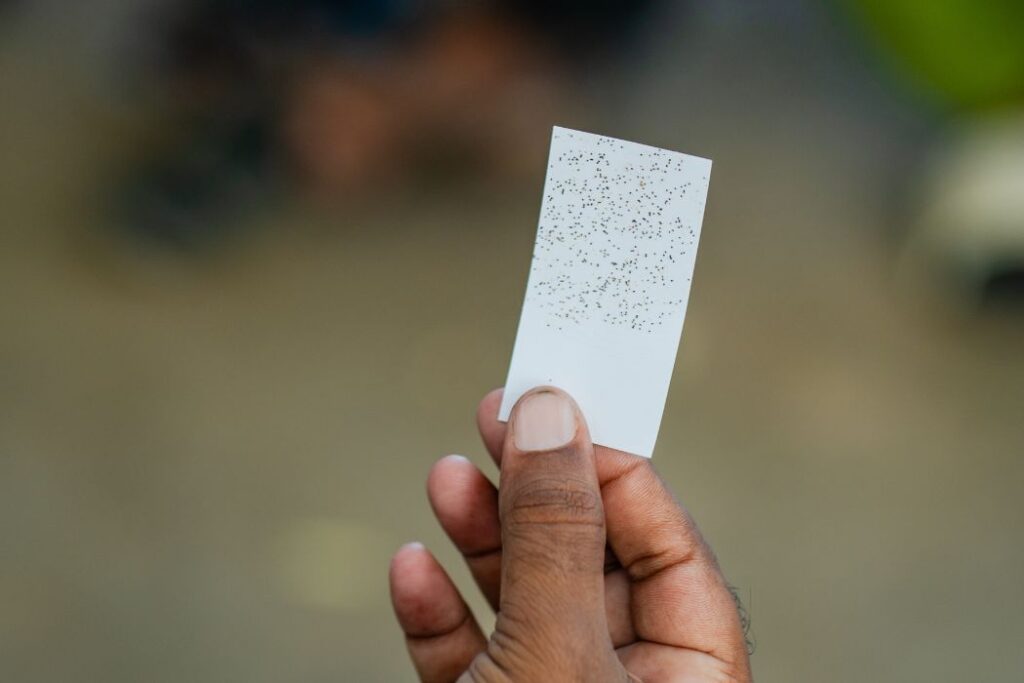
The CABI BioProtection Portal, a digital tool promoted through PlantwisePlus, provides further support by helping agricultural advisers and farmers identify registered biological control and biopesticide products for specific crop and pest problems.
Together, these activities support different stages in the pathway towards greater use of biological crop protection, from strengthening local capacity to produce biopesticides to helping farmers access information and advice on using biological approaches as part of IPM.
Extending the reach of digital tools
Alongside face-to-face advisory services, digital tools are another way PlantwisePlus and its partners can extend access to practical pest management information. Across Thailand, 33,355 people are already using PlantwisePlus digital tools and learning products.
Digital tools were also an important part of the training with TAITA. Volunteers learnt about the PlantwisePlus Factsheets app and Crop Sprayer app.
Together, the tools support different aspects of pest management. The PlantwisePlus Factsheets app provides evidence-based information on crop pests and their management. The CABI BioProtection Portal helps users identify registered biological products. Where a plant protection product is needed, the Crop Sprayer helps calculate the correct amount of product and water required.
Volunteers practised installation, navigation, and practical use of the tools for pest management. Dr Dao Thi Hang from CABI explained that, with most Thai farmers using smartphones, these tools allow volunteers to provide evidence-based advice directly to communities.
Long-term pesticide risk reduction in Thailand
Reducing pesticide risks cannot be achieved by any single organization or intervention. The work in Thailand shows how partnerships can bring together expertise, established networks and practical solutions to support change at different levels.
These partnerships are building skills and knowledge among community volunteers and future agricultural professionals, while strengthening the advisory networks that support farmers. They are also increasing access to biological approaches and practical decision-support tools, so that farmers are better able to make informed crop protection decisions.
Interested in learning more about PlantwisePlus?
PlantwisePlus works with partners including governments, research institutions, local NGOs, and regional plant protection organizations to strengthen plant health systems and improve food security.
>> Discover more about our approach and how we’re delivering sustainable impact.
Further reading
PlantwisePlus
PlantwisePlus gratefully acknowledges the financial support of the Directorate-General for International Cooperation, Netherlands (DGIS); European Commission Directorate General for International Partnerships (INTPA); UK International Development from the UK government; the Swiss Agency for Development and Cooperation (SDC); and the Australian Centre for International Agricultural Research (ACIAR).
Related News & Blogs
How IPM is helping Vietnam’s tomato farmers manage invasive tomato leafminer
Tomato farmers in Lam Dong Province, Vietnam, are gaining practical knowledge on managing the invasive South American tomato leafminer. The pest, Phthorimaea absoluta (formerly Tuta absoluta), can be difficult to control once established. Through integ…
14 October 2026