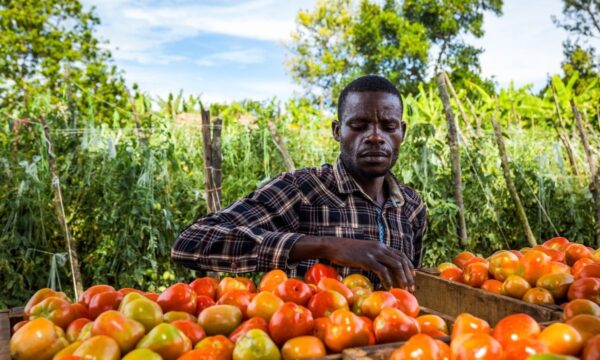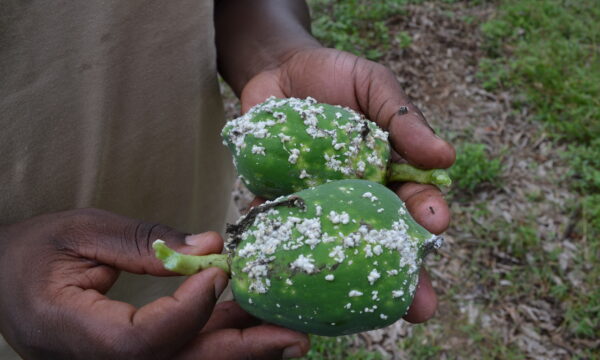
The confirmation of mango mealybug in neighboring countries has raised concern for Kenya’s agricultural sector. Although the invasive pest has not been detected in Kenya, the risk of its introduction remains high due to the cross-border movement of plant materials. If established, mango mealybug could affect mango production and trade, making prevention and early detection critical.
Preventing invasive pests from becoming established is far more effective than managing widespread outbreaks. Through PlantwisePlus, CABI works with national partners to strengthen countries’ capacity to prevent, detect and respond to plant health threats before they spread and affect livelihoods.
In Kenya, the approach focused on strengthening awareness, surveillance and reporting of mango mealybug in vulnerable mango-growing areas. A targeted communication campaign combined practical visual materials with community outreach to help farmers and extension services recognize and report suspected cases.
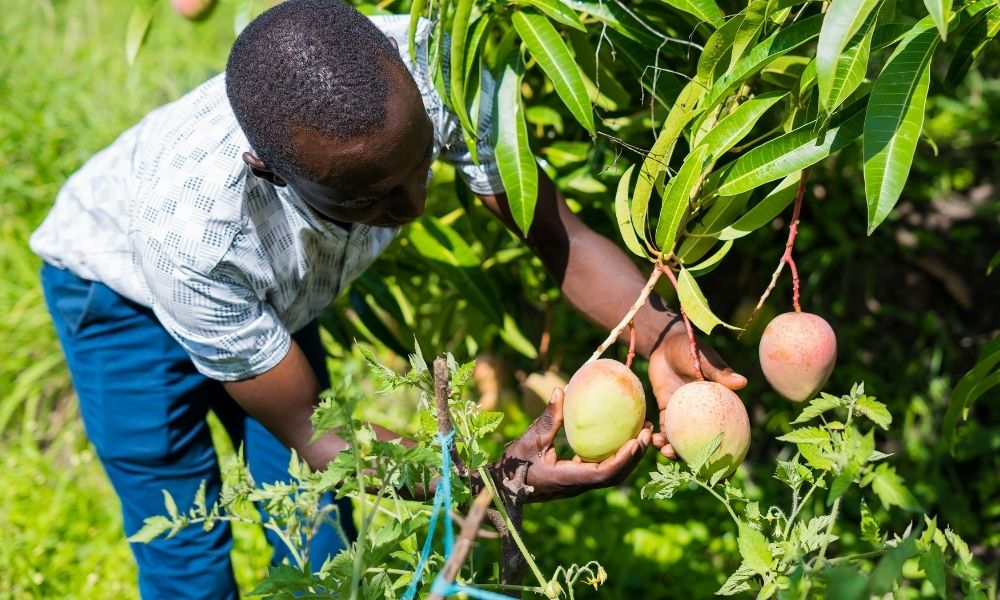
Community outreach supports early detection
To support this effort, CABI, National Museums of Kenya (NMK), Kenya Agricultural & Livestock Research Organisation (KALRO), and Kenya Plant Health Inspectorate Service (KEPHIS) came together to develop key pest prevention messages and visuals. The materials targeted lead farmers, nursery operators, extension staff, and community members. They included large display posters, illustrated flyers, and photosheets showing pest symptoms and identification features.
In addition, national and private-sector partners led community outreach activities. These activities improved knowledge of the identification and risks associated with mango mealybug. They also helped distinguish it from similar pests. By increasing awareness and encouraging reporting, the campaign sought to strengthen early detection and reduce the risk of pest spread through trade and the movement of planting material.
In Busia, lead farmers trained by extension staff led targeted interventions to educate farmers and nursery operators, whilst KEPHIS officers reached transporters and community members. Private advisory providers from KEITT Exporters and Makueni County Fruit Processors Cooperative in Makueni County ran farmer outreach activities, supported by extension staff.
Greater awareness leads to increased vigilance
Lead farmers and private advisory providers became central to the awareness campaign. They engaged farmers through multiple approaches, including farmer group meetings, individual farm visits, church gatherings, chief’s barazas, and nursery visits.
The campaign sparked strong interest among farmers. Some, who believed they had spotted mango mealybug, invited lead farmers to examine their trees and seedlings more closely. Follow-up inspections did not confirm the presence of mango mealybug; most suspected cases involved other mealybug species or scale insects.
Although no mango mealybug was confirmed, the response demonstrated an important outcome of the campaign. Farmers were actively applying what they had learned by seeking advice and reporting suspected cases, highlighting increased vigilance while reinforcing the need for continued training and accurate diagnosis. Some farmers also requested materials in local languages and additional printed copies to support future outreach efforts.
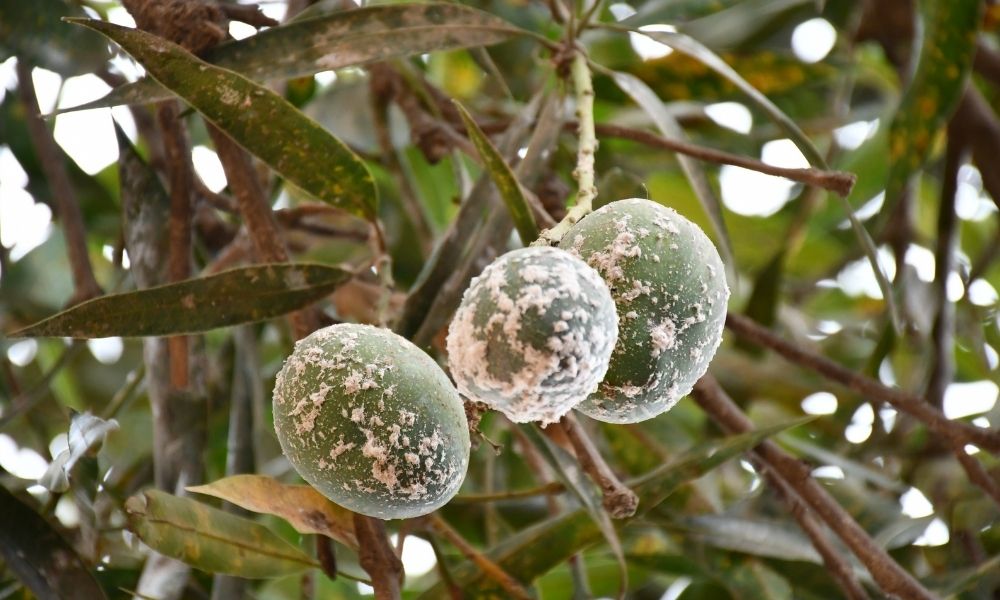
Visual materials help farmers identify mango mealybug
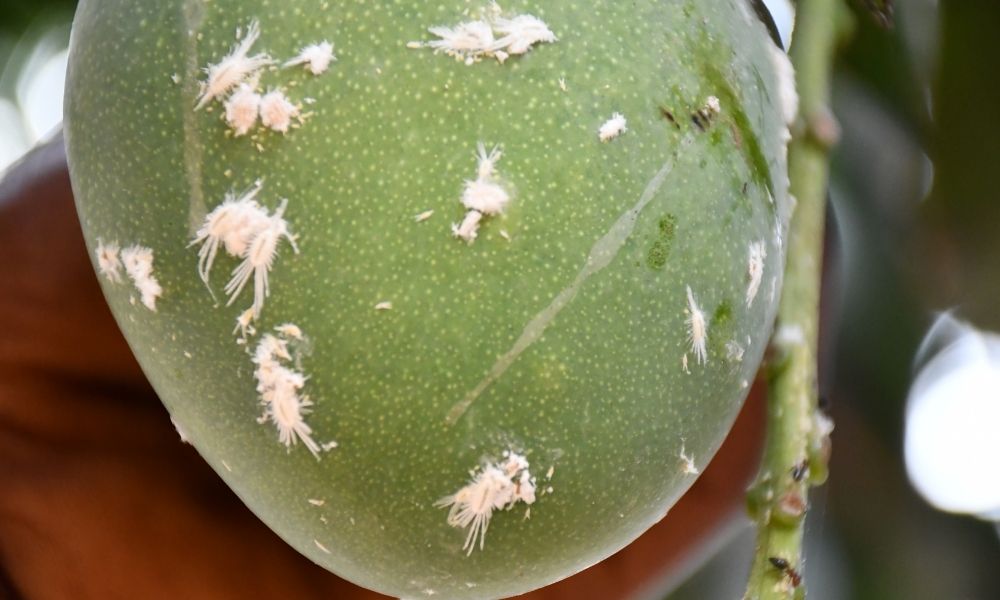
Feedback from farmers and extension staff indicated that the visual extension materials were highly effective in raising awareness. Overall, farmers and stakeholders appreciated the simplicity and clarity of the information, noting that the visual aids supported practical farm-level decision-making. In particular, they gave farmers greater confidence in identifying mango mealybug and distinguishing it from similar pests. The findings demonstrate the importance of combining clear messaging with strong visuals when communicating agricultural risks to farming communities.
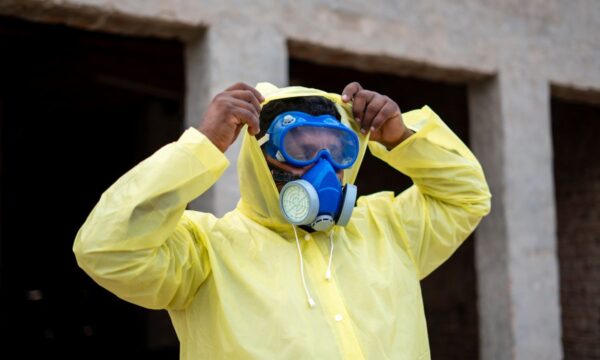
The campaign reinforced the importance of ensuring farmers know both how to report suspected mango mealybug and how to respond appropriately. While some respondents said they would contact County Extension Officers or KEPHIS, others would apply pesticides first. In response, extension teams emphasized integrated pest management (IPM) and discouraged pesticide use as the initial response to a suspected invasive pest.
The campaign also demonstrated that effective surveillance depends as much on trusted reporting pathways as on accurate pest identification. Although the flyers provided KEPHIS contact details, participants agreed that farmers are more likely to report issues through local agricultural structures first. Strengthening local reporting pathways will improve coordinated surveillance and support timely responses if mango mealybug is detected.
Building long-term preparedness against invasive pests
The awareness campaign showed that farmers are eager to learn and willing to participate in pest prevention efforts when they receive the right information and support. At the same time, the experience underscored the importance of sustained sensitization, stronger extension systems, and practical training for farmers.
While mango mealybug was not detected during the campaign, the increased awareness, improved confidence in identifying the pest, and strengthened reporting networks are important steps towards reducing the risk of its establishment in Kenya. What is more, it generated valuable lessons that can inform efforts to strengthen early detection and protect farmers’ livelihoods elsewhere.
Further reading
Factsheet for farmers: Mango mealybug
PlantwisePlus
PlantwisePlus gratefully acknowledges the financial support of the Directorate-General for International Cooperation, Netherlands (DGIS); European Commission Directorate General for International Partnerships (INTPA); UK International Development from the UK government; and the Swiss Agency for Development and Cooperation (SDC).
Interested in learning more?
PlantwisePlus works with partners including governments, research institutions, local NGOs, and regional plant protection organizations to strengthen plant health systems and improve food security.
>> Discover more about our approach and how you can get involved.
Related News & Blogs
How partnerships are supporting pesticide risk reduction in Thailand
For many farmers, pesticides still play an important role in protecting their crops from pests and diseases and reducing losses. However, their misuse can pose serious risks to human health, the environment, and biodiversity. …
4 September 2026