
Threats to Coffee Production: What are they and the solutions?
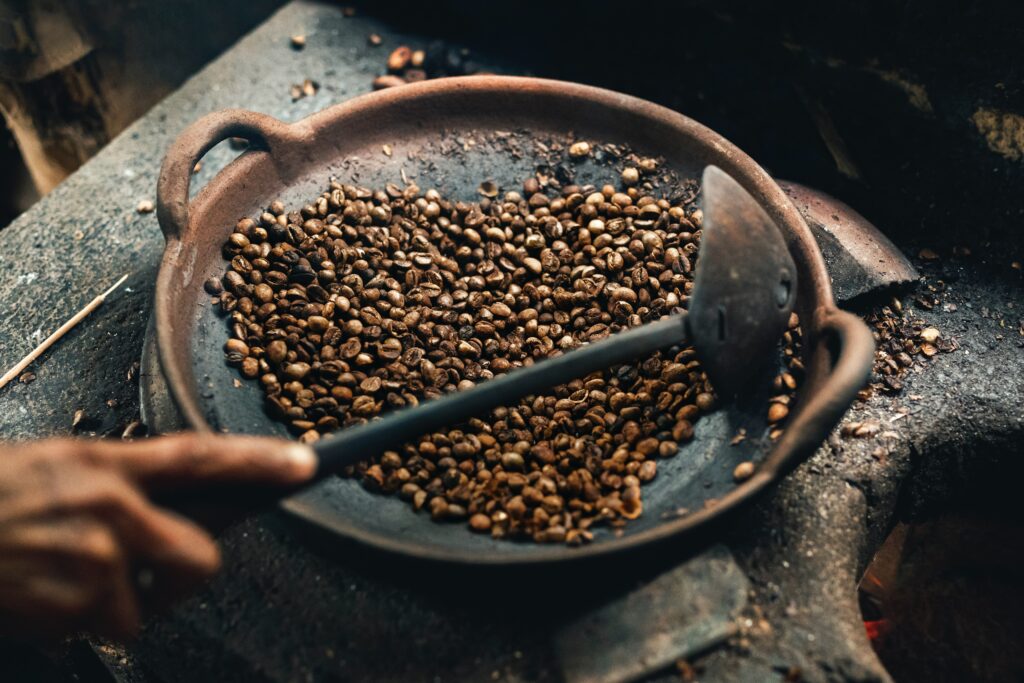
The global coffee industry cultivates over $100 billion in revenue with the world’s population consuming over 500 billion cups per year. Yet with this huge global industry, the coffee we drink today is extremely vulnerable. Out of the 124 species of coffee plants found throughout the world, only two are used to produce commercial coffee,…
Maize Lethal Necrosis Disease – the invasive threatening maize
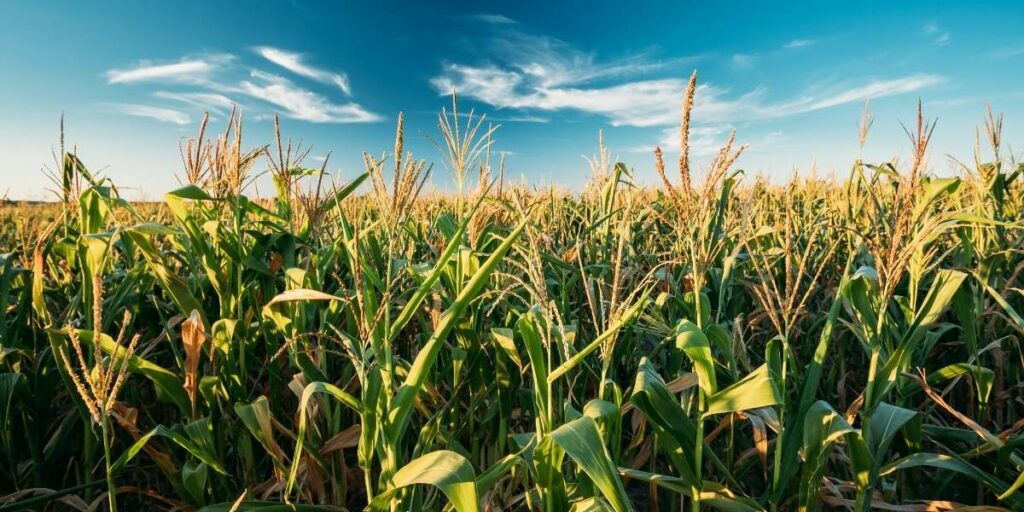
Maize lethal necrosis disease (MLND) was first identified in Peru in 1973. Since then, the disease has spread rapidly to other parts of Latin America and the USA. In Africa, the disease was first reported in Kenya in 2011. By 2014, it had spread to other countries in East Africa including Tanzania, Rwanda, South Sudan,…
Benefits of Pest Risk Information Service highlighted at CODATA Virtual SciDataCon
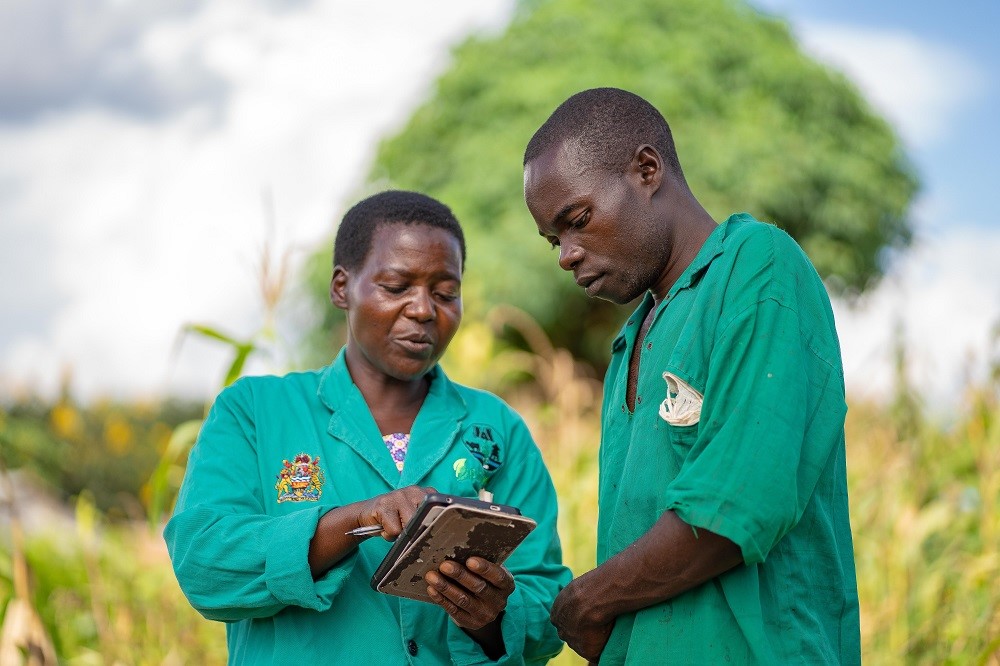
The benefits of the CABI-led Pest Risk Information Service (PRISE) in helping smallholder farmers mitigate crop pests outbreaks, thereby boosting their yields and livelihoods, have been highlighted at the CODATA Virtual SciDataCon 2021.
Plantwise Knowledge Bank Country Resources – What’s available?

The Plantwise Knowledge Bank (PWKB) is a free online resource that gathers plant health information from across the world. Over 15,000 pieces of content, which include, pest management decision guide’s (PMDG), factsheets for farmers (PFFF), species pages, photo sheets, manuals and video factsheets in over 100 languages.
Successful PRISE-FRT radio campaign promotes IPM to farmers in Malawi

The PRISE project has carried out a successful radio and SMS campaign targeting maize, tomato and bean smallholder farmers in Malawi. In collaboration with Farm Radio Trust (FRT) the campaign was developed in late 2020 to disseminate the PRISE pest alert forecasts to rural farmers in Mchinji and Balaka districts and promote the uptake of…
What’s on the horizon?
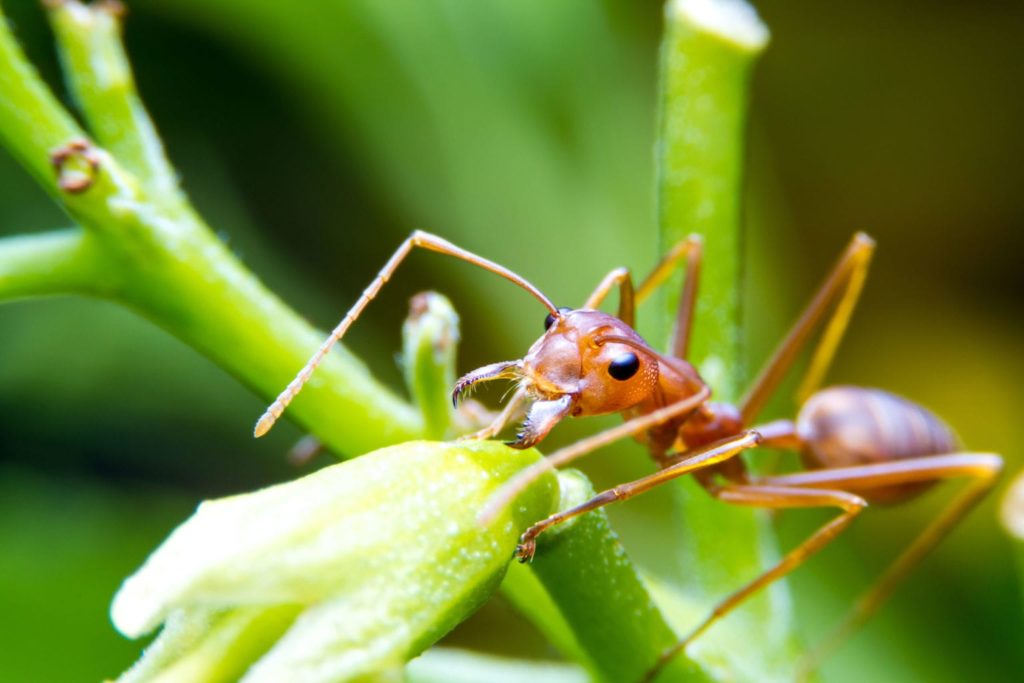
Pests do not recognise borders. With the increased movement of people and goods, comes the increased risk of pests moving from one geographic area to another. For this reason, it is important to identify and categorize species that are likely to enter a particular geographic area from another geographic area. CABI’s Horizon Scanning Tool (HST)…
Anonymisation: Protecting User Rights and Security

With the ever-increasing shift of focus to data-driven practices, the legal obligations around sharing data are a common barrier. Data protection is an important aspect of data security, with the rights of the users within a dataset needing to be maintained and protected. By following the appropriate data protection principles, the risk of harm to…
Update: New Pest & Disease Records (6 October 2021)
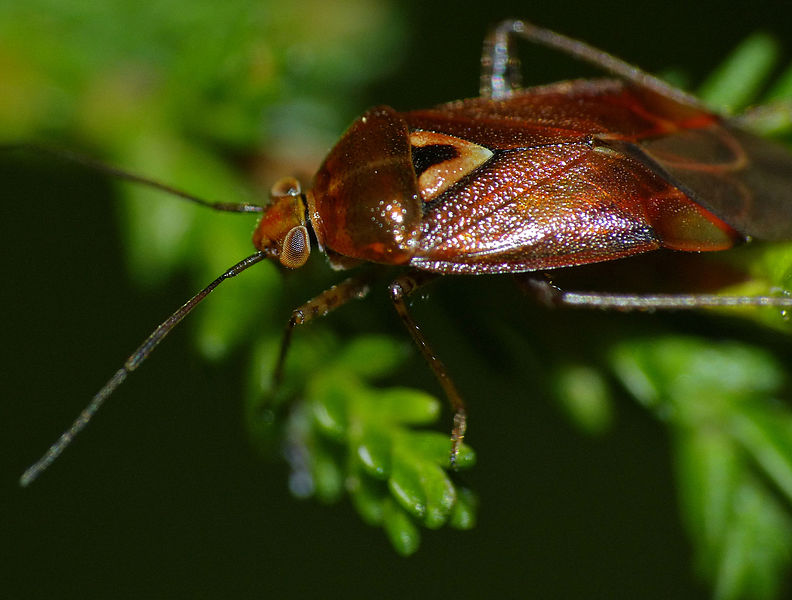
We’ve selected a few of the latest new geographic, host and species records for plant pests and diseases from CAB Abstracts. Records this month include a new species of Trionymus from Mexico and the first report of mirid bugs as a threat to bottle gourd in India.
Benefit from free access to Crop Pest Management Course
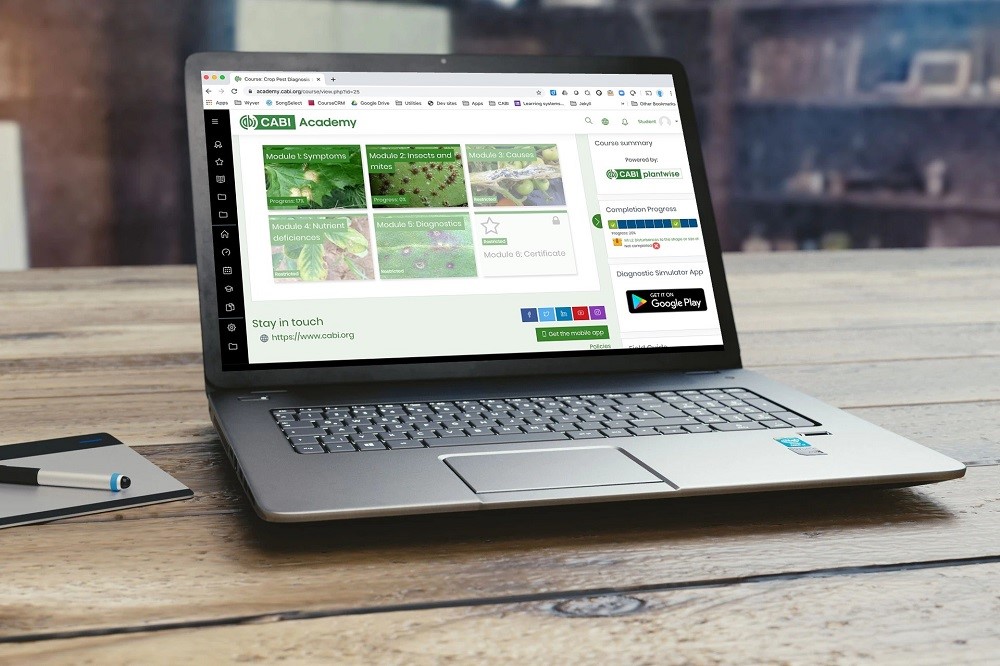
Pests and diseases are among greatest challenges to food security. Around 40% of crops worldwide are lost to pests – putting the livelihoods of millions of smallholder farmers and global food security at risk. CABI is helping to mitigate these challenges through strengthening expertise of agricultural workforce in plant health and Integrated Pest Management (IPM)…
Plant doctors help in fight against crop threats in Jammu, India
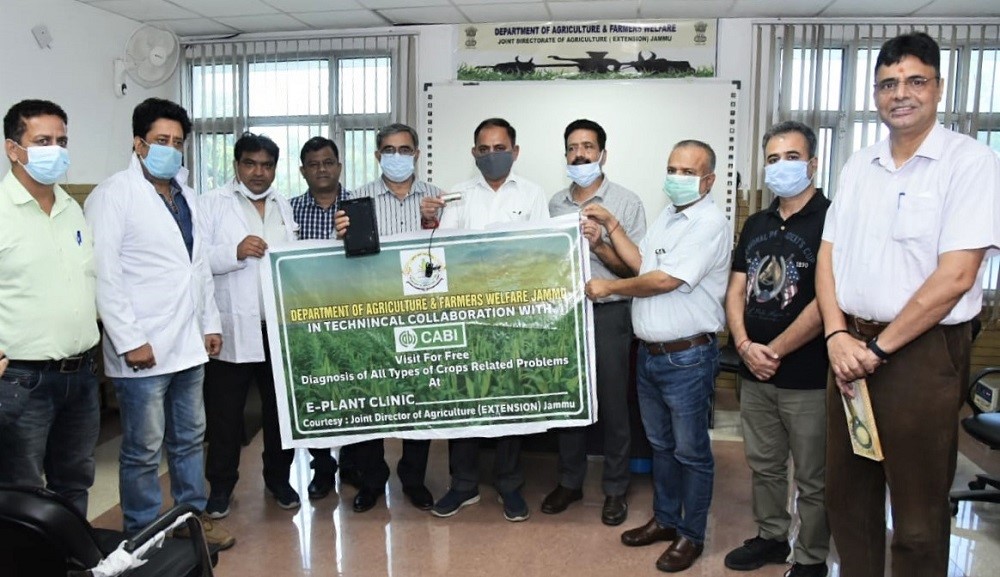
The role Plantwise plant doctors play in helping smallholder farmers mitigate crop losses due to pests and diseases has been lauded by K.K. Sharma – the Director of Agricultural Production & Welfare Department in Jammu, India.