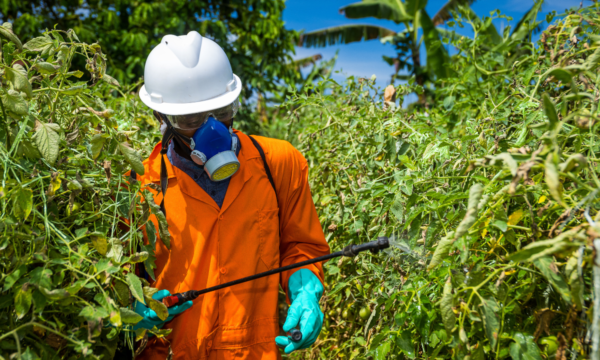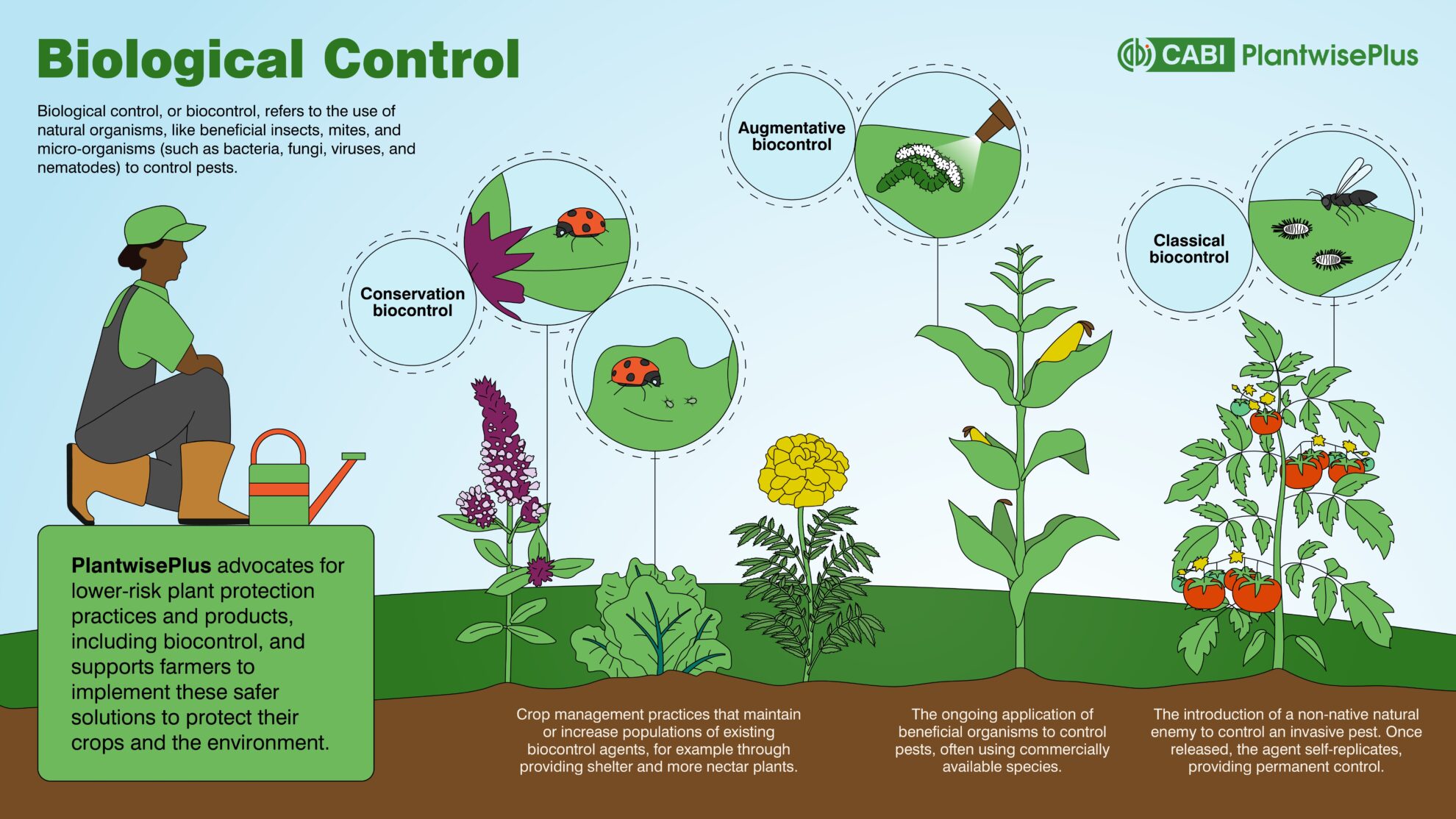
Pest outbreaks in Bangladesh are causing a rapid increase in the sale of pesticides. Farmers are turning to chemical products such as fungicides, herbicides and insecticides to manage pests, which they often buy from their local agro-input dealer. However, these chemicals can harm the environment and human health.
In Bangladesh, pesticide risks are significant due to their extensive agricultural use and a lack of need-based regulation. Currently, a total of 6,410 trade products with 363 active ingredients are registered for use in agriculture. However, pesticide poisoning is common, accounting for almost 40% of total poisoning cases admitted to different levels of hospitals in Bangladesh. Moreover, improper disposal leads to challenges, including environmental contamination that affects soil, water and wildlife.
What role do agro-input dealers play in Bangladesh’s plant health system?
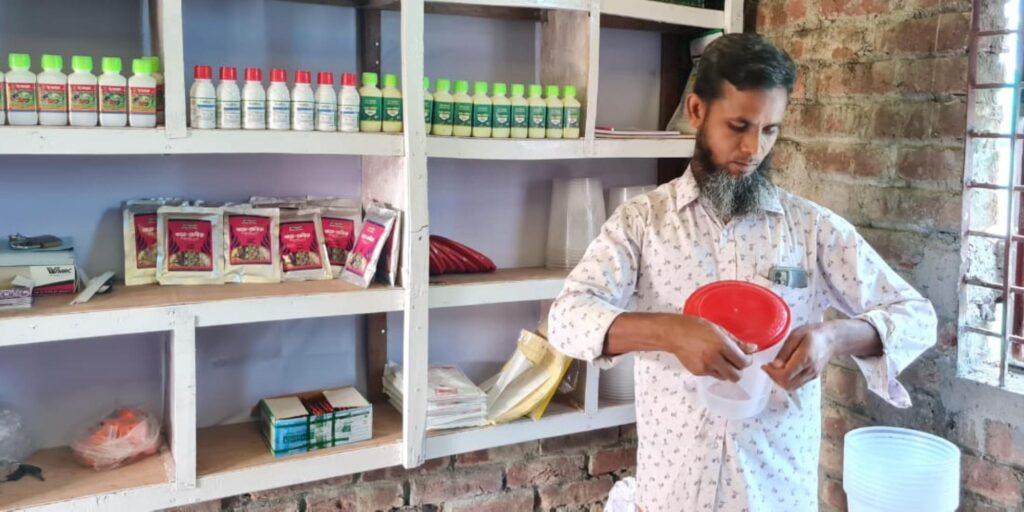
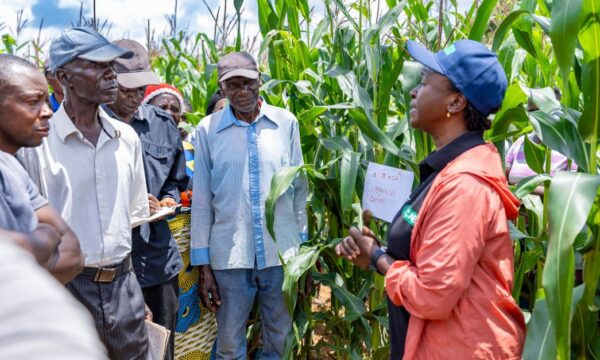
Agro-input dealers have the potential to play a central role in pesticide risk reduction. In Bangladesh, they are a key source of information for farmers about pesticides and pest management. That said, many lack the technical knowledge and skills to do so effectively. They require more knowledge around, for example, pesticide toxicity and safe handling practices.
Many countries have minimum education and training requirements for agro-input dealers. However, this is not the case in Bangladesh. Among the almost 100,000 registered agro-input dealers in the country, literacy is low. This has implications for knowledge transfer to farmers.
Nearly 80% of farmers rely on agro-input dealers’ recommendations when choosing pesticides. But some worrying trends are emerging. Mixing different groups of pesticides is gaining popularity, and many farmers routinely use stronger doses than recommended on the label. These ineffective shortcuts can damage ecosystems and put people at risk.
PlantwisePlus: Supporting Bangladesh’s new agro-dealer certification
In early 2023, PlantwisePlus approached key government stakeholders to propose the agro-input dealer training initiative. Together, they are working to develop training for agro-input dealers. The training component forms part of the government’s certification and registration scheme. It helps agro-dealers upskill in pesticide risk reduction and non-chemical pest control.
The programme wanted to explore the possibility of developing a mandatory training component for the certification and registration of agro-input dealers. Discussions were initiated with Bangladesh’s Ministry of Agriculture (MoA). This includes the Department of Agricultural Extension
(DAE) and the Plant Protection Wing of the Department of Agriculture (PPW). The Bangladesh Crop Protection Association (BCPA) also joined. An initial meeting was held in March 2023, followed by a workshop in June.
Reviewing developments in agro-input dealer regulation
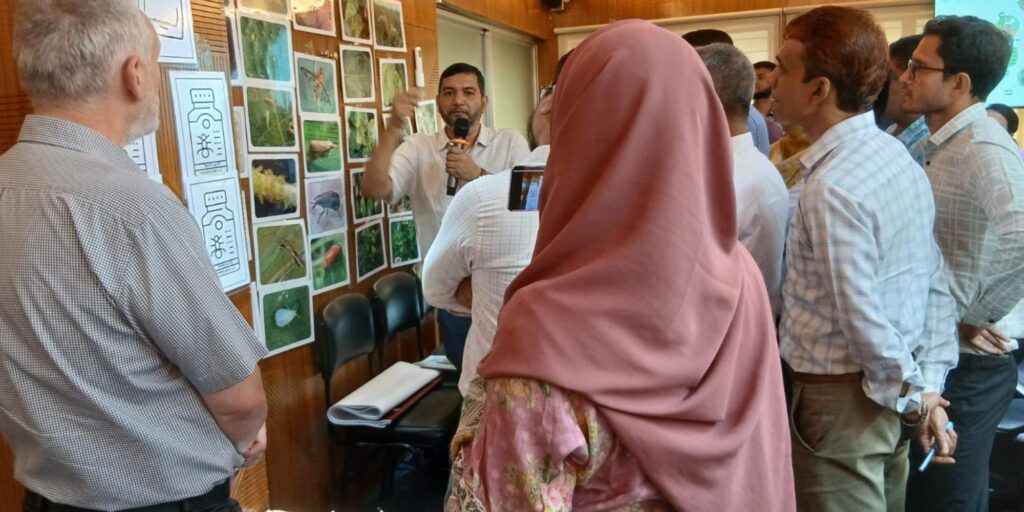
In June, a workshop brought together key stakeholders to shape the mandatory training scheme for agro-input dealers. Kbd. Badal Chandra Biswas, the Director of PPW, chaired the event, while Mr Rabindra Sri Barua, Additional Secretary to the MoA, attended as the chief guest. The MoA expressed strong interest in the proposed training, which, they felt, came at an opportune moment, coinciding with the update to Bangladesh’s plant protection regulatory framework.
During the workshop, CABI provided an overview of PlantwisePlus and its work with agro-input dealers. Speakers highlighted the global need to raise awareness about the use of lower-risk plant protection products such as biologicals, options that are safer for farmers and the environment.
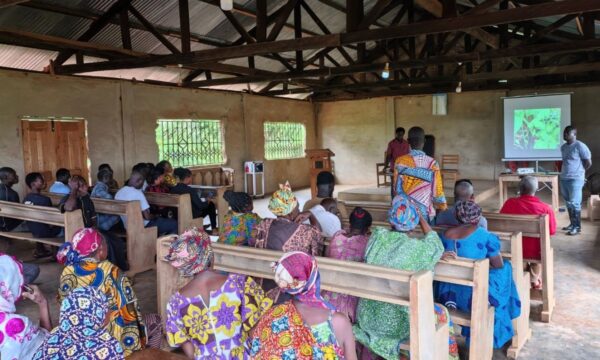
Break-out groups tackled practical questions about training content and delivery. Participants discussed the option of including bioprotection topics like biocontrol and biopesticides, which aren’t typically included in agro-input dealer training. They also emphasized pesticide handling and safety, including personal protective equipment (PPE) and safety protocols. When agro-input dealers understand these practices, they can better guide farmers toward safer, more effective pest management.
Overcoming literacy challenges for agro-input dealers in Bangladesh
The revision of the current Plant Protection Rule presents an opportunity to revisit the requirements for agro-input dealer certification. This includes a new mandatory educational requirement and obligatory participation in a training course.
The new regulation will state that agro-input dealers must complete secondary education and have basic literacy and numeracy skills. For those agro-input dealers who may be illiterate or semi-literate, a new system will be devised to enable them to receive training, regardless of their literacy level. The new system will be gradually phased in to enable remedial training. The long-term aim of the new regulation is to license only those of a certain educational standard.
Training materials continue to be developed. A local working group has been formed to collect information for the training, including the curriculum, manual, and materials. PlantwisePlus has played a crucial role in facilitating this work.
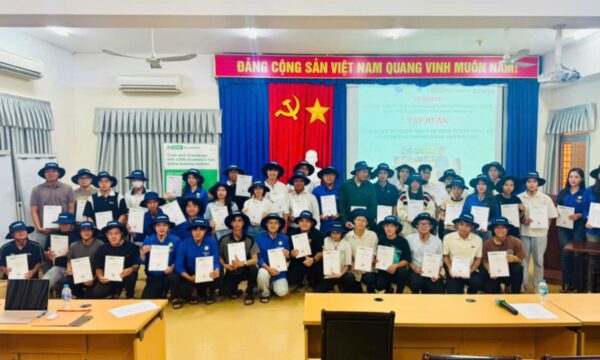
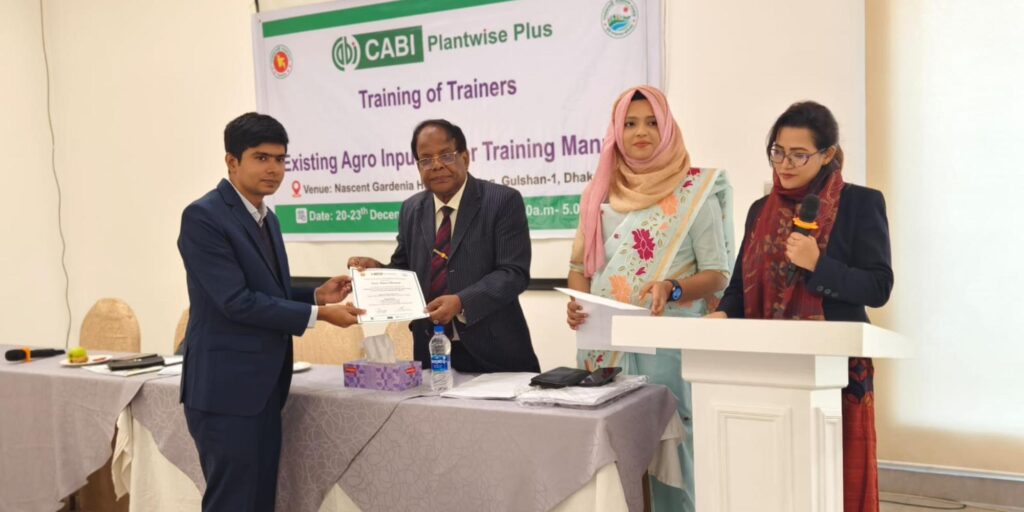
PlantwisePlus has finalized training toolkits for existing and prospective agro-input dealers. With support from CABI, the partner organization trainedof two batches of Master Trainers who will in turn train the input dealers. The team now awaits the regulation coming into force. Once approved, pilot training sessions will begin with new and existing agro-input dealers. After the pilot phase, the programme will officially handover the training toolkits.
What’s next?
CABI’s support for the development of a mandatory licensing scheme has already achieved a major milestone: it’s now included as a clause in Bangladesh’s new pesticide regulation. This represents a significant step forward in enhancing pesticide management nationwide. CABI’s local team maintains close contact with the Chairperson of the pesticide regulation committee and has joined two key meetings to advance the initiative.
Bangladesh will soon adopt and publish its new pesticide regulation. Once approved, authorities will set a date by which new agro-dealers must pass certification and registration standards under the scheme currently in development.
This work will deliver real benefits to farmers and their communities. Well-trained agro-input dealers can guide farmers toward safer pest management practices and lower-risk alternatives like bioprotection products. They’ll better understand the regulatory environment, applying the right products and the right doses.
PlantwisePlus equips agro-input dealers with carefully curated knowledge resources, including training materials on biocontrol and biopesticides. Equipped with this knowledge, agro-dealers become trusted advisors who help farmers protect their crops while reducing pesticide risk. This shift toward sustainable practices safeguards ecosystems for food production, ensuring productive agriculture for future generations.
Training Sri Lanka’s agro-dealers in pesticide risk reduction
How agro-dealer training in Uganda is reducing pesticide risks and making farming safer
Advancing gender-inclusive agricultural advisory services in Bangladesh
Meet Shahadul Islam: the rice farmer using digital tools to improve yield and quality
PlantwisePlus gratefully acknowledges the financial support of the Directorate-General for International Cooperation, Netherlands (DGIS); European Commission Directorate General for International Partnerships (INTPA); UK International Development from the UK government; and the Swiss Agency for Development and Cooperation (SDC).
Related News & Blogs
How IPM is helping Vietnam’s tomato farmers manage invasive tomato leafminer
Tomato farmers in Lam Dong Province, Vietnam, are gaining practical knowledge on managing the invasive South American tomato leafminer. The pest, Phthorimaea absoluta (formerly Tuta absoluta), can be difficult to control once established. Through integ…
14 October 2026