
Agriculture is central to Uganda’s economy, employing more than 70% of the population. While pesticides play a critical role in minimizing crop losses, their misuse poses significant risk to human health, the environment, and food safety.
Agro-input shops are common in towns, and trading centres cross Uganda. They sell seeds, fertilizers, and pesticides to farmers. Smallholders frequently use agro-input dealers as their primary source of pest management advice. Yet, many agro-input dealers in Uganda have limited training in safe pesticide handling and lower-risk alternatives. As a result, many lack the confidence to guide farmers on the proper selection, handling, and use of pesticides.
Furthermore, some agro-input dealers in Uganda frequently operate informally or without proper certification. A 2021 study found that nearly half lacked the required certification to handle pesticides legally, while 42% did not have a trade license at all. Moreover, only 16% sold biopesticides. As a result, farmers often receive advice from people who are better equipped to sell than to advise.
Working in partnership to promote pesticide safety training
PlantwisePlus, working alongside Uganda’s Ministry of Agriculture, Animal Industry and Fisheries (MAAIF), Makerere University, and the Uganda National Agro-input Dealers Association (UNADA), has been working to close this gap in training and knowledge. Together, they developed a training curriculum covering additional content on safe pesticide use, integrated pest management (IPM), and lower-risk plant protection products (LRPPPs), including biopesticides and other nature-based alternatives. In November 2024, the training toolkit was formally handed over to MAAIF’s Department of Crop Inspection and Certification. It is now embedded in Uganda’s national mandatory Safe Use of Agrochemicals training scheme.
The stories of three dealers show the impact of this training on real lives.
Seryazi Abdallah: putting knowledge before sales
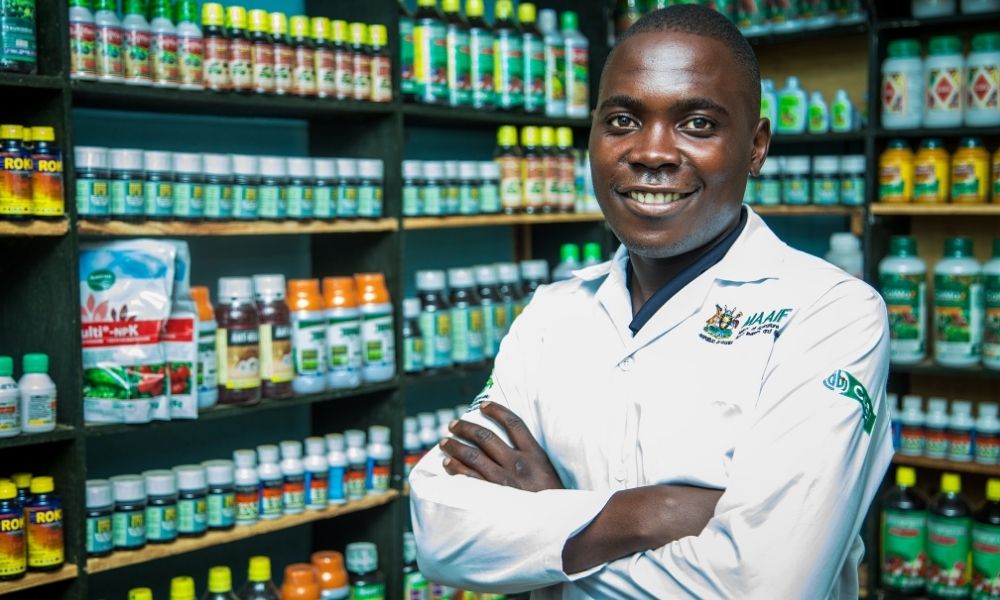
Seryazi runs an agro-input shop in Luwero District and works with the Zirobwe-Kalagala Multipurpose Youth Cooperative Society. Before his training, Seryazi’s recommendations to farmers were often less precise, resulting in less effective pest control and making it difficult to support the farming community fully.
CABI training helped change Seryazi’s approach. He learned pest and disease diagnosis, bioprotection options, and safe chemical use. He also started using CABI’s digital tools, such as the PlantwisePlus Knowledge Bank and Factsheet App, to make recommendations to farmers.
“Humans come before my business. I need to safeguard my own health, as we all eat from the farmer. This is the right thing to do. Farmers are now informed because I give them the right products and recommendations, and they always come back as a result.”
Seryazi now provides advice to over 876 registered farmers through plant clinics, farm visits, and cooperative training sessions. His shop is registered with the Crop Certification and Inspection Department under MAAIF. What is more, he stocks lower-risk products alongside conventional pesticides and leads with recommendations for safer alternatives wherever possible.
Judith Nassuna: learning to protect herself and her community
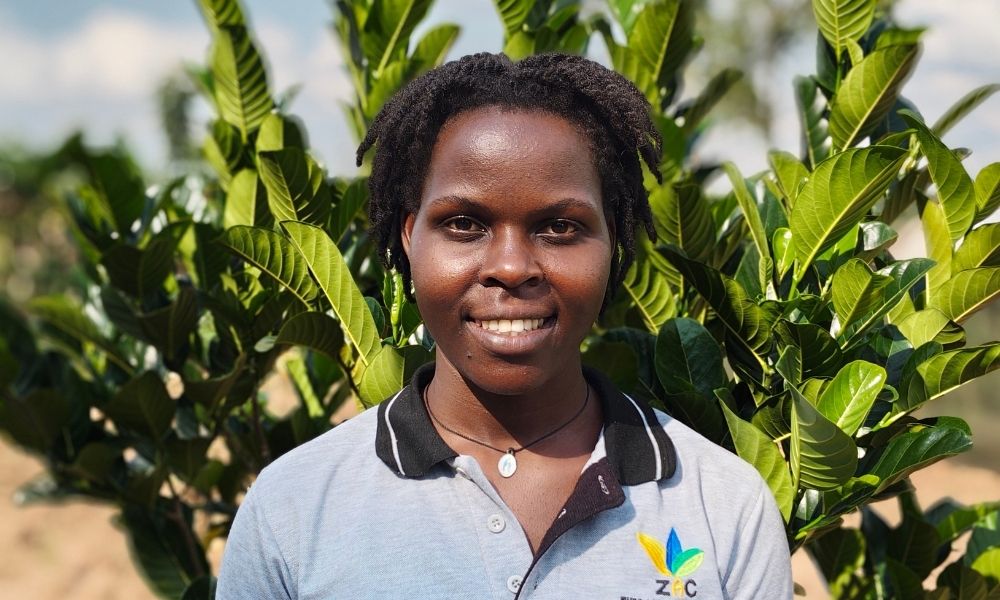
When Judith started her training, she was pregnant and working long hours in a closed agro-input shop. She had regular headaches, which she put down to pregnancy.
The training made Judith aware of the risks posed by pesticides. She learned that pesticides are particularly dangerous for pregnant women and that inhalation and skin contact can cause serious harm.
The training has changed how she works with farmers. She now teaches them about pre-entry periods after spraying, the importance of reading labels, and the risks of mixing chemicals with bare hands. She promotes lower-risk alternatives, such as neem-based products and copper-based fungicides, alongside conventional inputs.
Judith admits change is not always easy. Older farmers, especially, are used to applying more than the recommended dose. Judith demonstrates sprayer calibration, showing how accurate dosage calculation benefits their crops and budgets. “They are appreciating, slowly, slowly,” she says.
Robben Pelendu: better knowledge, better business
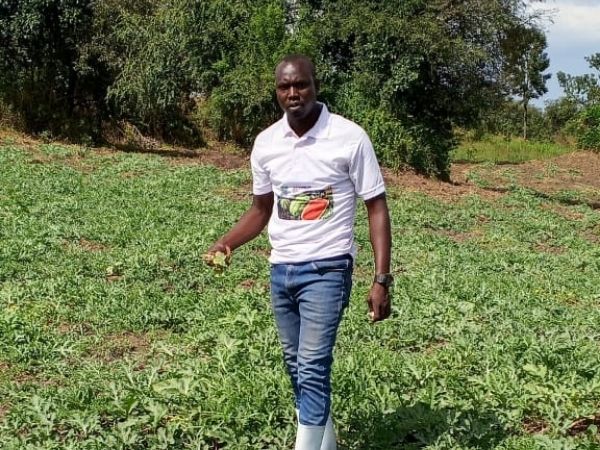
Robben started his shop in 2020 with less than USD 200. When he attended the safe use and handling training in 2024, he was already running a business. However, his focus was on selling, not advising.
Since completing the training, Robben’s loyal customer base has grown because he has become better at diagnosing farmers’ problems before making recommendations. His confidence has grown, and he is happy to train farmers on good agronomic practices, helping him attract even more clients.
Robben also now stocks pheromone traps, Nimbecidine, and plant boosters alongside standard inputs. Because he mainly serves vegetable farmers growing for regional markets, recommending lower-risk products means safer food for consumers.
The business has grown tenfold. Robben attributes 60% of that growth directly to the training.
Across the 43 districts where training has taken place, dealers report greater confidence in advising farmers, increased stocking of lower-risk products, and changes to how they handle and store pesticides. As of September 2025, sixteen trained and licensed dealers reported advising over 19,000 farmers.
“Before the training, I didn’t have an iron-roofed house, but now I do. I have also acquired a Yamaha motorcycle worth UGX 7,000,000 (USD 2,000), which has solved my transport challenges.”
Growing impact of pesticide safety training
The incorporation of the LRPPP module into Uganda’s national mandatory training scheme means more farmers will receive better information and advice. MAAIF Commissioner Dr. Paul Mwambu described the toolkit as “a significant step in Uganda’s journey towards more sustainable, resilient, and safe agricultural practices.”
The lessons learned from Uganda will help inform similar efforts in other PlantwisePlus countries, where reducing pesticide risks remains vital to improving food safety.
Read the study brief
This blog draws on the CABI Study Brief, Strengthening Uganda’s Agro-Input Dealer Knowledge through enhanced professional training authored by On Ki Li, Caroline Aliamo, Christine Alokit, Kevin
Muraguri, Keith Holmes
Further reading
PlantwisePlus develops agro-input dealer training scheme with Bangladesh government
What do agro-dealers in Nepal prefer when it comes to sustainability standards?
PlantwisePlus gratefully acknowledges the financial support of the Directorate-General for International Cooperation, Netherlands (DGIS); European Commission Directorate General for International Partnerships (INTPA); UK International Development from the UK government; and the Swiss Agency for Development and Cooperation (SDC).
Interested in learning more?
PlantwisePlus works with partners including governments, research institutions, local NGOs, and regional plant protection organizations to strengthen plant health systems and improve food security.
>> Discover more about our approach and how you can get involved.
1 Comment
Leave a Reply
Related News & Blogs
How IPM is helping Vietnam’s tomato farmers manage invasive tomato leafminer
Tomato farmers in Lam Dong Province, Vietnam, are gaining practical knowledge on managing the invasive South American tomato leafminer. The pest, Phthorimaea absoluta (formerly Tuta absoluta), can be difficult to control once established. Through integ…
14 October 2026
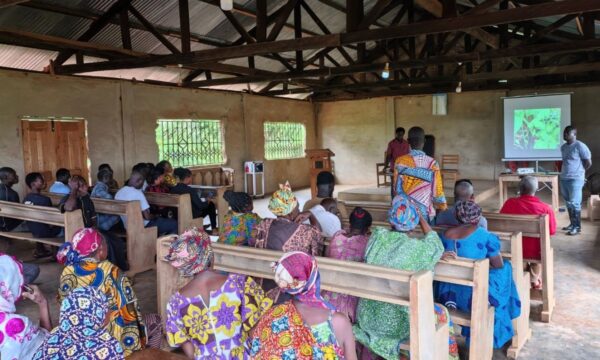
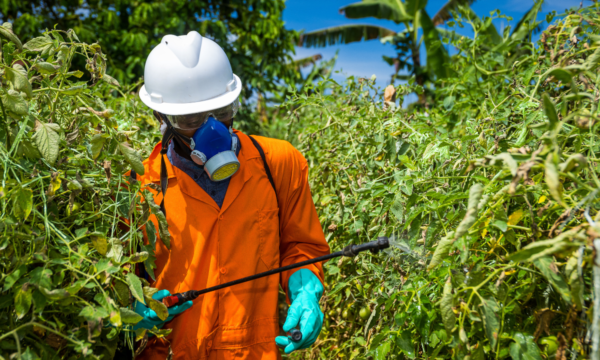
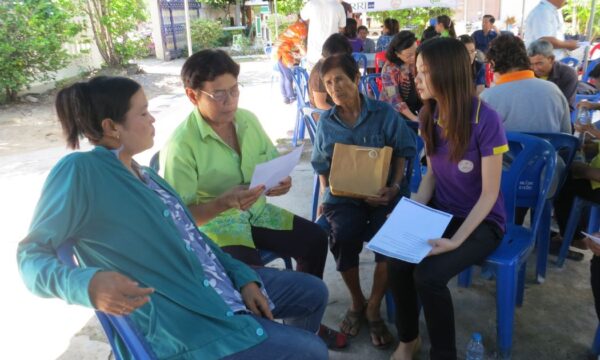
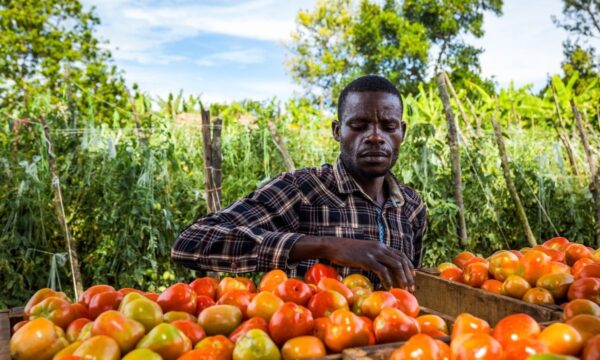
In acknowledgement of the risk of harsh and more dangerous pesticides educating farmers and householders of safer biochemical for use to safeguard human health and reduce the risk of illness.