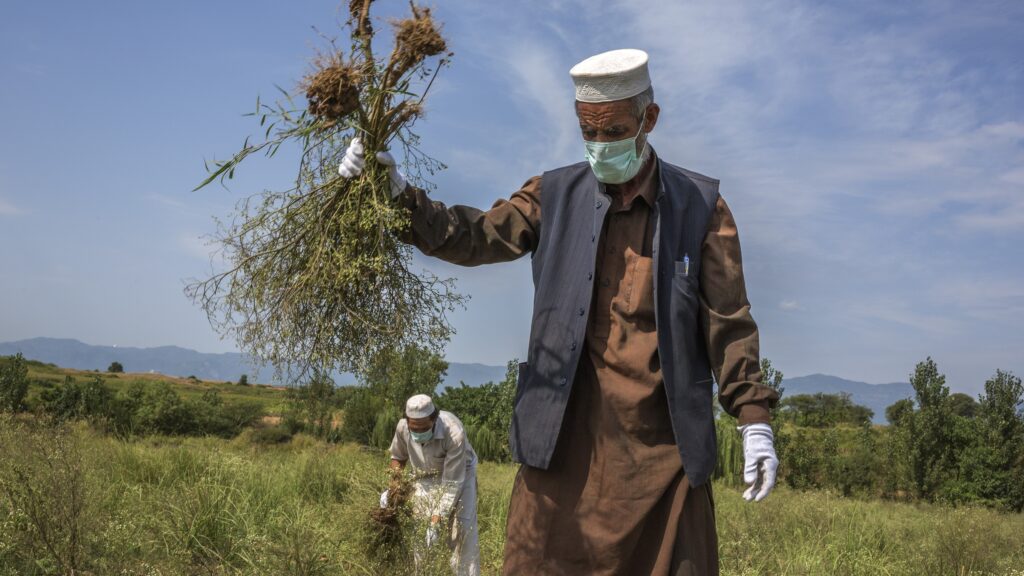
Parthenium hysterophorus, commonly known as parthenium or “famine weed”, is one of Pakistan’s most damaging invasive species. It spreads aggressively, suppresses crop productivity, threatens grazing lands, impacts biodiversity, and poses serious health risks to humans and livestock. Over the past decade, CABI has led a comprehensive, science-based campaign to address this threat. Now, as the programme enters a new phase, Pakistan stands at a pivotal moment. The effort is transitioning from a project-led initiative into a sustainable national management system.
Biological control breakthrough
CABI’s work on parthenium in Pakistan has combined scientific research, biological control, community awareness, and strong institutional partnerships. Under the PlantwisePlus and Action on Invasives programmes, CABI has built the country’s most extensive and effective biological control initiative for parthenium to date. A major breakthrough came with the introduction, mass production, and release of Listronotus setosipennis, a stem-boring weevil recognised globally as a safe and highly effective biological control agent.
At CABI’s Rawalpindi facility, teams rear over 3,000 weevils each month using a dedicated plant-production system. Teams have already released more than 7,400 adult weevils at key sites across the country, spanning Khyber Pakhtunkhwa, AJK, and Punjab. Importantly, host-specificity tests confirmed that the weevil does not damage important crops such as sunflower, which makes it a safe and environmentally sustainable solution for farmers.
This year marks an important transition, as CABI hands over the live culture of L. setosipennis to six national institutions, including PARC, the University of Agriculture Faisalabad, NIAB, the Entomological Research Institute of AARI Punjab & Ghazi University DG Khan, and the Directorate of Agriculture Research in Khyber Pakhtunkhwa. The handover marks a shift from externally driven support to local ownership, helping ensure the long-term continuation of biocontrol operations. It ensures that the expertise, resources, and scientific tools required to manage parthenium will now be embedded within Pakistan’s national system.
Evidence-based action: Research and community engagement against parthenium in Pakistan
CABI has also generated critical scientific evidence that underscores the urgency of controlling parthenium. A recent study conducted at CABI’s regional office in Rawalpindi found that maize yields can drop by 14-46%, depending on weed density. This demonstrates the severe impact of weeds on food security. Further research indicates that parthenium will likely expand its range under climate change, placing additional pressure on vulnerable ecosystems. The discovery of the rust fungus Puccinia abrupta var. partheniicola infecting parthenium in Pakistan provides another promising natural enemy that complements the weevil and enhances biological suppression where suitable.
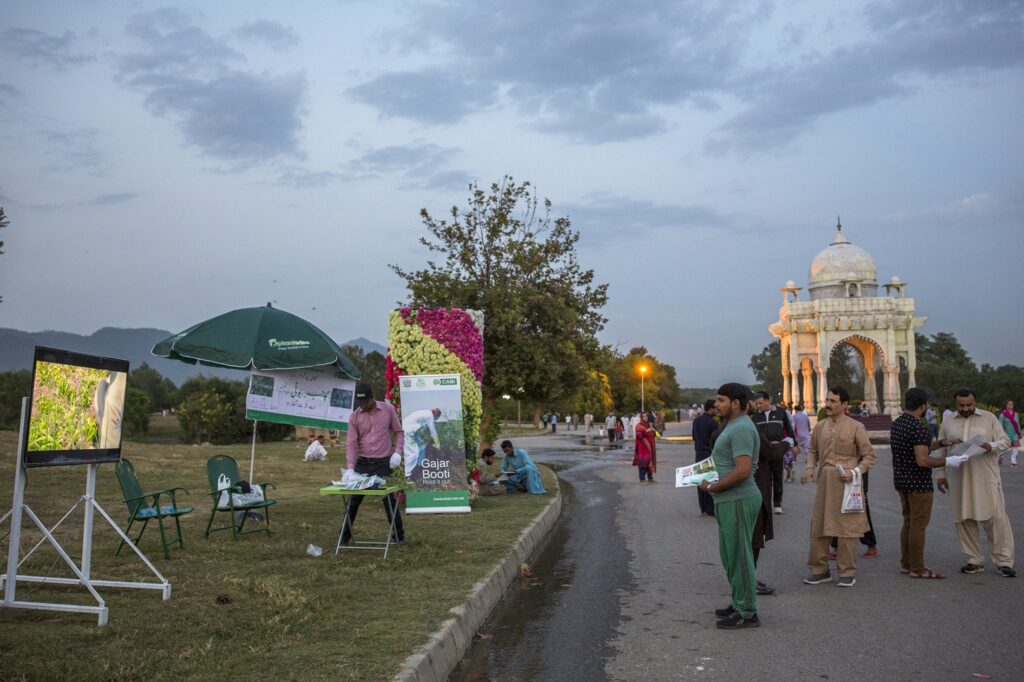
Beyond scientific interventions, CABI has invested heavily in community awareness and behavioural change. Through farmer trainings, village-level campaigns, and collaborations with public institutions, CABI has reached more than 10,000 farmers across 438 villages. Urban outreach efforts in public parks and city centres engaged over 2,000 citizens. A “Weeding Week” campaign mobilized 1,400 farmers, while around 2.2 million viewers watched a nationally broadcast documentary, helping communities recognise the invasive weed and learn safe management practices.
The Pakistan Museum of Natural History also partnered with CABI to establish an educational exhibit highlighting the dangers of parthenium. This raised awareness among thousands of museum visitors. These wide-ranging initiatives have helped build public understanding – an essential foundation for the long-term management of invasive species.
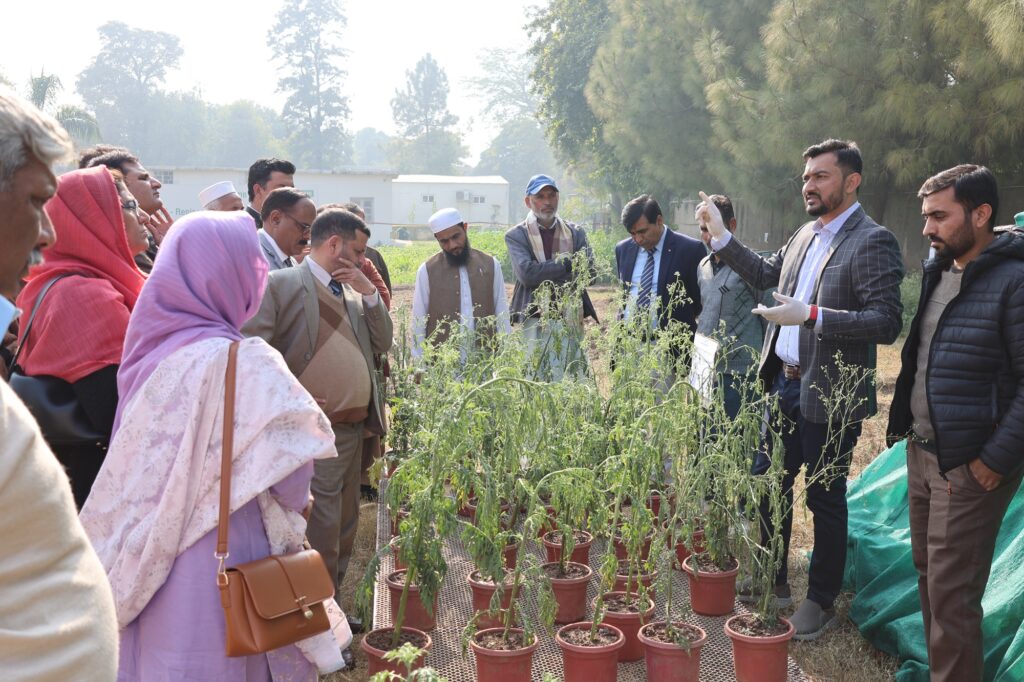
As part of the sustained handover efforts, CABI organized a national training workshop on 3–4 December 2025. It focused on rearing techniques, plant production, data recording, practical culturing procedures, and field-release methods for L. setosipennis. In total, 22 officers and lab assistants from research and academic institutes were trained. This equips them with the skills and confidence to independently maintain and expand biocontrol operations across their regions. It also strengthens collaboration among national stakeholders and supports continued progress after CABI’s direct support concludes.
The path forward
Pakistan is now entering a new phase in its fight against invasive weeds. With the foundations firmly in place: scientific research, biocontrol capacity, and public awareness. The country is well-positioned to move from pilot efforts to a fully institutionalised national system.
The road ahead involves several key actions. Provincial agriculture and environmental departments must embed biological control into their operations. Release sites need continuous monitoring. Community engagement must continue to prevent further spread. This successful model can also be adapted for managing other invasive species in Pakistan. Strengthening research capacity through universities and research institutes will further support sustained progress.
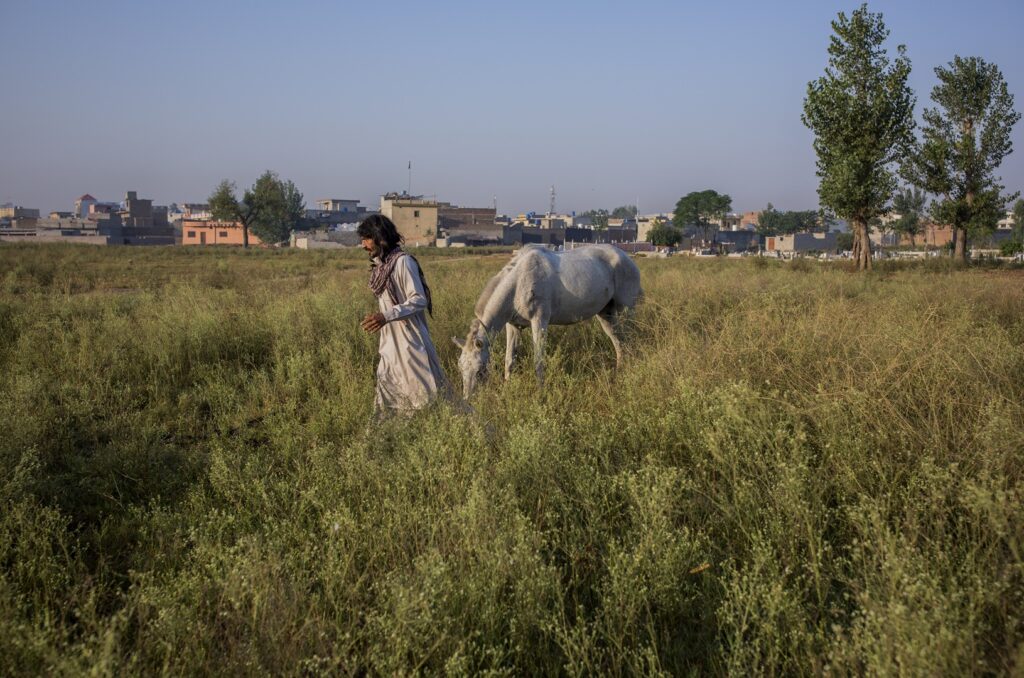
Parthenium is more than an agricultural nuisance; it is a national challenge that affects food security, livelihoods, biodiversity, and public health. After many years of CABI-led intervention, Pakistan is now taking full national ownership of this work. CABI is handing over essential tools, training, and biological resources to Pakistan’s institutions, researchers, extension agents, and communities. They will sustain long-term management independently.
This marks a critical milestone in sustainable development. Pakistan can protect its agricultural landscapes and support its farmers without external funding. This model demonstrates how time-bound investment can build lasting local systems. The approach can be replicated to combat other invasive species across Pakistan and serves as a blueprint for sustainable pest management in other countries.
Find out more about CABI’s work on parthenium
CABI-led study suggests women in Pakistan need greater access to information on parthenium weed
How does parthenium weed impact maize crop production?
Can beneficial insects control parthenium weed in Pakistan to safeguard crops?
Action on Invasives short course on classical weed biological control
PlantwisePlus gratefully acknowledges the financial support of the Directorate-General for International Cooperation, Netherlands (DGIS); European Commission Directorate General for International Partnerships (INTPA); UK International Development from the UK government; and the Swiss Agency for Development and Cooperation (SDC).
Related News & Blogs
How partnerships are supporting pesticide risk reduction in Thailand
For many farmers, pesticides still play an important role in protecting their crops from pests and diseases and reducing losses. However, their misuse can pose serious risks to human health, the environment, and biodiversity. …
4 September 2026