From July to December last year, Assam Agricultural University (AAU) in Jorhat hosted a series of initiatives under the CABI-led PlantwisePlus programme to strengthen plant health services and enhance crop productivity. Co-organized by CABI, M. S. Swaminathan Research Foundation (MSSRF), and AAU, the events demonstrated how Integrated Pest Management (IPM) trainings, plant clinics, plant health campaigns, and stakeholder collaboration can help farmers protect their crops and increase production.
These activities are part of PlantwisePlus’s Farmer Advisory pathway. Working closely with local and international partners, the programme combines expertise, resources, and on-the-ground support to implement targeted training, awareness campaigns, and farmer advisory services, such as plant clinics.
Local partnerships are crucial for ensuring such work has a lasting impact. In Assam, through the involvement of AAU scientists, extension staff, and local NGOs, plant clinics are being embedded within existing advisory systems. As a result, communities have access to plant health services beyond individual projects and advisories.
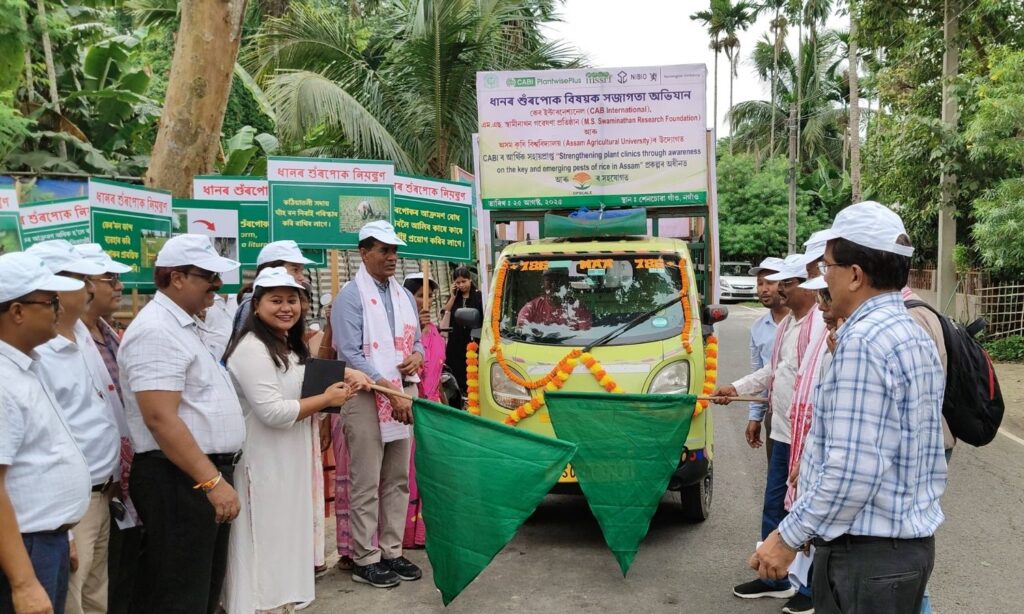
Providing advice through plant clinics and plant health awareness campaigns
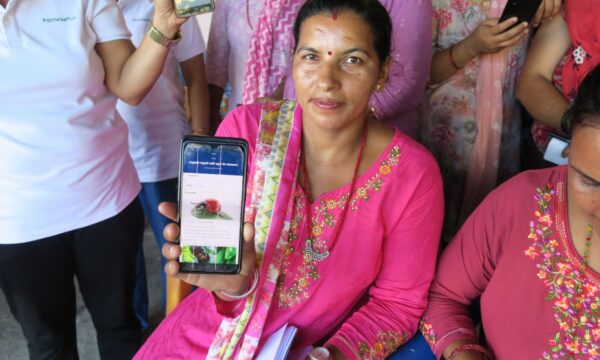
Plant clinics, community-based advisory services staffed by trained agricultural advisors, are central to this approach. Farmers bring crop samples to the clinics for diagnosis and receive science-based, practical guidance on sustainable management practices. The advice covers preventive measures such as monitoring, the use of resistant varieties, and sustainable pest control options, which reduce farmers’ reliance on hazardous chemical pesticides.
The Plant Health Campaigns were conducted last year across several villages in Assam, including Dangdhora, Sekuria, Thengal Gaon, and Naginijuri. They serve as a strong example of the positive impact that plant clinics can have on farmers. These campaigns not only showcased the benefits of plant clinics but also helped gather valuable feedback from farmers. Their responses highlighted how plant clinics and plant health awareness initiatives have boosted farmers’ confidence in adopting Integrated Pest Management (IPM) and Integrated Disease Management (IDM) practices. Moreover, they have created an effective platform for ongoing communication between farmers and agricultural experts.
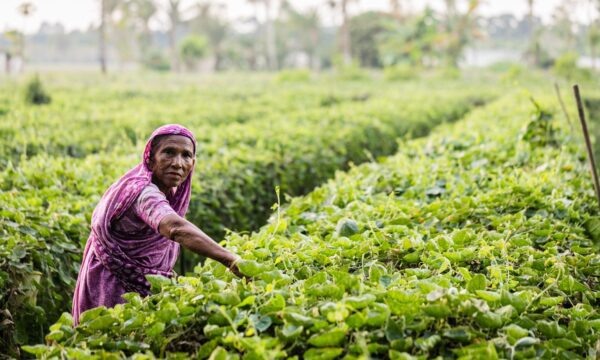
Beyond the plant clinics, such campaigns play a vital role in helping farmers in Assam identify and manage major and emerging pests and diseases in rice. By promoting integrated and eco-friendly approaches, they help reduce crop losses, improve yields, minimize pesticide misuse, and reinforce the impact of plant clinics. As a result, these efforts contribute to healthier crops, higher farmer incomes, and enhanced food security across the region.
Dr. Rajkumar, Senior Fellow at MSSRF, said the initiatives had “been very helpful to the resource-poor farming community.” He added, “These programmes have raised awareness, reduced crop losses, and shown how science, technology, and partnerships can safeguard food security.”
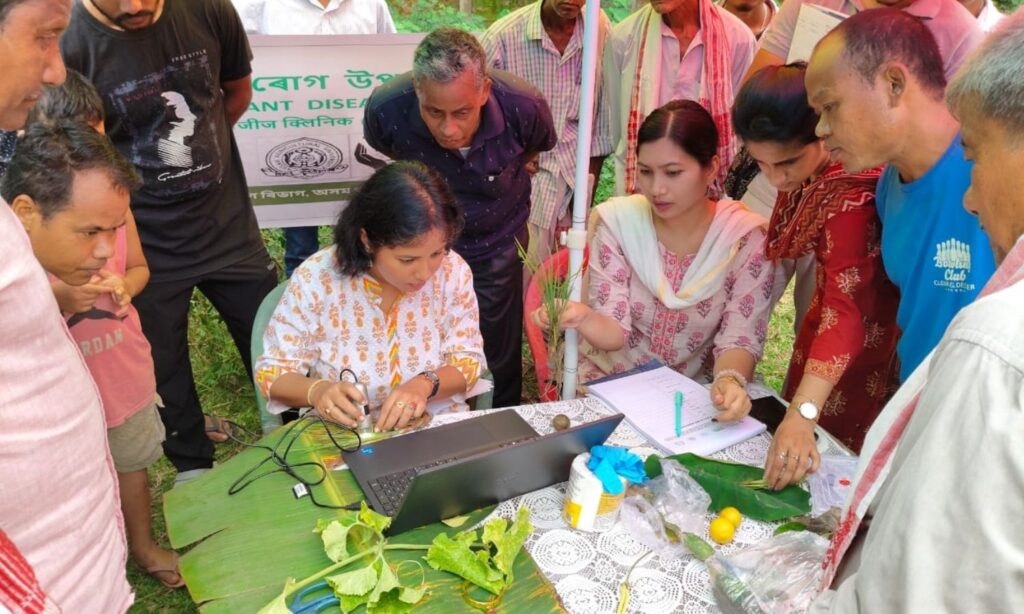
The power of partnerships
The events in Assam highlight the importance of multi-stakeholder collaboration. By linking partner organisations and local experts, PlantwisePlus makes it easier for farmers to access timely, reliable, and science-based advice for their growing plant health challenges.
Partnerships bring together expertise, field experience, and timely advice through digital tools, creating a sustainable framework for crop protection and extension services.
Dr. Sanjay Kumar Chetia, Director of Research (Agri) at AAU, emphasised the importance of such collaboration, “It is the need of the hour to reinforce the plant health system with emphasis on pest preparedness, pesticide risk mitigation, and farmer-centric advisory services … This collaboration, through plant clinics, campaigns, digital agriculture tools and capacity building, will continue to play a key role in enhancing farmers’ income while benefiting all stakeholders involved.”
Ensuring lasting impact in Assam
Through initiatives with AAU and MSSRF, PlantwisePlus is supporting farmers in Assam in managing pest threats and reducing crop losses sustainably.
Importantly, these partnerships are being integrated into institutional frameworks, such as AAU’s training programmes and state extension systems, helping ensure plant health services and farmer advisory networks continue to evolve independently.
PlantwisePlus
PlantwisePlus gratefully acknowledges the financial support of the Directorate-General for International Cooperation, Netherlands (DGIS); European Commission Directorate General for International Partnerships (INTPA); UK International Development from the UK government; and the Swiss Agency for Development and Cooperation (SDC).
Further reading
Plant clinics in Malawi: Reducing pest threats to increase crop yields and farmer incomes
PlantwisePlus: Growing knowledge, skills and resilience across Vietnam
Private-sector plant clinics advancing sustainable agriculture in Costa Rica
Related News & Blogs
From monitoring to impact: how evidence is driving youth agripreneurship
PlantwisePlus works with partners to help farmers protect their crops and livelihoods, strengthening plant health systems. By integrating capacity development, digital advisory tools, and evidence-based decision-making, the programme is creating more r…
23 March 2026