
The Formosan subterranean termite: a destructive force
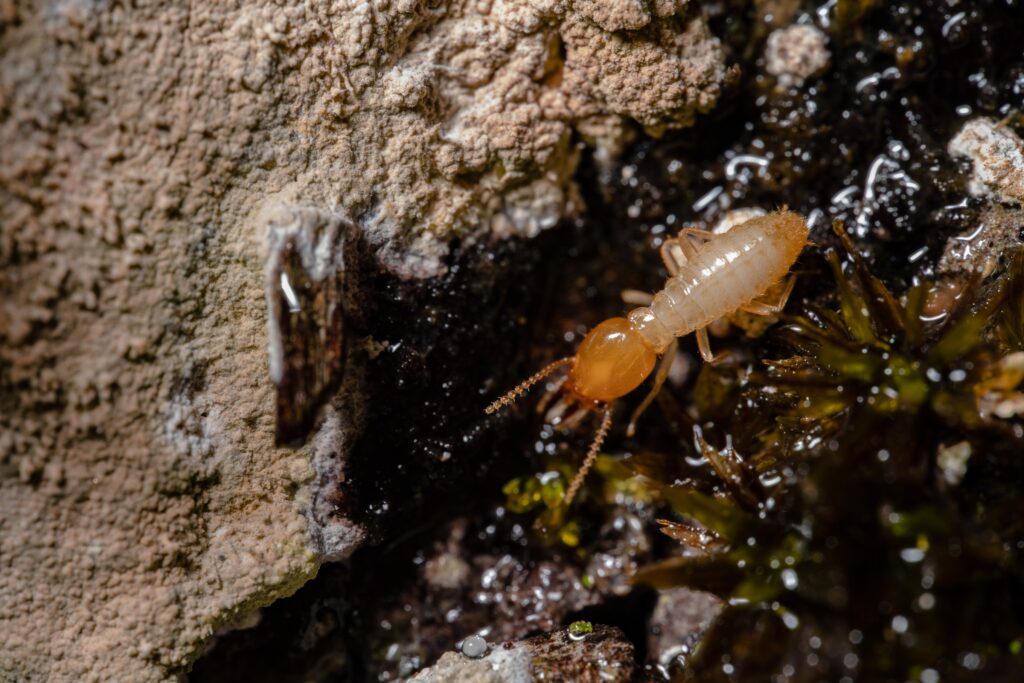
Termites, numbering over 3,100 species worldwide, are infamous for their ability to wreak havoc on building structures and vegetation. The Coptotermes genus particularly stands out, containing the most termite pests, with 28 pest species. However, one species, in particular, has gained prominence as the most widespread and economically significant of them all. The Formosan subterranean…
Permanent Crop Clinic Programme in Sri Lanka to be strengthened following stakeholder meeting
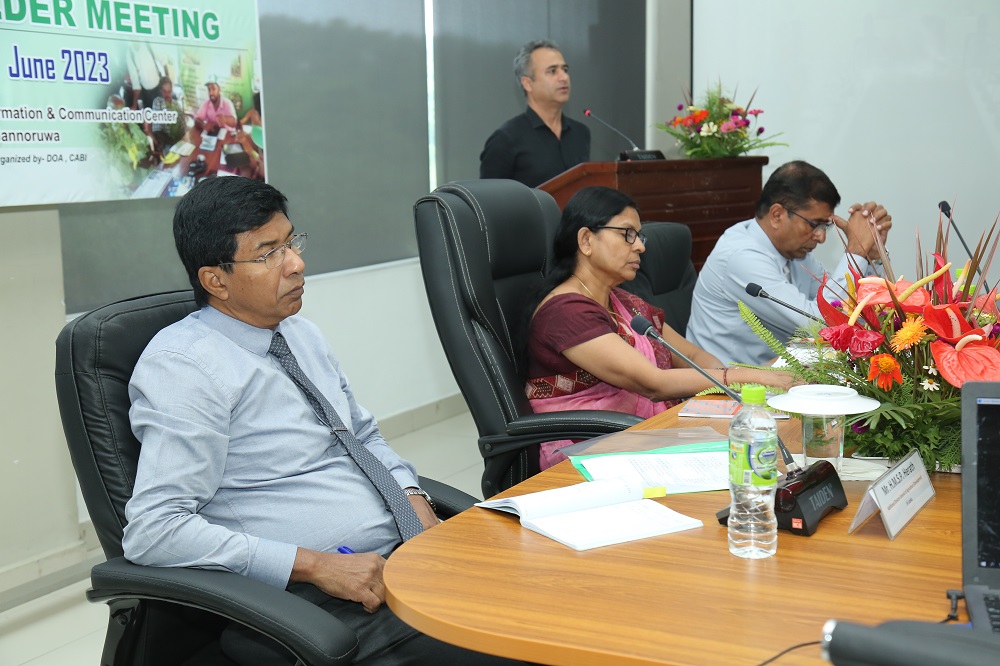
The CABI-led Permanent Crop Clinic Programme (PCCP) in Sri Lanka is to be strengthened further and provide greater help to the country’s smallholder farmers looking to sustainably protect their crops from devastating crop pests and diseases.
CABI’s expertise in digital data highlighted at Kenya meeting to help ensure greater sustainable food security
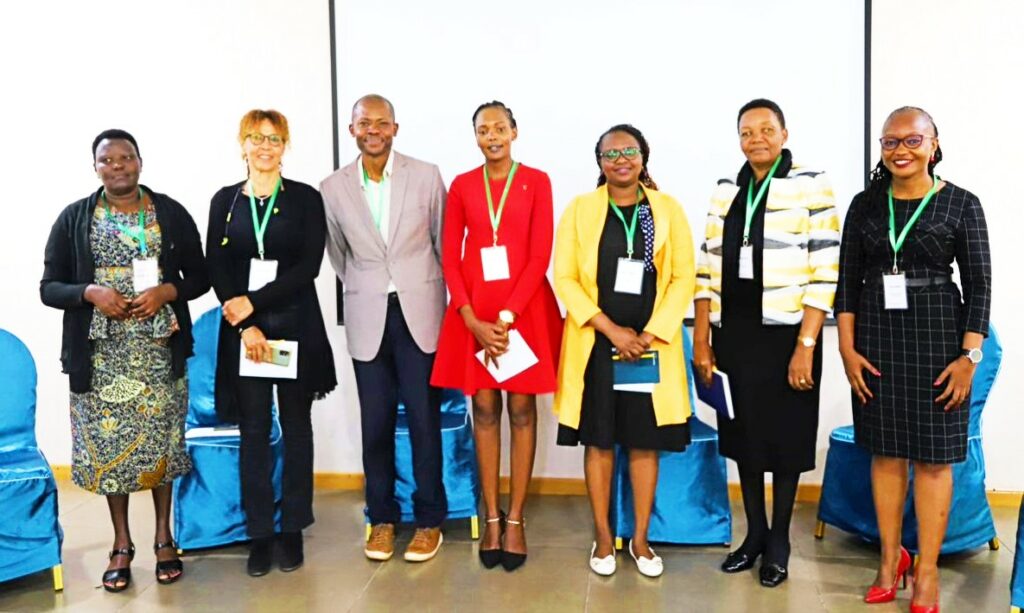
CABI’s expertise in digital data and development has been highlighted at a meeting in Kenya convened to identify ways in which Earth Observation (EO) data, products and services can help ensure greater sustainable food security.
Update: New Pest & Disease Records (05 July 2023)
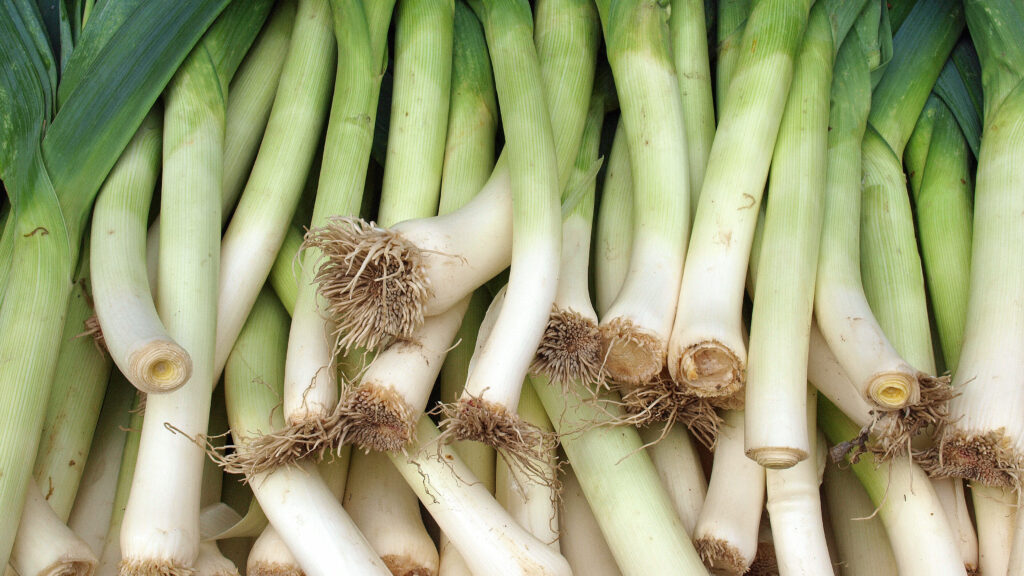
We’ve selected a few of the latest new geographic, host and species records for plant pests and diseases from CAB Abstracts. Records this month include the first record of the genus Tagosodes in South Korea and the first report of a rot on Welsh onion caused by Burkholderia cepacia complex bacteria in Japan.
Control of scale insects in fruit trees

Scale insects are a diverse group of small, sap-sucking insects with flat or domed shells. Their lack of mobility and protective shell make them difficult to manage. This explains why many scale species are commercial agricultural pests. Scales pierce plant tissue with their mouthparts to feed on the sap weakening the plant. Any excess fluid…
Empowering young men and women through agricultural skilling in Uganda

Youth unemployment continues to be a pressing issue in Uganda, particularly among secondary school graduates. The lack of job opportunities not only affects individuals but also poses challenges to the overall development of society, writes Harrison Rware, Monitoring and Evaluation Officer, and Caroline Aliamo, Projects Officer, based at CABI’s regional centre for Africa, Nairobi, Kenya.
Update: New Pest & Disease Records (07 June 2023)

We’ve selected a few of the latest new geographic, host and species records for plant pests and diseases from CAB Abstracts. Records this month include the first report of Dothiorella gregaria associated with fruit rot of walnuts in India, and the discovery of three new species of Botryosphaeriales isolated from diseased plant branches in China.
More trainers of KS1758 – Horticultural Code of Practice to reach more farmers in Kenya
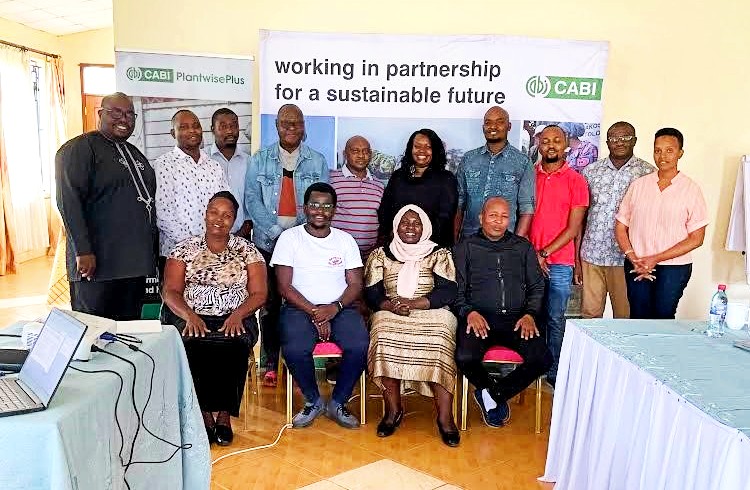
CABI – through the PlantwisePlus programme – has assisted in delivering training to help farmers meet the KS1758 Horticultural Code of Practice. CABI’s regional centre for Africa, based in Nairobi, collaborated with the KS1758 code’s implementation committee (SIC) to deliver the Trainer of Trainers (ToT) training to 12 people in a bid to increase the…
Radio campaign seeks to break down barriers to gender-equitable agricultural extension services
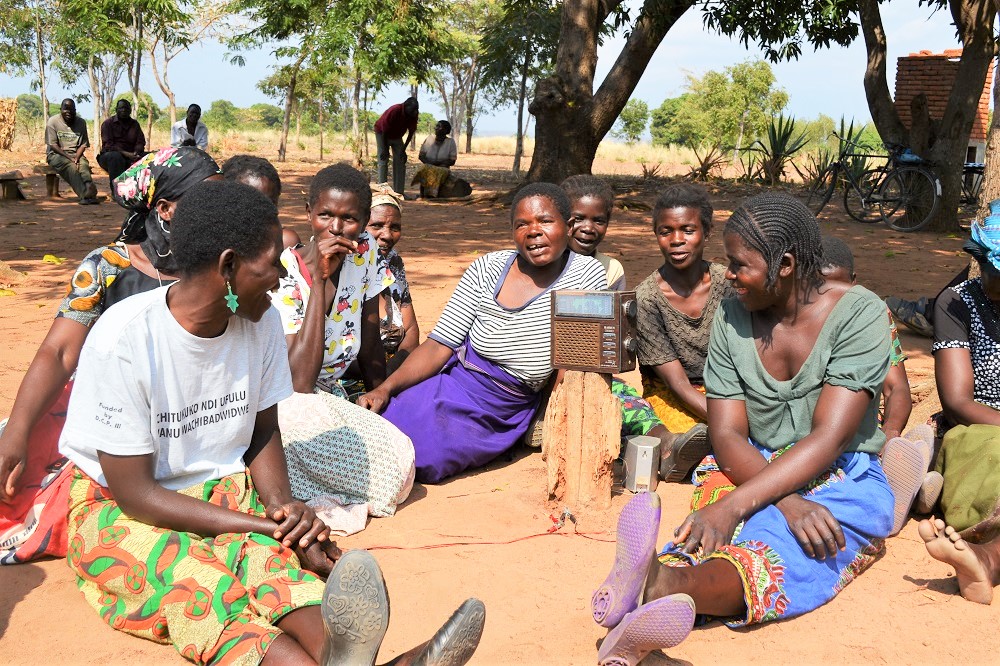
CABI is joining forces with Farm Radio International to roll out a behaviour change communication (BCC) campaign to try and help break down the barriers to gender equitable agricultural extension services in Ghana.
Update: New Pest & Disease Records (09 May 2023)

We’ve selected a few of the latest new geographic, host and species records for plant pests and diseases from CAB Abstracts. Records this month include the first report of root rot of Dendropanax trifidus caused by Fusarium oxysporum in Korea, and a description of three new species and one new genus in American acanthocinini.