
Update: New Pest & Disease Records (08 February 2021)
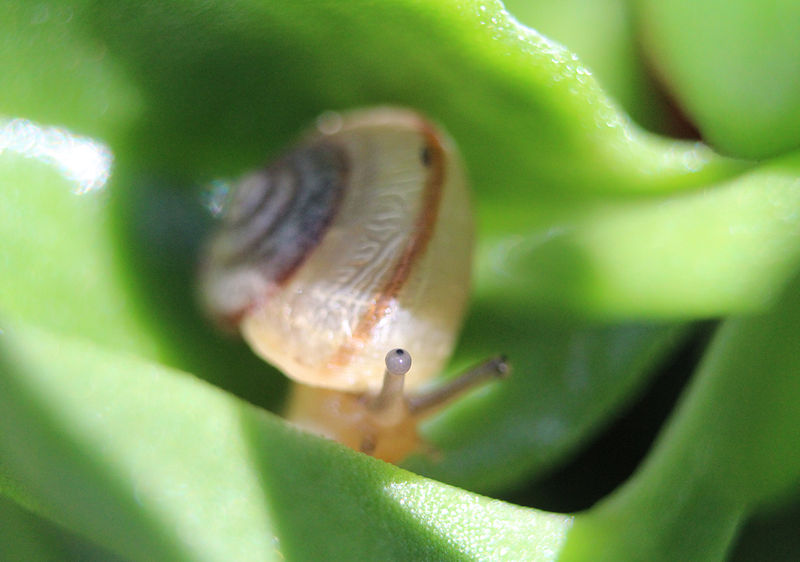
We’ve selected a few of the latest new geographic, host and species records for plant pests and diseases from CAB Abstracts. Records this month include the first record of the introduced land snail Bradybaena similaris in Bangladesh and the first report of leaf anthracnose caused by Colletotrichum liriopes on Ophiopogon japonicus in China.
Machine Learning within the Agriculture Aid Sector

Artificial intelligence (AI) is being used all around us in our personal and professional lives. With constant improvements to technologies and the data science driving these developments, we are now seeing a world where it is common to see AI in some form in everyday life. One such area of AI which is being utilised…
Update: New Pest & Disease Records (08 January 2021)

We’ve selected a few of the latest new geographic, host and species records for plant pests and diseases from CAB Abstracts. Records this month include the first report of stem rot on hydrangea caused by Phytophthora hedraiandra in Japan and reports of a new blunervirus infecting tomato crops in Italy and Australia.
Five ways Horizon Scanning is supporting crop production
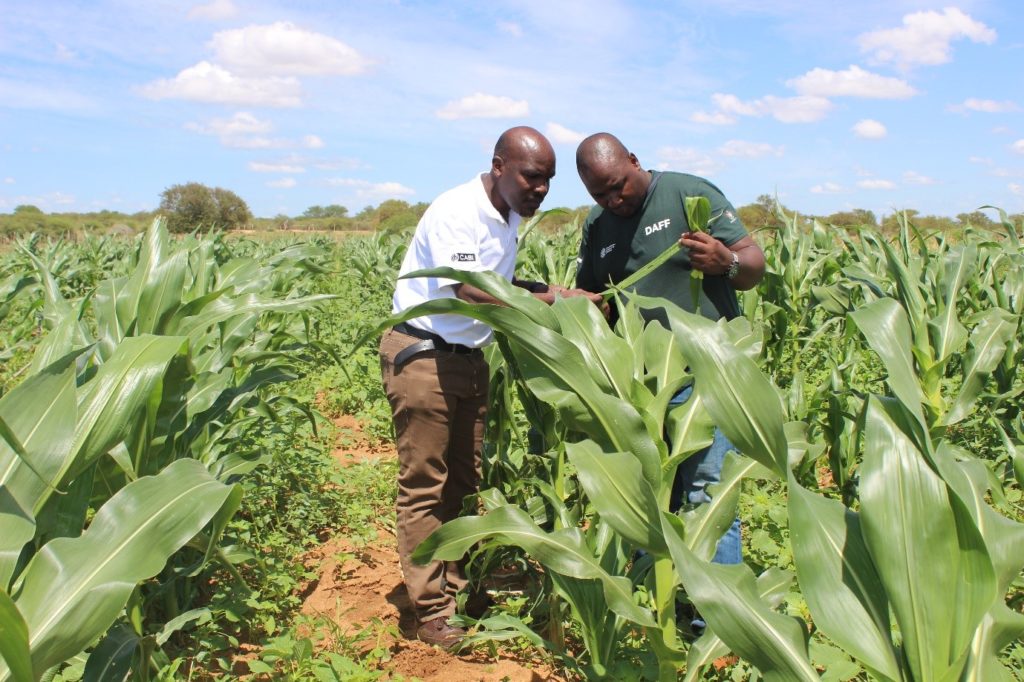
This article was originally published by CHAP As part of its International Pest Horizon Scanning (IPHS) capability, CHAP has funded the distribution of 180 tablet devices to extension workers across five countries: Ghana, Nepal, Peru, Vietnam and Malawi. These extension workers, known as plant doctors, run plant clinics under the CABI-led Plantwise programme. Plant clinics…
CABI helps update Wikipedia species pages to help spread advice on fighting crop pests and diseases
CABI has teamed up with John Cummings – UNESCO’s ‘Wikimedian in Residence’ – to update Wikipedia species pages on a range of devastating crop pests and diseases including Fall armyworm, Banana Xanthomonas Wilt and Rice yellow mottle virus.
Being Data-Driven: A New Approach to Decision Making

With many areas of our day-to-day lives becoming digital, from how we communicate to the exposure of previously trapped knowledge across geographic and social boundaries, it is not a surprise that the agricultural sector is also shifting to digital platforms. As such, the adoption of good digital practices at a global scale is important for…
Update: New Pest & Disease Records (07 December 2020)

We’ve selected a few of the latest new geographic, host and species records for plant pests and diseases from CAB Abstracts. Records this month include the first report of Nipaecoccus viridis in the United States and a new study on the status of invasive palm squirrel Funambulus pennantii in Oman.
Inclusive advisory services enable the women of Thirumalairayasamuthiram village in India to better manage their farms
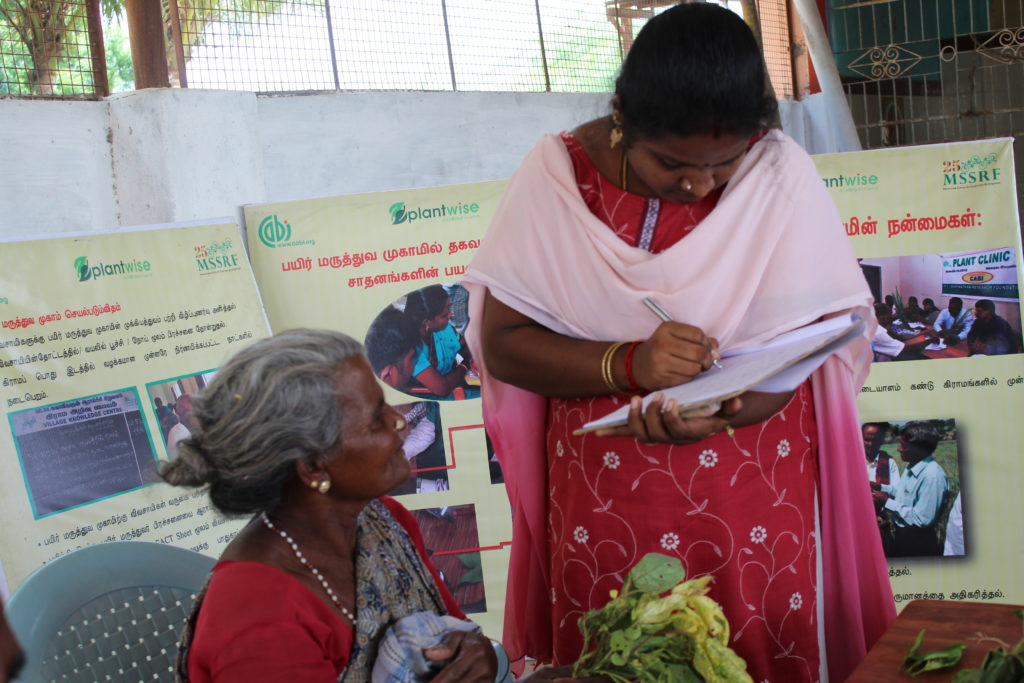
Women play a significant and crucial role in agricultural production. An economic survey carried out it 2017-18, indicates that with growing rural to urban migration by men, there is a ‘feminization’ of the agriculture sector, with an increasing number of women in multiple roles as cultivators, entrepreneurs, and labourers. Globally, there is empirical evidence that women have…
Digital sustainability: Plantwise tools supporting smallholder farmers
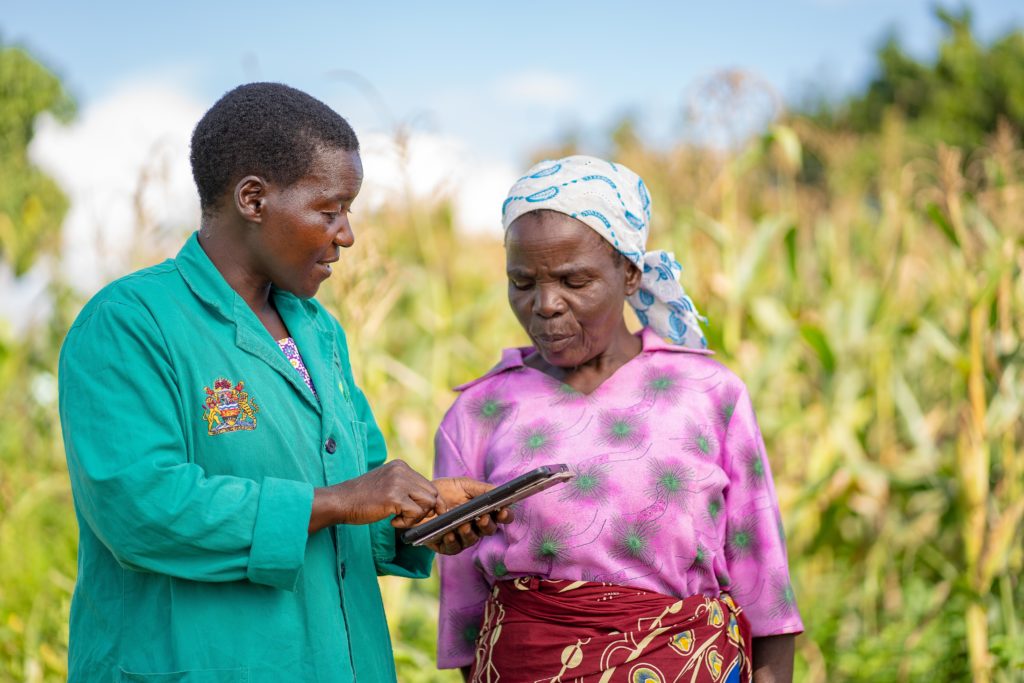
Digitalisation is a globally occurring process of converting information and systems into a digital form. This shift in the way we use technology to support our lives is due to the improved technologies which allow us to be more strategic, time and cost efficient, reach more people easily and improve commercial properties. Much of the…
Update: New Pest & Disease Records (06 November 2020)

We’ve selected a few of the latest new geographic, host and species records for plant pests and diseases from CAB Abstracts. Records this month include the first report of Cinara splendens in the Palaearctic region and a new record of Neofabraea kienholzii, a novel causal agent of grapevine trunk diseases in Hungary.