Plant clinics in Malawi are empowering smallholder farmers to manage crop pests more effectively. In 2025, scientists published a paper in Plant Environment Interactions reviewing the impact of plant clinics on farmers in Malawi. The clinics have created a frontline support system for smallholders in remote, rural locations. In addition, they have helped to strengthen and sustain Malawi’s agricultural extension system. Subsequently, the clinics can help farmers protect their crops and increase their incomes, supporting efforts to lift them out of poverty. This blog looks at plant doctor insights into how the clinics have changed agricultural support in Malawi and, therefore, the lives of the farmers they reach.
The challenge: Climate, pests, and the strain on smallholder
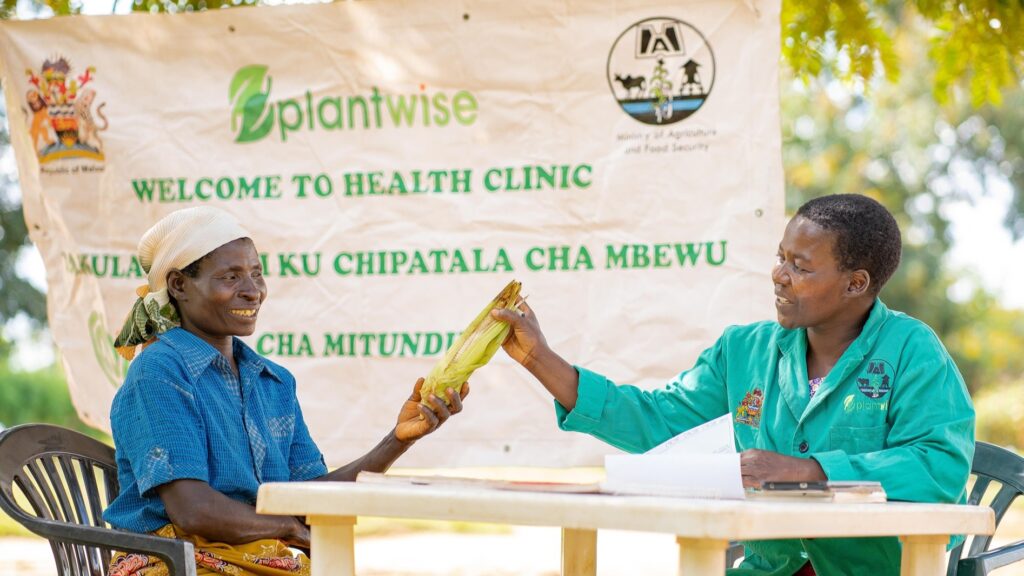
Plant pests and diseases, including invasive species, are one of the world’s greatest threats to agricultural productivity. In many regions globally, they prevent sustainable food production, impacting food security. Furthermore, their spread has been accelerated by climate change. Without pest management, smallholders risk losing a high percentage of their crops – sometimes even their entire crops. Over the past 20 years in Malawi, infestations of plant pests and diseases have taken a serious toll on farmers.
In addition, a lack of access to timely plant health knowledge has worsened the situation. Discovering accurate information about new pests and diseases is particularly difficult for smallholders living in remote, rural areas. Here, communication infrastructure and extension support is often limited. Many farmers struggle to receive regular support from extension officers, whose services are stretched. Subsequently, this gap leaves smallholders vulnerable to emerging pest threats. Without knowledge, farmers cannot easily take early or preventative action. However, innovative new approaches to plant health can help. Through PlantwisePlus, plant clinics bring plant health knowledge directly to farmers and frontline extension workers using diagnostics, digital tools, and pest management training.
Bridging the gap: Establishing plant clinics in Malawi
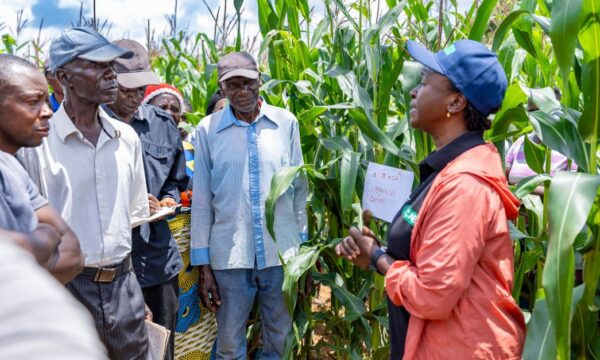
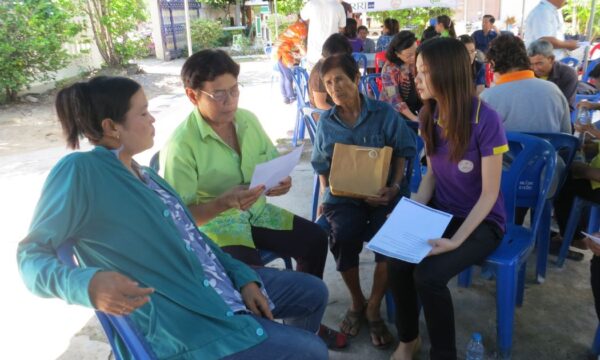
CABI’s plant clinics deliver plant health advice to farmers worldwide. The clinics are modelled on the concept of human health. Smallholders take a sample of their diseased crops to the clinics. Here, trained plant doctors diagnose the problem and offer science-based solutions. The clinics take place regularly in public places such as markets and village squares.
Working in partnership, CABI and Malawi’s Ministry of Agriculture sought to address gaps in the country’s extension system. Together, they created a network of plant clinics in Malawi. The first was introduced in 2013. Over the course of 12 years, plant clinics in Malawi have grown in number, strengthening existing services. Today, the country runs over one hundred plant clinics staffed by hundreds of plant doctors. Almost all trained plant doctors in the country are government extension officers. In August 2025, Malawi celebrated a network of trained plant doctors now operating in every district across the country.
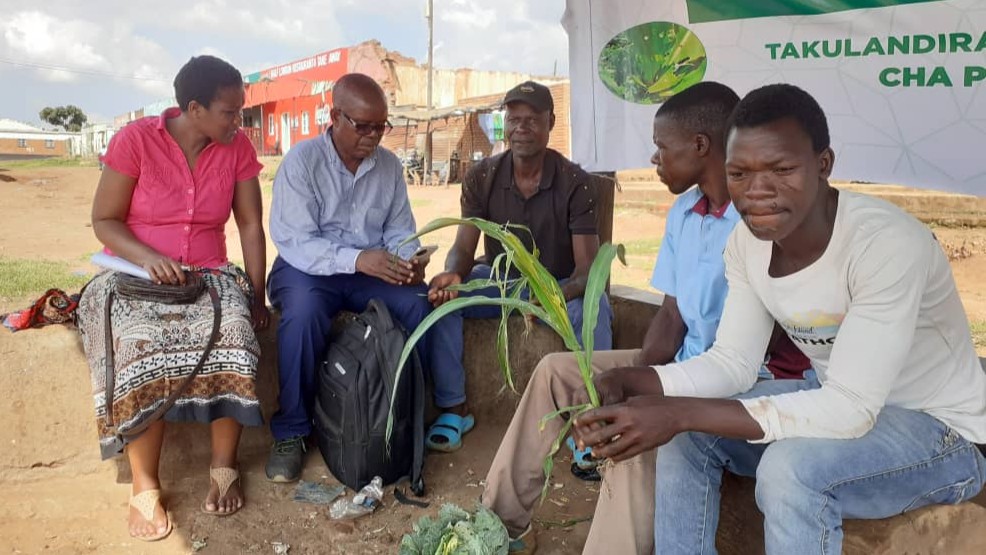
The plant clinics help to identify when and where pest outbreaks are happening. Specifically, the collection of real-time data improves diagnostics. Moreover, it helps to prevent pests and diseases from spreading further. The integration of digital technology is an important element of the plant clinic model. The programme integrates:
- mobile technology
- virtual expert networks; and
- digital plant health tools
In addition, mobility and transportation are important elements of the plant clinic model, enabling plant doctors to reach farmers in remote communities. Investment in travel allowances, for example, boosts clinic coverage and, therefore, improves response times.
Impact and outcomes: What plant doctors in Malawi are saying
In the study, seasoned plant doctors gave their insights into the impact of the plant clinics. They explain how “the establishment of plant clinics has increased farmers’ ability to identify and manage plant pests and diseases.” For example, “clients of plant clinics [are] more likely to adopt Integrated Pest Management (IPM) techniques.” Overall, the study provides qualitative insights, and two meaningful impacts emerged from plant clinic implementation in Malawi.
Firstly, plant doctors consistently viewed the clinics as an improvement to local agricultural services. Plant doctors are often the first point of contact for farmers. They are the experts who help to diagnose and address new and emerging plant health threats. Therefore, the clinics strengthen the ability to diagnose plant health problems and deliver timely pest management advice. At the district level in Malawi, the improvements in advisory capacity have been tangible. The doctors’ ability to reach remote locations has been critical to timely pest management.
Secondly, embedding clinics within the national extension system has led to more sustainable operations. Making plant clinics in Malawi sustainable is essential to their long-term success. Instead of creating parallel services, the programme integrates plant doctor roles into existing government structures. This helps to ease budget and resource allocation within institutions. Moreover, this lays the foundation for scaling and continuing beyond donor-dependent timelines. Furthermore, integration ensures smallholders receive coordinated, lasting access to plant health advice. Together, PlantwisePlus and Malawi’s Ministry of Agriculture have successfully integrated plant clinics into the national agricultural extension system.
A growing network of hope for farmers
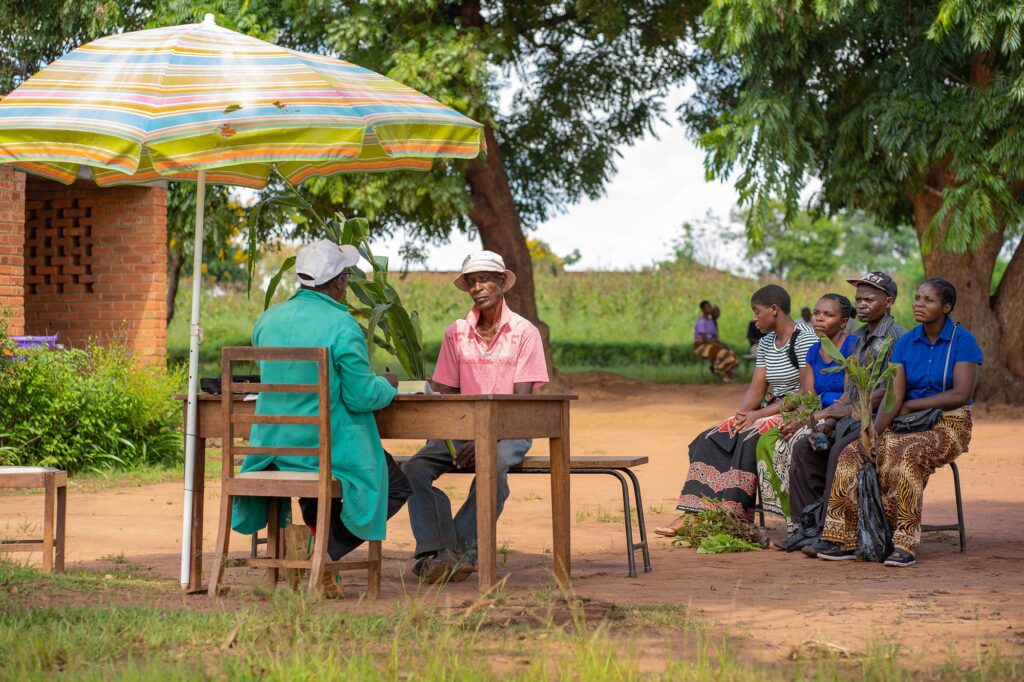
Together, these findings suggest that plant clinic networks are a robust system for delivering plant health services. Plant doctors in Malawi consider the plant clinic approach to offer sustainable solutions. They believe that clinics have substantially strengthened local agricultural services, reducing the threat of crop pests. The clinics combine urgently-needed frontline support with effective integration into existing governmental structures. Moreover, PlantwisePlus has plans for further capacity-building and technological enhancement. These plans mean plant clinics in Malawi are on track to continue delivering accessible, responsive plant health support. Ultimately, they translate into reduced crop losses. They help to increase productivity and food security and improve livelihoods for smallholder farmers.
Read the research in full with open access
Banda, M.M., Kadzamira, M.A.T.J., et al. Plant clinics for improved plant health systems: Malawian plant-doctor insights. Plant-Environment Interactions 6, 3 (2025). https://doi.org/10.1002/pei3.70056
More on Malawi
PlantwisePlus gratefully acknowledges the financial support of the Directorate-General for International Cooperation, Netherlands (DGIS); European Commission Directorate General for International Partnerships (INTPA); UK International Development from the UK government; and the Swiss Agency for Development and Cooperation (SDC).
Related News & Blogs
How IPM is helping Vietnam’s tomato farmers manage invasive tomato leafminer
Tomato farmers in Lam Dong Province, Vietnam, are gaining practical knowledge on managing the invasive South American tomato leafminer. The pest, Phthorimaea absoluta (formerly Tuta absoluta), can be difficult to control once established. Through integ…
14 October 2026