
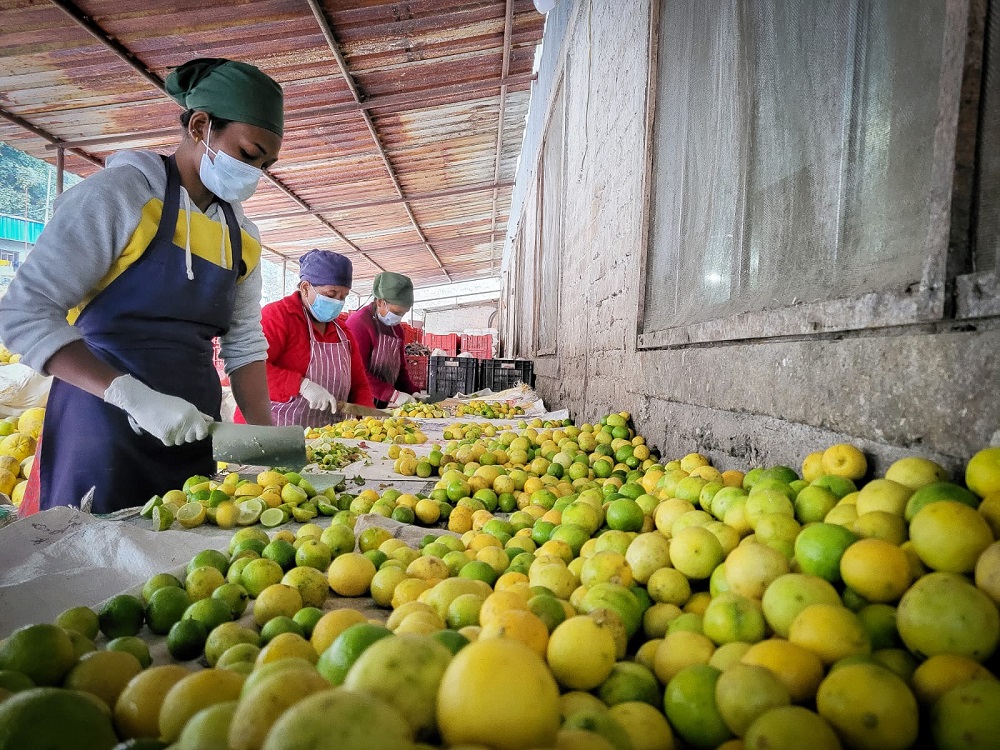
The important role plant clinics play to help smallholder farmers in Nepal grow more healthier and profitable crops free from pests and diseases has been highlighted at the 10th International Plant Protection Symposium.
In 2008, the Global Plant Clinic (GPC) supported the initiation of the plant clinic programme in Nepal, operating two pilot plant clinics. Later, the CABI-led Plantwise programme supported the plant clinic initiatives in Nepal from 2011-2020. CABI continues its support under the new PlantwisePlus programme by providing technical support and coordination at national level through National Forum.
The University of Debrecen, Hungary, organized the symposium, highlighting the latest research findings on plant health and protection. These included aspects of food safety, the impact of climate change, the spread of pests and diseases and the opportunities offered by Integrated Pest Management (IPM).
Prominent academics, university instructors, commercial pesticide producers, and domestic and international researchers participated and presented their findings which will ultimately help smallholder farmers increase their livelihoods and regional and national food security.
Agriculture is the backbone of Nepal’s economy. It contributes 24.12% of the country’s total GDP and supports two thirds of people for their livelihoods. Agriculture advisory services and technology transfer of technology programmes, however, need to be strengthened to support the smallholder farmers in sustainable food production.
Diagnosis and mitigation of plant health problems
Dr. Debraj Adhikari, Senior Plant Protection Officer at the Plant Quarantine and Pesticide Management Centre, Hariharbhawan, Lalitpur, Nepal, provided an overview of the plant clinics in Nepal. He explained how these clinics advise smallholder farmers in diagnosing and mitigating plant health problems, contributing to food security.
Dr Vinod Pandit, Acting Regional Director from CABI, South Asia; Madav Bhatta, Plant Protection Officer at the Plant Quarantine and Pesticide Management Centre in Nepal; Dr Dilli Ram Sharma, President of the Plant Protection Society, Nepal; and Sabitri Baral, Chief of the Plant Quarantine and Pesticide Management Centre, Nepal, and Head of the National Plant Protection Office (NPPO) of Nepal, also attended the symposium.
Mitigation advice which focuses on IPM technologies
Dr Adhikari said, “Plant clinics are one of approaches of agriculture extension services in Nepal. This is a demand-driven activity by the smallholder farmers. They concentrate on all types of crops and their technical problems and offers mitigation advice which focuses on IPM technologies.
“As such, the plant clinics support reducing unnecessary application of chemical pesticides. It also links research and extension systems and acts as pest surveillance in a particular locality.”
Dr Adhikari added that the contributions of plant clinics to the plant health system of Nepal also include the capacity development of agricultural advisory service providers’ technicians and the plant doctors and the development and distribution of extension materials. These include fact sheets and Pest Management Decision Guides (PMDGs), which are freely available on the PlantwisePlus Knowledge Bank.
Additional information
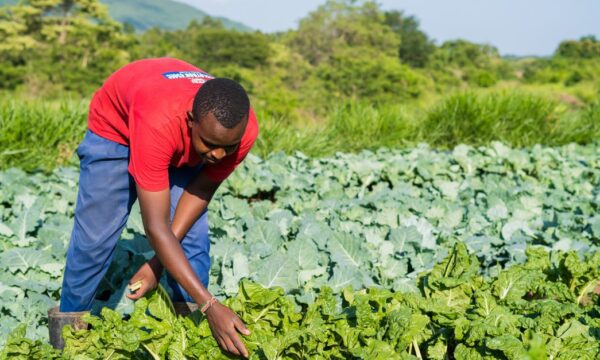
Main image: Agriculture is the backbone of Nepal’s economy but is impacted by crop pests and diseases which the plant clinic programme aims to help smallholder farmers mitigate (Credit: CABI).
Relevant stories
‘How plant doctor training supports smallholder farmers in Nepal’
‘Empowering Nepalese students with CABI digital platforms: Exploring the PlantwisePlus Toolkit.’
‘CABI facilitates Pest Risk Assessment writeshop in Nepal.’
PlantwisePlus is financially supported by the Directorate-General for International Cooperation (DGIS), Netherlands; European Commission Directorate General for International Partnerships (INTPA, EU); the Foreign, Commonwealth & Development Office (FCDO), United Kingdom; the Swiss Agency for Development and Cooperation (SDC); the Australian Centre for International Agricultural Research (ACIAR); the Ministry of Agriculture of the People’s Republic of China (MARA)
1 Comment
Leave a Reply
Related News & Blogs
Gender Technical Working Groups – boosting the empowerment of women farmers
Gender Technical Working Groups are an effective way to bring together and support organizations that empower women farmers. In 2025, PlantwisePlus strengthened its work around gender responsiveness in agricultural advisor…
30 July 2026
Dear corncern
Plrase inform me biopesticides effects in crop production. Thank you