
From access to empowerment: the real impact of digital skills training on women farmers
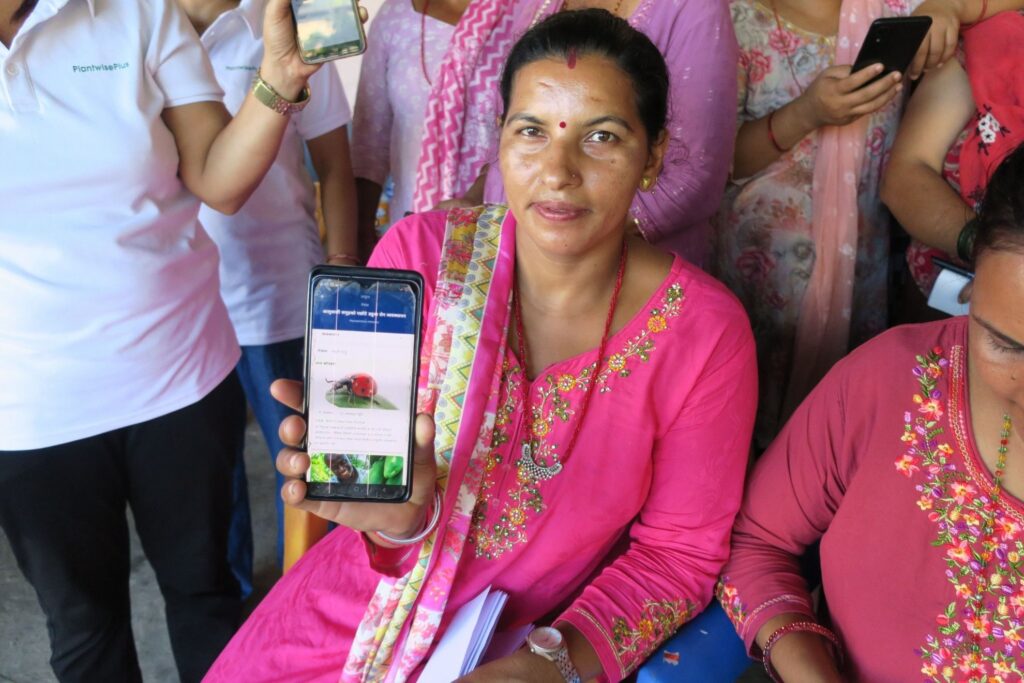
Across low- and middle-income countries, the rapid expansion of digital technologies is reshaping agriculture. Yet for many women smallholder farmers, limited access to mobile phones, internet connectivity, and digital skills creates a persistent gender digital divide. In this 2026 International Year of the Woman Farmer, it’s important to not only acknowledge the impacts of this divide on women’s productivity and incomes, decision-making power, market access, and resilience, but also to…
How can AI tools bridge the gender gap for women farmers?
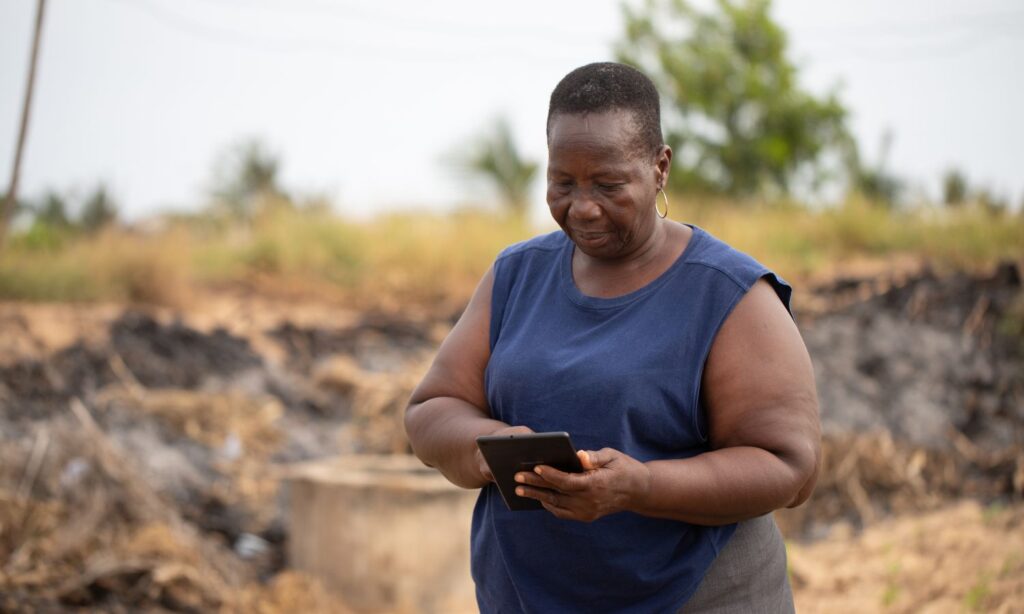
AI tools have the potential to close the gender gap for women farmers. Women contribute around 40% of all agricultural labour but achieve around 23% less productivity compared to men. This is due to many constraints, from a lack of access to credit, inputs, and land, to gender norms that prevent women from accessing agricultural knowledge, skills, and tools.
Advancing gender-inclusive agricultural advisory services in Bangladesh
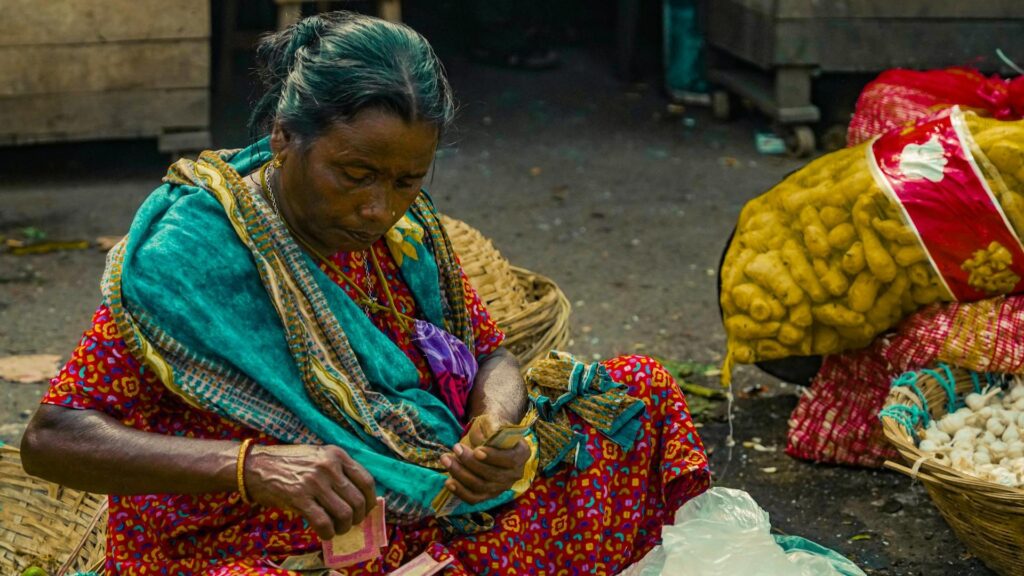
In Bangladesh, agriculture forms the backbone of rural communities. It employs nearly two-thirds of the workforce, many of whom are women. However, the sector faces significant threats from plant health challenges, including devastating crop pests such as invasive fall armyworm. Moreover, the threats disproportionately affect smallholder farmers, especially women. At 58%, women make up an…
Women farmers in Ghana empowered by radio campaign
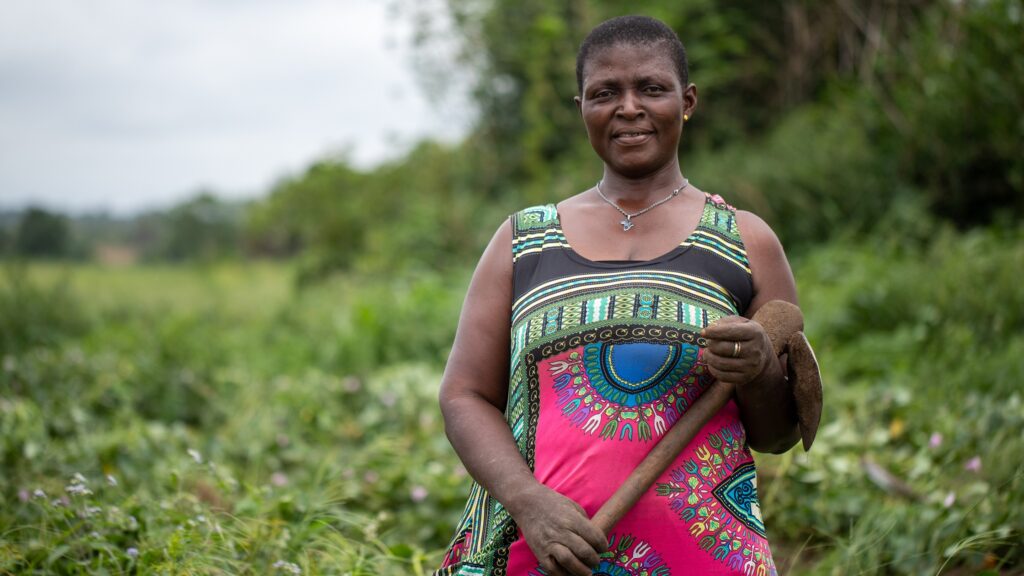
Women farmers in Ghana face significant barriers to accessing agricultural extension services. Many women in low- and middle-income countries face similar challenges. The services are often designed for men and give them an advantage when it comes to farming productivity. Conversely, with a lack of access to extension services, women farmers on average produce 20-30%…
Digital skills training: Enabling access to digital advisory tools for women in Nepal
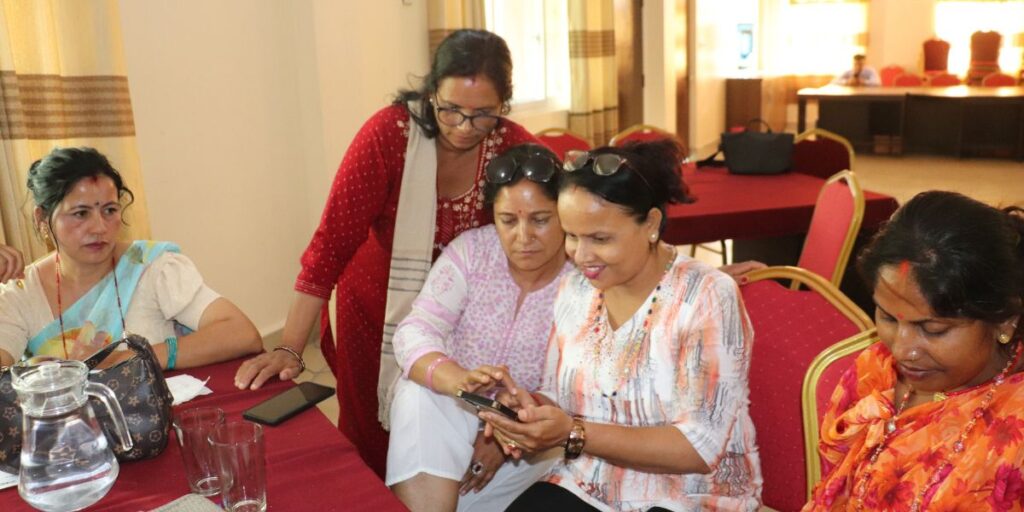
In a world where digital solutions are rapidly transforming agriculture, too many women, especially in rural areas, remain on the periphery of this revolution. This was evident during the promotion of CABI digital tools in Nepal, where we noticed that many smallholder farmers, particularly women, lacked the digital skills needed to access and use information…
Male champions of gender equality – how are they supporting women’s empowerment in Zambia?
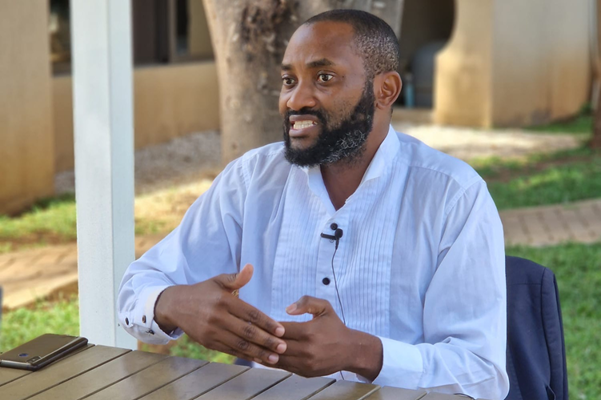
Male champions of gender equality are helping to empower women in Zambia. Meet Sibajene Mudenda – an agricultural economist with the Zambia Agriculture Research Institute (ZARI). He is a strong advocate of women’s empowerment and a male champion of gender equality. Until now, he has concentrated on applying technology in agriculture. But recently, to complement…
Women farmers in Uganda: Plant clinic challenges and progress
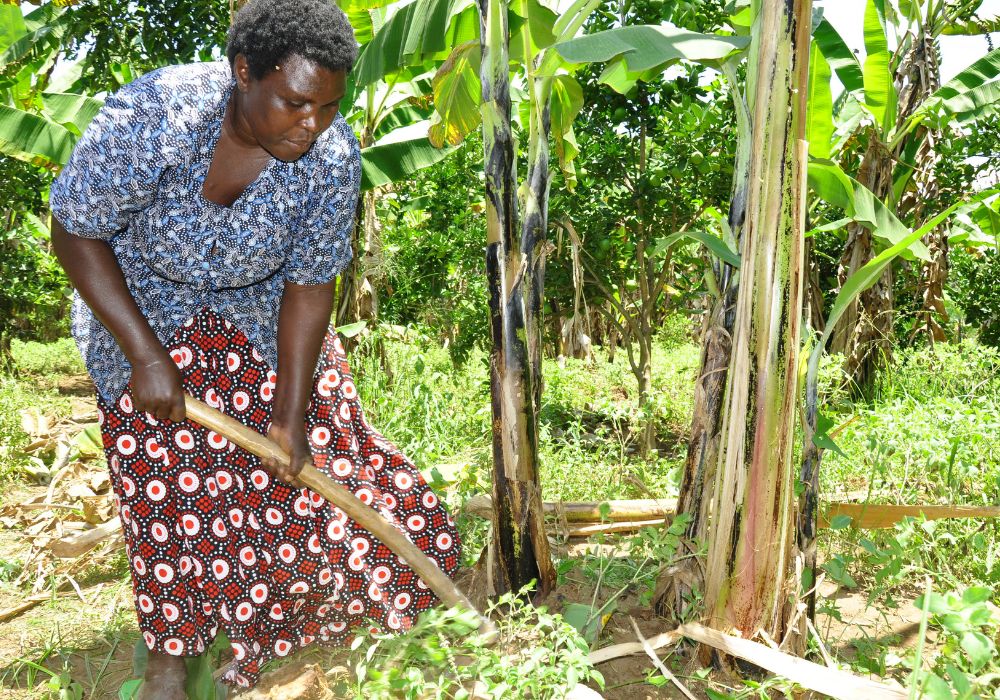
When women play a greater role in agriculture, food security improves, and entire communities benefit. Yet, despite comprising around 43% of the rural agricultural workforce, women often face significant barriers to accessing the agricultural services they need to thrive. This includes advisory services, such as plant clinics, which support farmers in managing pests and diseases…
Empowering women farmers through Gender Technical Working Groups
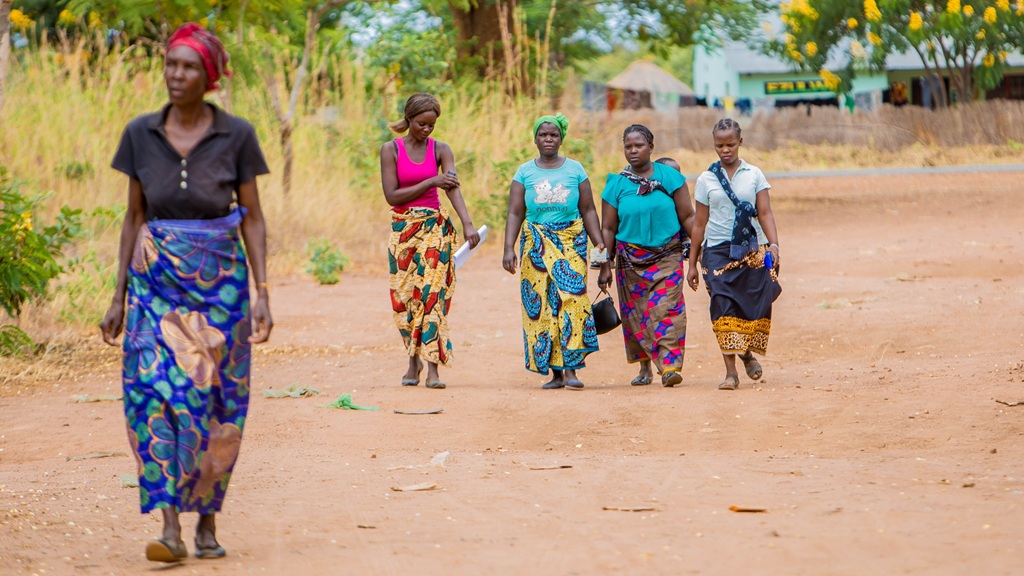
How PlantwisePlus is championing gender equality in agriculture through GTWGs Gender Technical Working Groups play a vital role in advancing equality in rural communities. Women in villages often have less access to knowledge, resources and power than men. They are less likely to be able to attend agricultural training. In addition, many struggle to secure…
The power of street theatre – a novel approach to sharing farming know-how
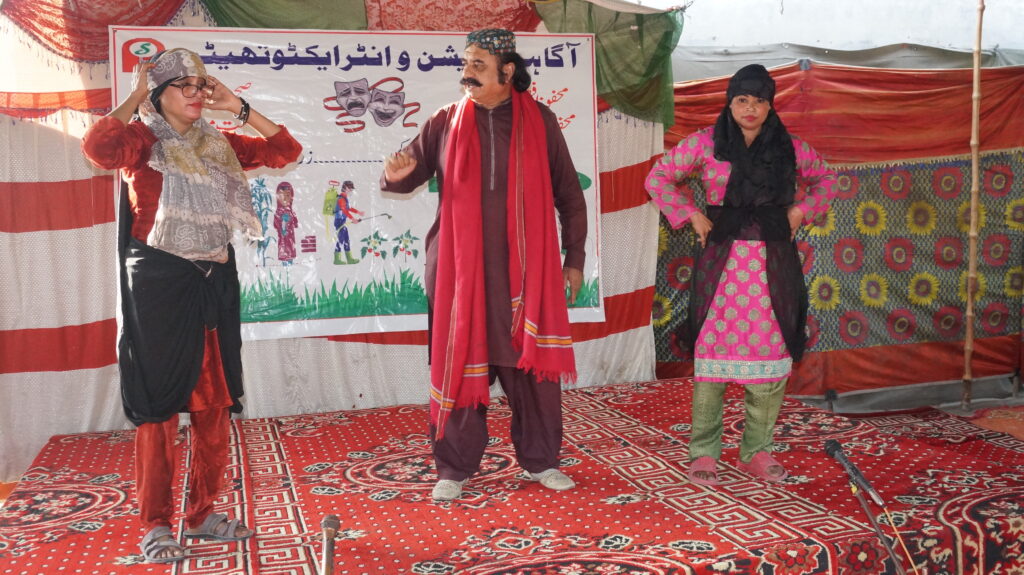
Agriculture is the backbone of Pakistan’s economy. However, many farmers lack access to crucial knowledge about sustainable practices. This is especially true for women. While women form around 66% of the agricultural workforce in Pakistan, they receive a fraction of the extension advice. This poses a challenge when it comes to pesticide risk reduction. In…
Pesticide risks for farmers in Sri Lanka: The overlooked gender divide
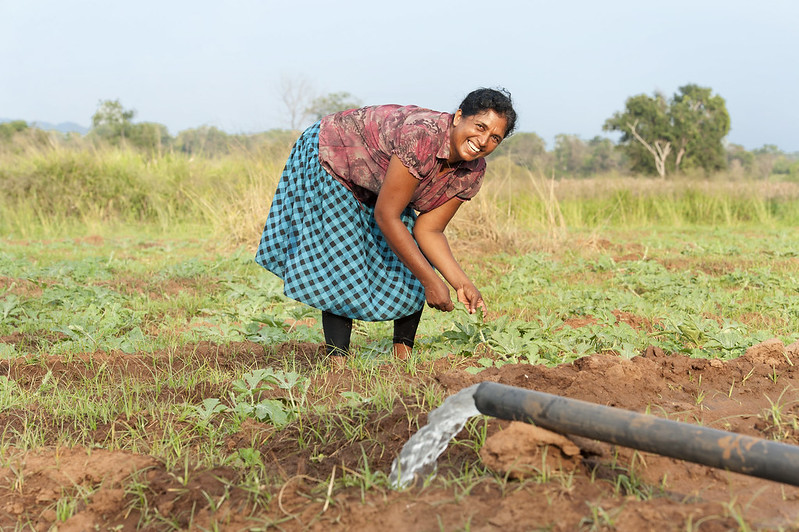
This month marks International Women’s Day. This year’s theme is ‘Accelerate Action’, calling for increased momentum and urgency to address gender barriers such as those to agricultural advice. Empowering women with knowledge and information enables them to reduce pesticide risks more effectively and swiftly. In this blog, we look at pesticide risks for women farmers in…