
Women farmers in Uganda: Plant clinic challenges and progress
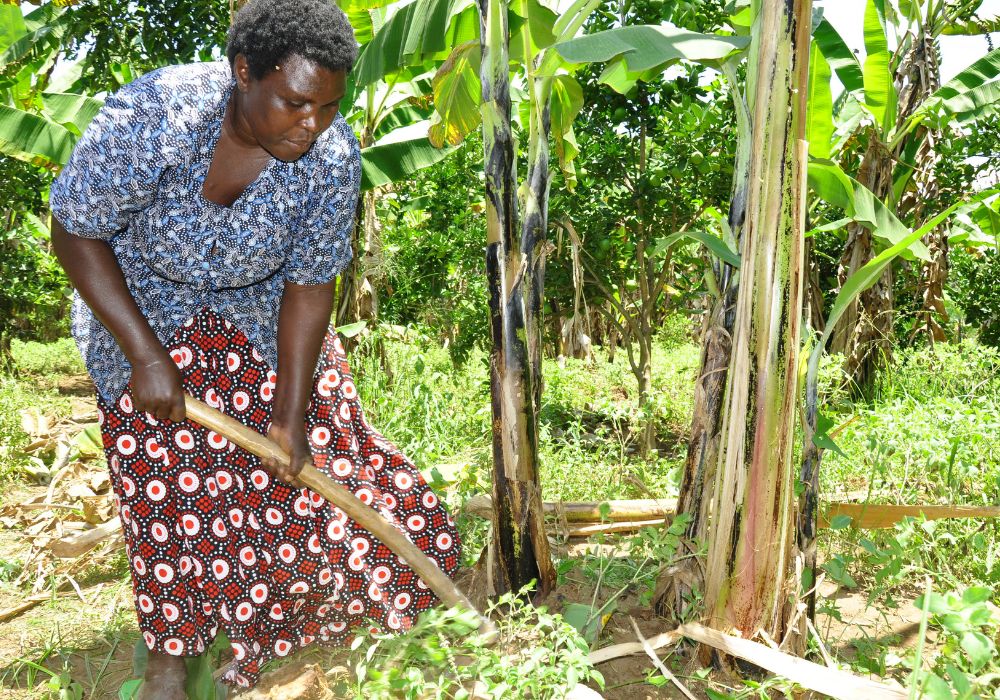
When women play a greater role in agriculture, food security improves, and entire communities benefit. Yet, despite comprising around 43% of the rural agricultural workforce, women often face significant barriers to accessing the agricultural services they need to thrive. This includes advisory services, such as plant clinics, which support farmers in managing pests and diseases…
“Use of any pesticide comes with some risk, but this risk can be reduced”
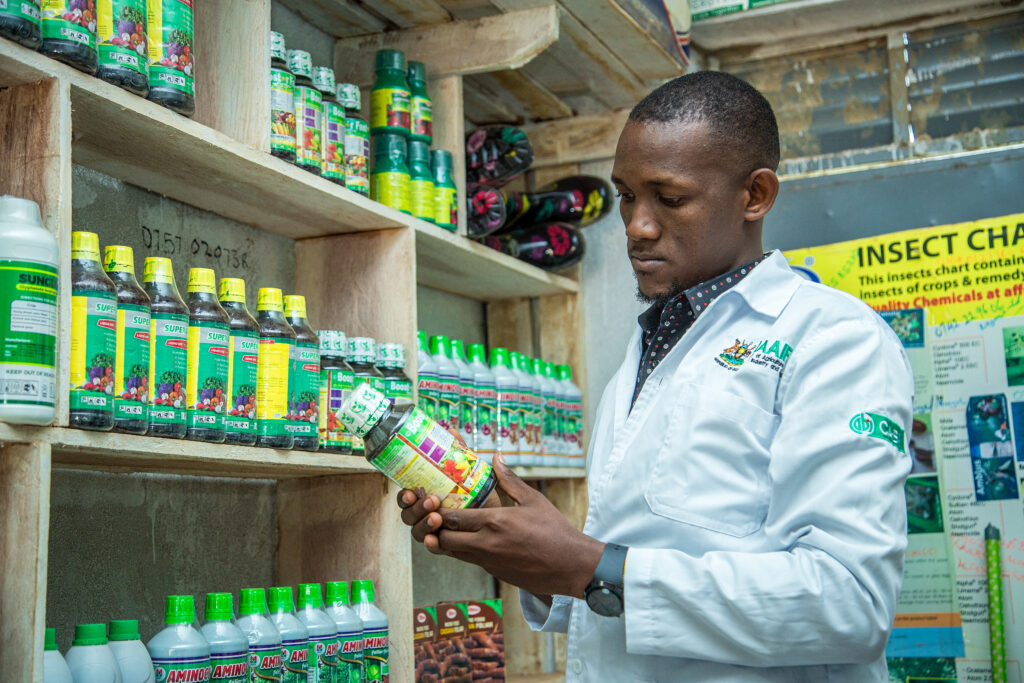
Pesticides are a widely used pest management option. However, if applied incorrectly, they can pose serious risks to human health, ecosystems, and food safety. From farm workers and consumers to pollinators and waterways, the impacts of unsafe pesticide use can be far-reaching.
Empowering women farmers in Pakistan with pest control knowledge
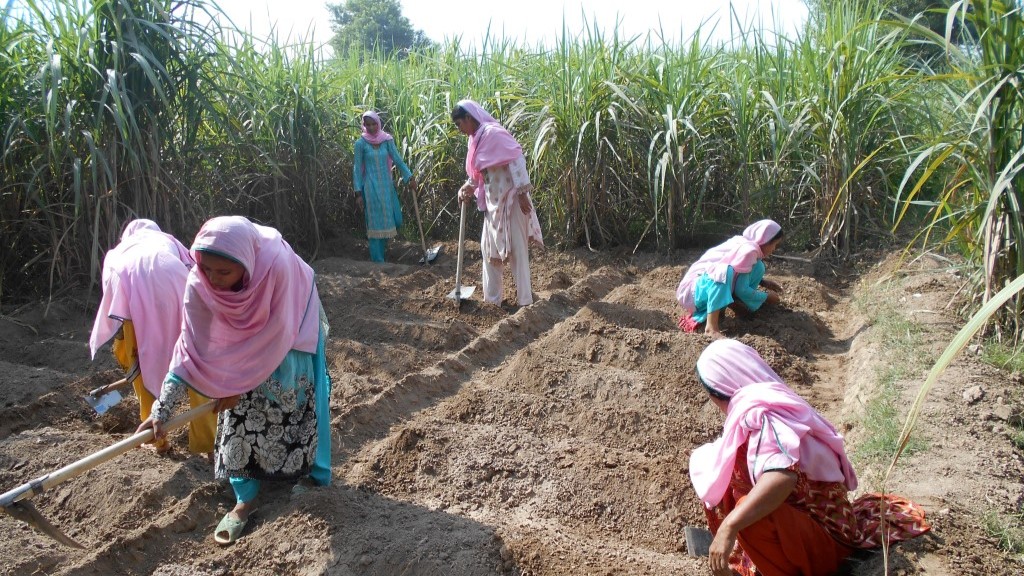
Women farmers in Pakistan play a central role in the country’s economy. However, many struggle to access essential information about sustainable farming approaches. Women make up nearly 66% of the agricultural workforce in Pakistan. Yet they receive very little agricultural extension advice. This lack of support creates serious challenges, particularly when it comes to managing…
The power of street theatre – a novel approach to sharing farming know-how
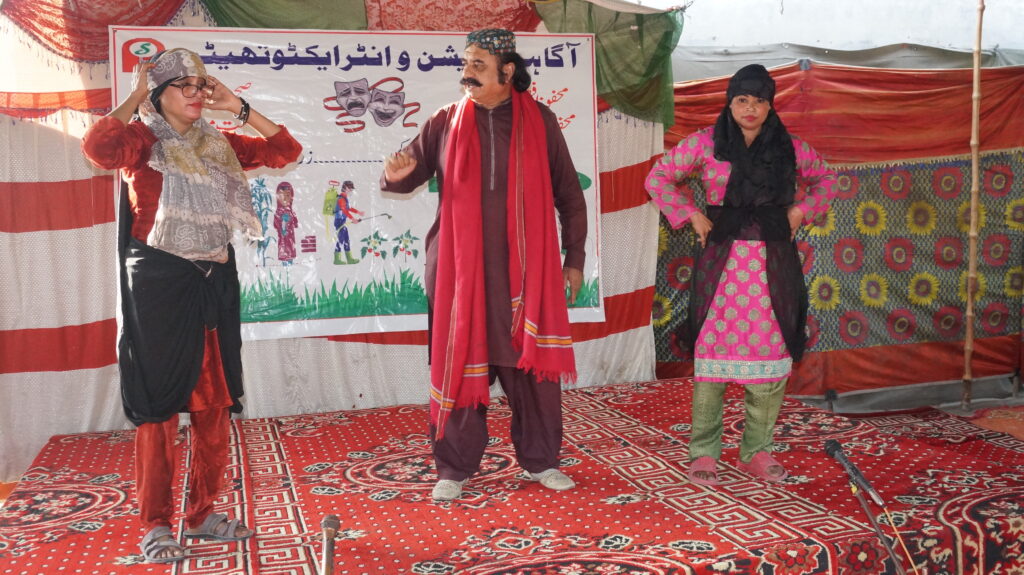
Agriculture is the backbone of Pakistan’s economy. However, many farmers lack access to crucial knowledge about sustainable practices. This is especially true for women. While women form around 66% of the agricultural workforce in Pakistan, they receive a fraction of the extension advice. This poses a challenge when it comes to pesticide risk reduction. In…
How agro-dealer training in Uganda is reducing pesticide risks and making farming safer
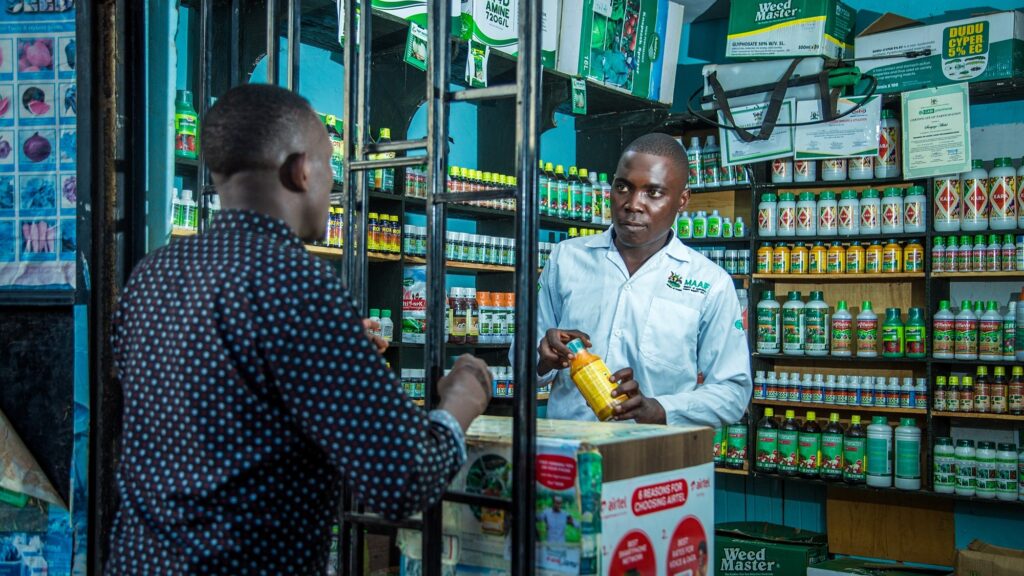
Agro-dealers can play a critical role in sharing knowledge about pesticide safety and biopesticides. Misusing chemical pesticides harms farmers, consumers, animals and the environment. However, safe handling of pesticides and the use of nature-based alternatives help to reduce these risks. Nevertheless, many farmers lack access to relevant information. It has been estimated that less than…
Meet Florence Malemba, the virtual plant doctor reaching more farmers through video
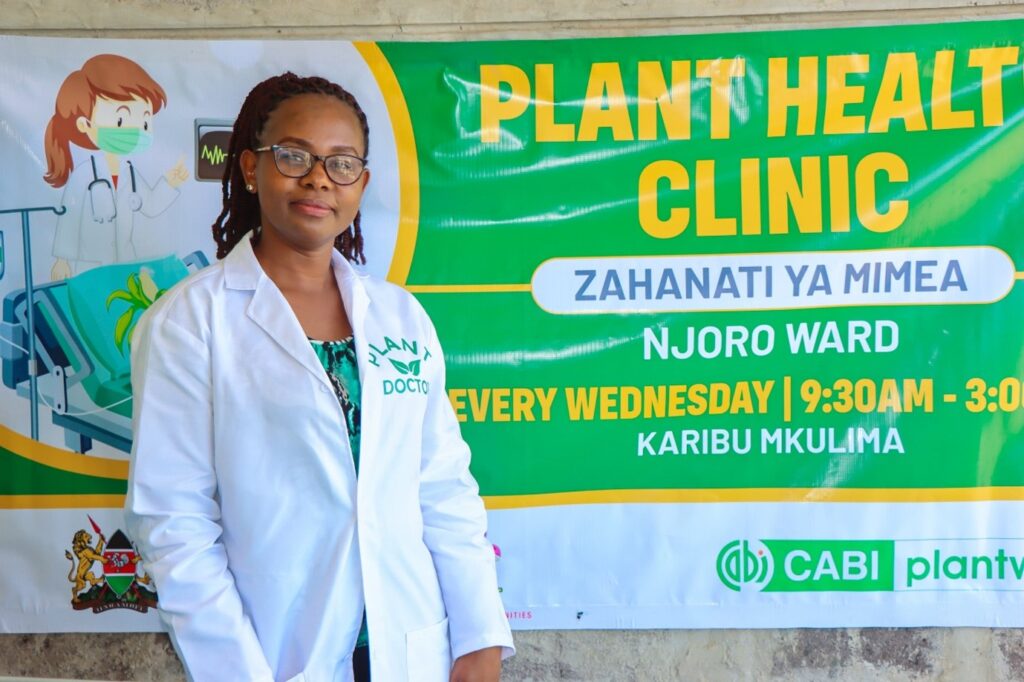
Even from afar, it’s easy to spot Florence Malemba. She’s wearing a white lab coat labelled “Plant Doctor”, and a banner hangs behind where she’s organizing her equipment, ready to assist her farmer-patients of the day. Florence is setting up her plant clinic in Njoro, an agricultural town southwest of Nakuru City, Kenya.
Pakistan launches agri-journalist forum to promote sustainable farming

Pakistan’s media has taken a significant step towards raising awareness on pesticide risks and sustainable farming with the launch of the country’s first Agri-journalist forum. It came alongside a series of media interventions and awareness raising activities led by CABI’s PlantwisePlus programme. The forum aims to strengthen the flow of knowledge on sustainable farming and…
Safer pesticide use: Voluntary standard for agro-dealers launched in China
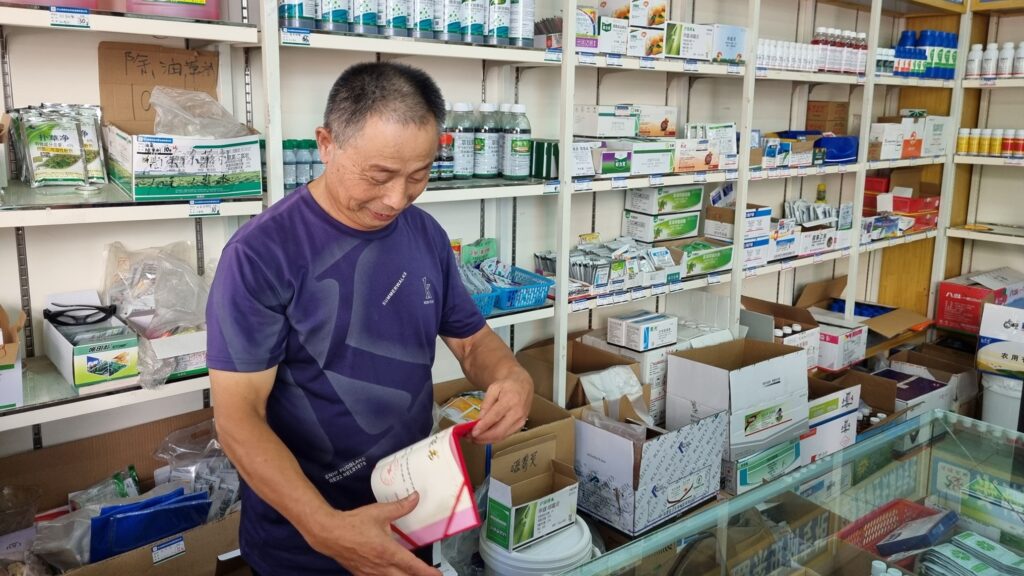
On December 26, 2024, Sichuan Province launched a significant initiative: the “Establishment Specification for IPM Promotion Pesticide Stores.” Written in collaboration with local partners and PlantwisePlus, including CABI’s Dr Min Wan, this new voluntary standard aims to reform agro-shop operations in China. Starting January 1, 2025, it promotes safer pesticide use aligned with Integrated Pest…
Empowering agro-dealers: A toolkit for safer and sustainable farming in Uganda

PlantwisePlus has reached a milestone in relations with the government of Uganda. On 14 November, the programme handed over a training toolkit for a module on lower-risk plant protection products to the Ministry of Agriculture, Animal Industry and Fisheries (MAAIF). A team collaboratively developed the resource to help train Uganda’s agro-dealers. It forms part of…
Bolivia’s plant clinics help train the next generation of agricultural advisors

Este blog también está disponible en español. Farmers in Bolivia face significant challenges, including diverse climate conditions, limited access to water, and crop pests and diseases. These issues are further compounded by rural labour shortages as young people migrate to urban areas, leaving fewer hands to sustain traditional farming practices. Access to agricultural advice and…