
Smelling plant diseases: New technology identifies plant diseases remotely in the field

Researchers at North Carolina State University have published an exciting study on a novel technology which allows farmers and extension workers to identify plant diseases remotely in the field using airborne chemical fingerprints. The newly developed handheld sensory device, which can be plugged into a smartphone, samples the airborne levels of volatile organic compounds (VOCs)…
Biological controls viable alternative to pesticides for rice farmers in China

Between 2011 and 2015, CABI set up 22 Trichogramma rearing facilities as part of a project to promote the use of biologically-based Integrated Pest Management (IPM) for rice and maize crops. In addition to creating the Trichogramma rearing facilities, IPM strategies for rice and maize were developed in Southwestern China, Laos and Myanmar.
Update: New Pest & Disease Records (05 August 2019)
We’ve selected a few of the latest new geographic, host and species records for plant pests and diseases from CAB Abstracts. Records this month include a report on the honey locust podgall midge (Dasineura gleditchiae) in Ireland, a report population fluctuations of fruit flies in guava orchards and a report on a new record of Helopeltis…
Crop-devastating pests in Rwanda to be targeted with space-age technology from PRISE programme

Pests, which threaten to destroy key cash and food security crops including maize, tomato and beans, are to be prioritized as part of an integrated pest management strategy using state-of-the-art space-age technology. Scores of smallholder farmers in Rwanda are the latest to benefit from the CABI-led consortium, funded by the UK Space Agency and the Global Challenges Research…
COSMIC: Workshop to develop locust management tools in China

Grassland habitats play an important ecological and economic role in Inner Mongolia, China. The primary threats to this ecosystem are grasshoppers and locusts, which are major pest insects across China. There are currently a range of monitoring and management strategies in place to control and reduce the damage caused by these pest species. However, successful…
CABI calls for greater investment in food security programmes to help stem global rise in hunger

CABI is today calling for greater investment in food security programmes to help stem the global rise in hunger following the publication of a UN report which says more than 820 million people worldwide are still going hungry. The report, from the UN Food and Agriculture Organization (FAO), the International Fund for Agricultural Development (IFAD), the UN Children’s Fund (UNICEF), the World Food Programme (WFP)…
Aerobotics: Supporting precision agriculture across Africa
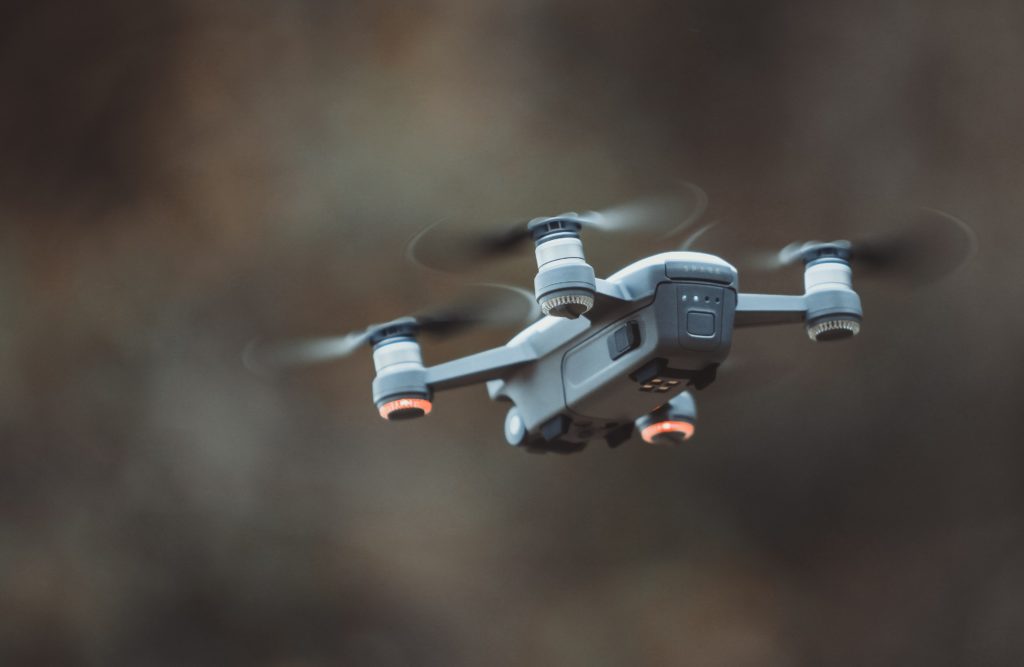
Aerobotics, a Cape Town-based agritech startup company has recently partnered with the South African Federation of Agricultural Organisations (AgriSA) to launch a free data service for farmers using a range of spectral imaging technology. As a company, Aerobotics specialises in farm monitoring processes using a number of modern spectral imaging technologies, including satellite and drone…
Update: New Pest & Disease Records (06 July 2019)
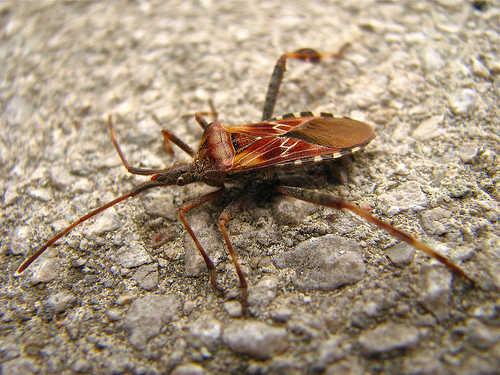
This month’s pest alerts include the first reports in Zakopane, Poland of the western conifer seed bug Leptoglossus occidentalis and Sceliphron destillatorium (© Pexels) We’ve selected a few of the latest new geographic, host and species records for plant pests and diseases from CAB Abstracts. Records this month include new species of Hexamermis Steiner parasitizing Epilachna paenulata in Argentina, the…
CABI collaborates on new research which suggests crop pests more widespread than previously known

Insects and diseases that damage crops are probably present in many places thought to be free of them, new research shows. Pests that have not been reported in a certain area are usually assumed to be absent, but analysis by the University of Exeter shows many pests are “currently unobserved, but probably present” (a likelihood…
Farmers in Malawi to benefit from space-age technology in fight against devastating crop pests

Farmers in Malawi are the latest to benefit from a CABI-led consortium, funded by the UK Space Agency, which is providing a Pest Risk Information Service (PRISE) to fight pest outbreaks that could devastate crops and livelihoods across the country. The service, which uses state-of-the-art technology to help inform farmers in sub-Saharan Africa – including Zambia, Ghana and…