
Training Sri Lanka’s agro-dealers in pesticide risk reduction
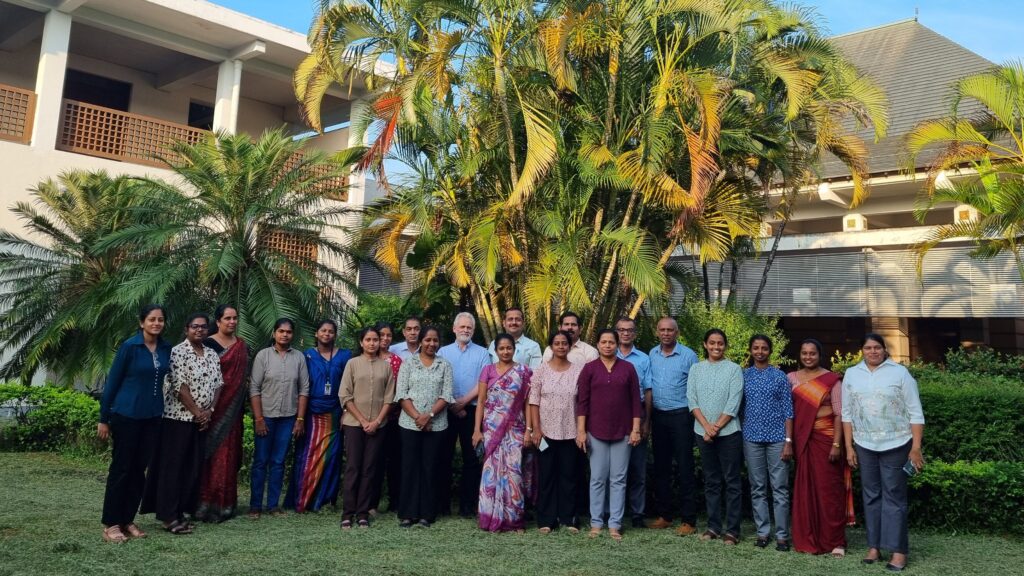
Agro-dealers provide vital support to Sri Lanka’s farmers. These agricultural input suppliers are often the first point of contact for smallholders who need advice on plant protection products. However, agro-dealers often lack formal training in safer pesticide use and pesticide alternatives. This can lead to the misuse of agro-chemicals, environmental harm, and health risks for…
The role of soil health in sustainable agriculture
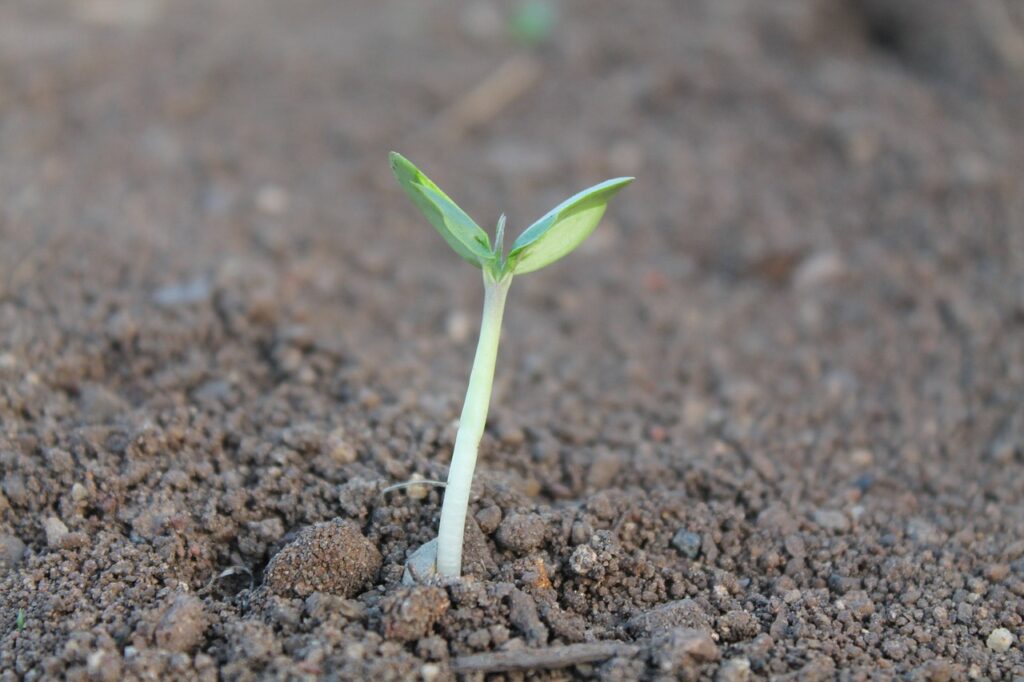
Previously, we have discussed the importance of soil health for agriculture, highlighting its threats and outlining protection strategies. In this blog, we dig deeper into the role of soil health in sustainable agriculture and explore its long-term benefits. With almost half the world’s surface used for agriculture, it is vital that the land on which…
How does crop rotation help keep pest populations in control?
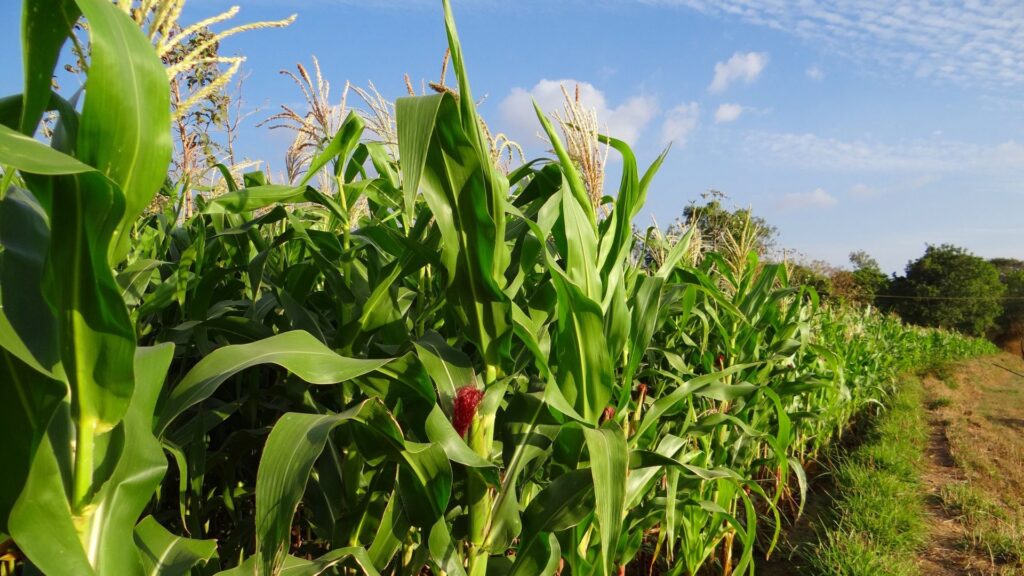
Crop rotation is a simple, effective way to manage pests, improve soil health, and boost yields. Suitable for all growers, crop rotation supports sustainable agriculture and reduces the need for chemical inputs. By targeting pest lifecycles and reducing pest pressure over time, crop rotation helps create more resilient growing systems. Read below to learn more.
Empowering women farmers in Pakistan with pest control knowledge
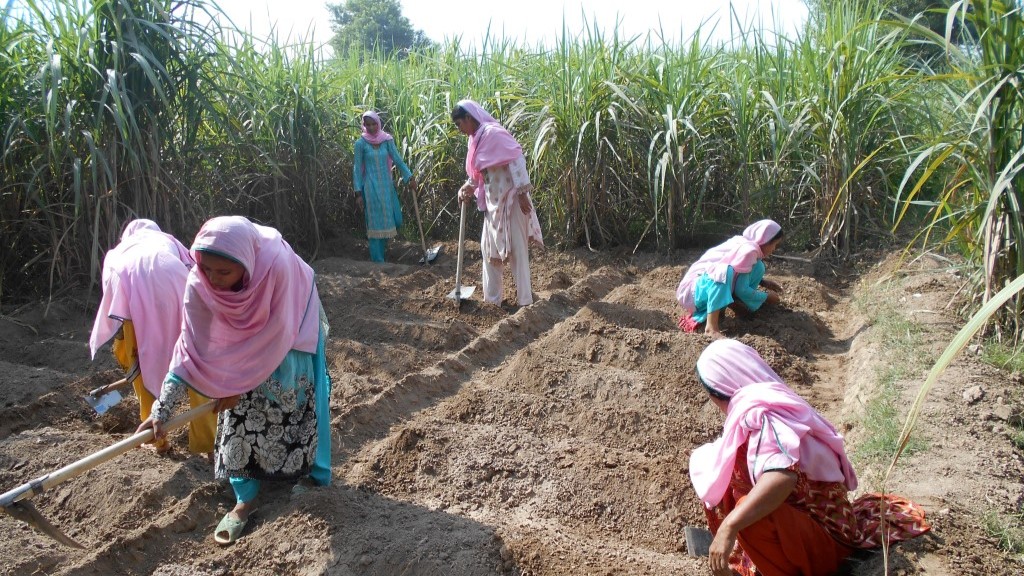
Women farmers in Pakistan play a central role in the country’s economy. However, many struggle to access essential information about sustainable farming approaches. Women make up nearly 66% of the agricultural workforce in Pakistan. Yet they receive very little agricultural extension advice. This lack of support creates serious challenges, particularly when it comes to managing…
Managing mango mealybugs
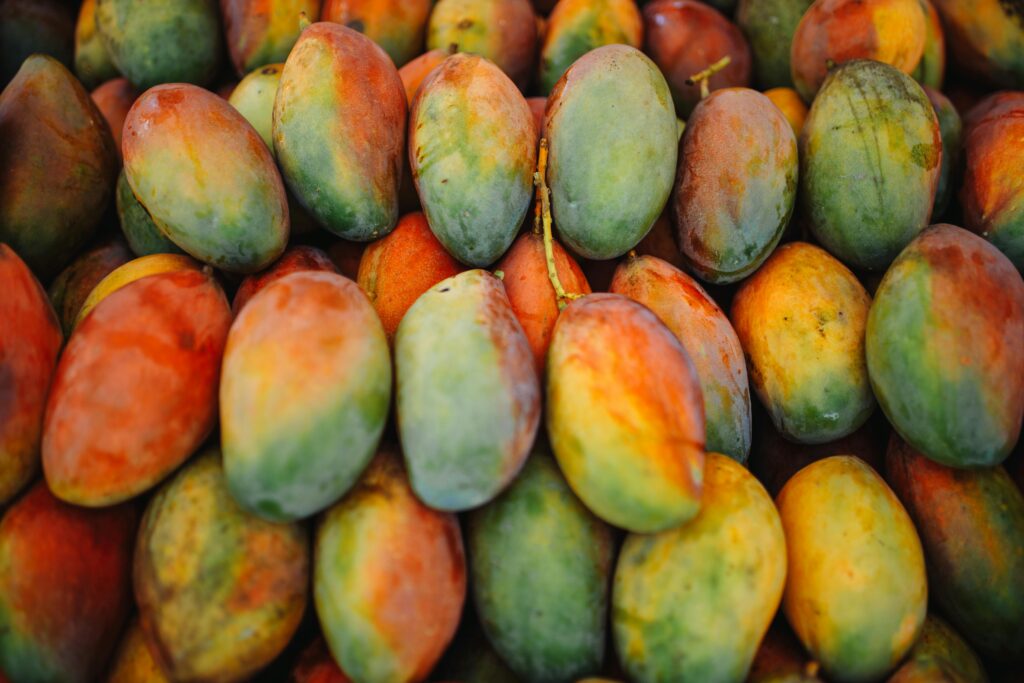
Mango mealybugs are one of the most important insect pests affecting mango production across tropical and subtropical regions in Africa and Asia. These sap-sucking insects not only reduce the quantity and quality of fruit but can also weaken trees over time, leading to long-term production losses. Several species fall under the broad category of “mango…
Empowering women farmers through Gender Technical Working Groups
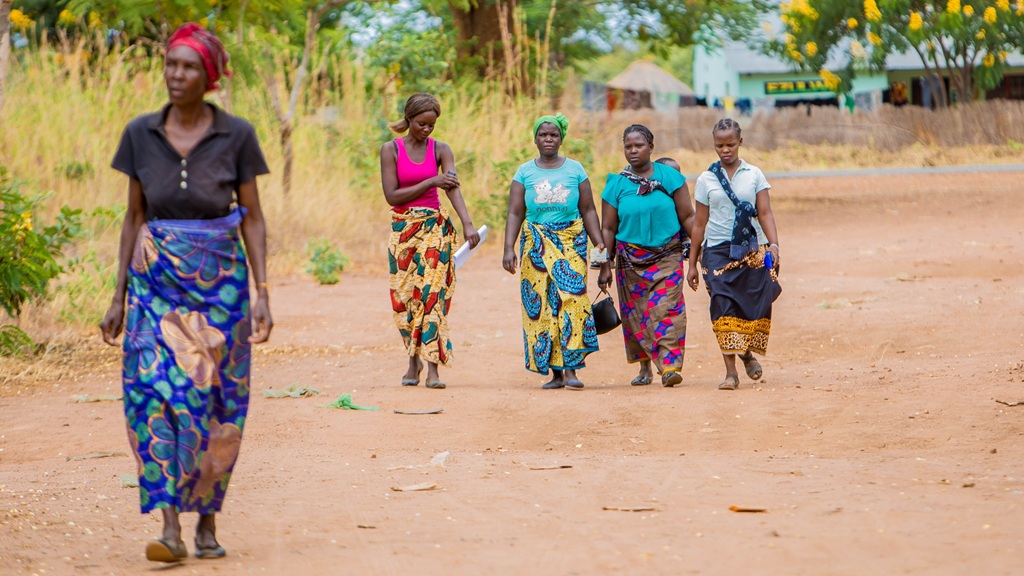
How PlantwisePlus is championing gender equality in agriculture through GTWGs Gender Technical Working Groups play a vital role in advancing equality in rural communities. Women in villages often have less access to knowledge, resources and power than men. They are less likely to be able to attend agricultural training. In addition, many struggle to secure…
Horizon scanning for climate-driven pest threats can prevent biodiversity loss
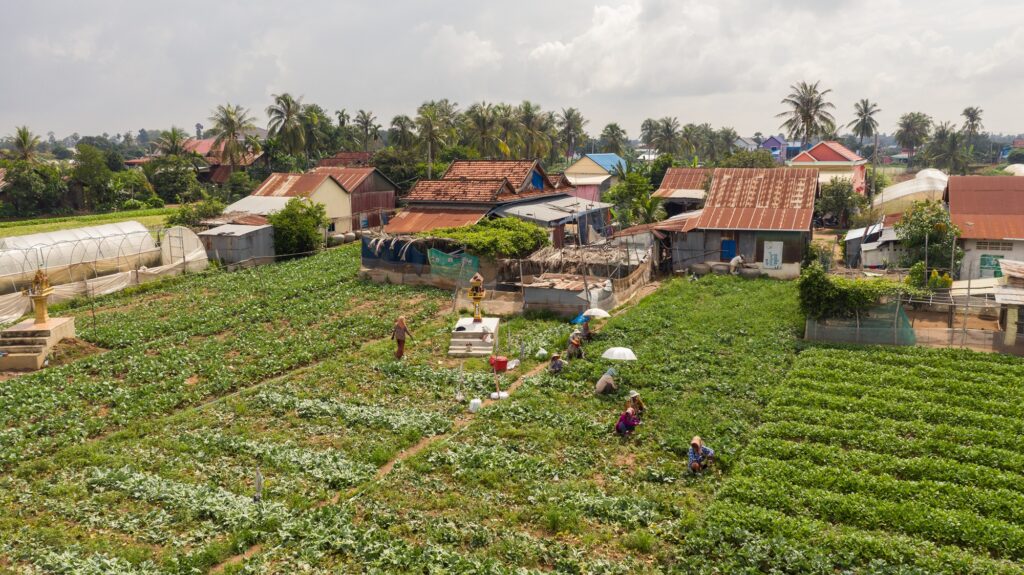
On International Day for Biological Diversity, CABI’s Dr MaryLucy Oronje looks at horizon scanning and pest preparedness – approaches that help prevent the spread of invasive species, a major threat to biodiversity. Horizon scanning for invasive pests is crucial for preventing biodiversity loss. The early identification and assessment of emerging threats allow ecosystems to be…
‘Sowing the seeds’ for food security in Uganda: CABI supports training for Quality Declared Seed production
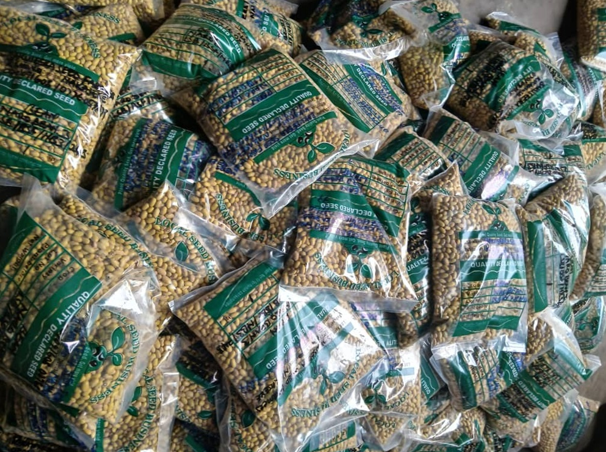
CABI has been working with Zirobwe Agali-Awamu Agribusiness Training Association (ZAABTA), the Ministry of Agriculture, Animal Industry and Fisheries (MAAIF), the National Agricultural Research Organisation (NARO), and Integrated Seed Sector Development (ISSD) in Uganda to help smallholder farmers meet standards for Quality Declared Seed (QDS) production.
The power of street theatre – a novel approach to sharing farming know-how
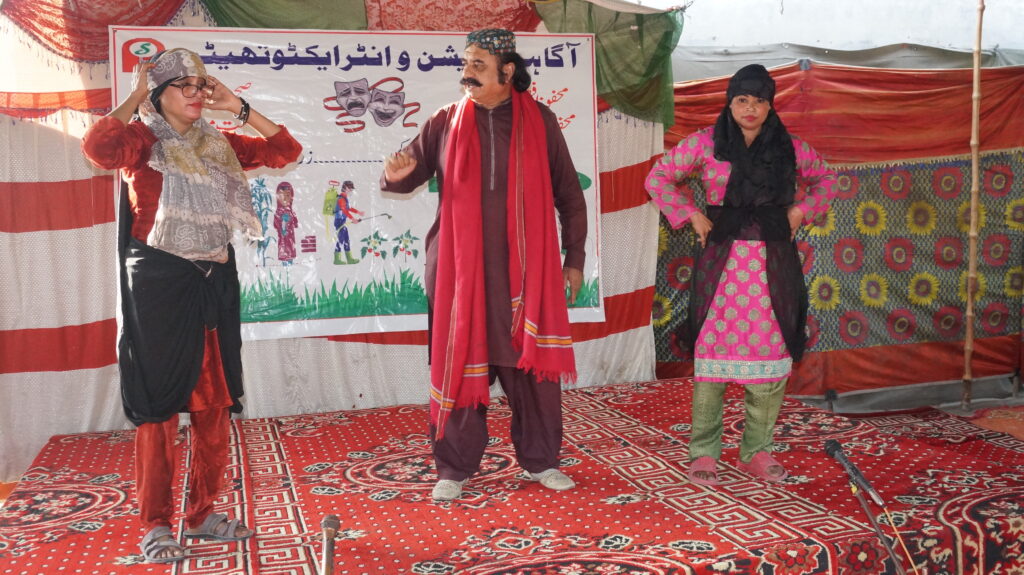
Agriculture is the backbone of Pakistan’s economy. However, many farmers lack access to crucial knowledge about sustainable practices. This is especially true for women. While women form around 66% of the agricultural workforce in Pakistan, they receive a fraction of the extension advice. This poses a challenge when it comes to pesticide risk reduction. In…
Using biocontrol-based integrated pest management to reduce pollinator loss
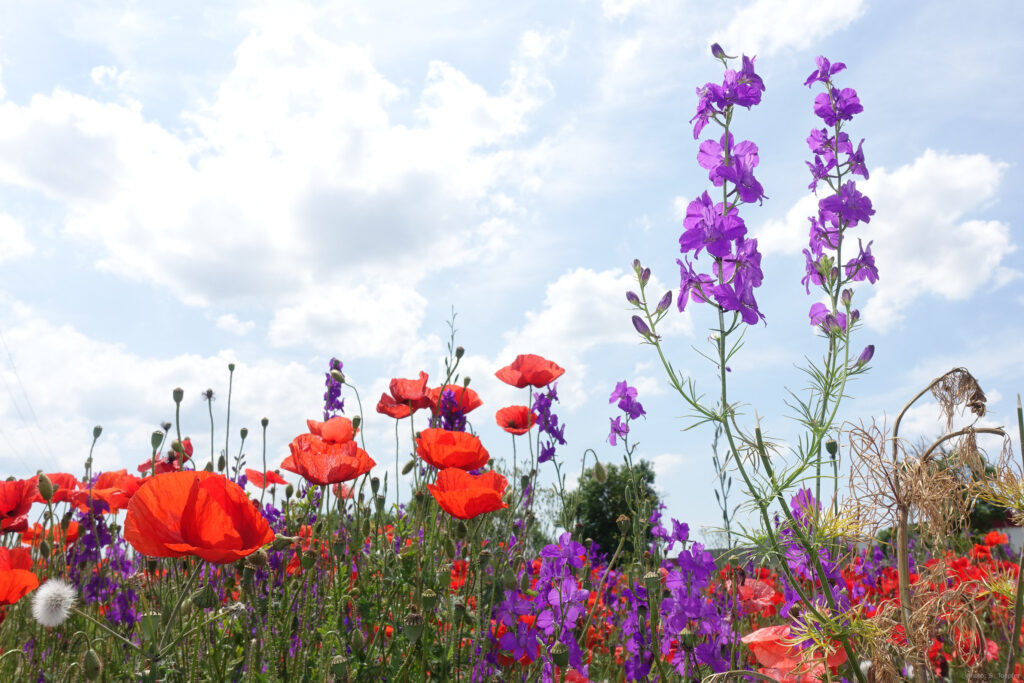
Pollinators, such as bees, bumblebees, butterflies, and some flies, play a crucial role in agricultural ecosystems by facilitating the reproduction of about 80% of our crops. Pollinators assure at least 30% of human’s food production. However, their populations have been heavily declining increasingly compromising food safety. Integrated pest management (IPM) is a more sustainable and…