Over the past decade, CABI has worked in Bangladesh to strengthen national plant health systems, first through Plantwise and since 2021, PlantwisePlus. The programme works with partners to ensure farmers have access to reliable, science-driven crop health advisory services.
Plant clinics and digital support platforms are helping with early detection, diagnosis, and management of crop pests, challenges that continue to threaten food security and farmer livelihoods across the country.
Building expertise through plant doctor training
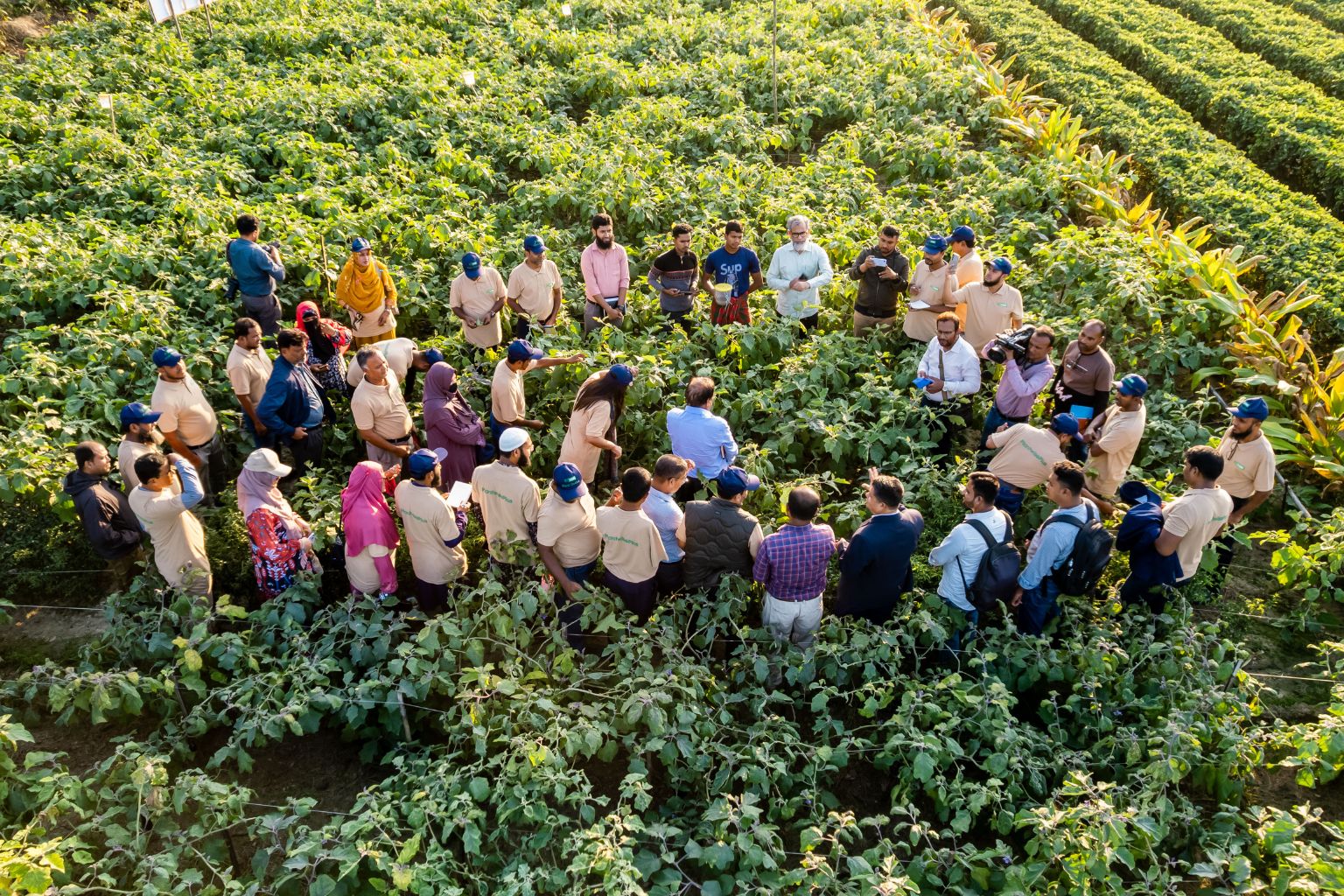
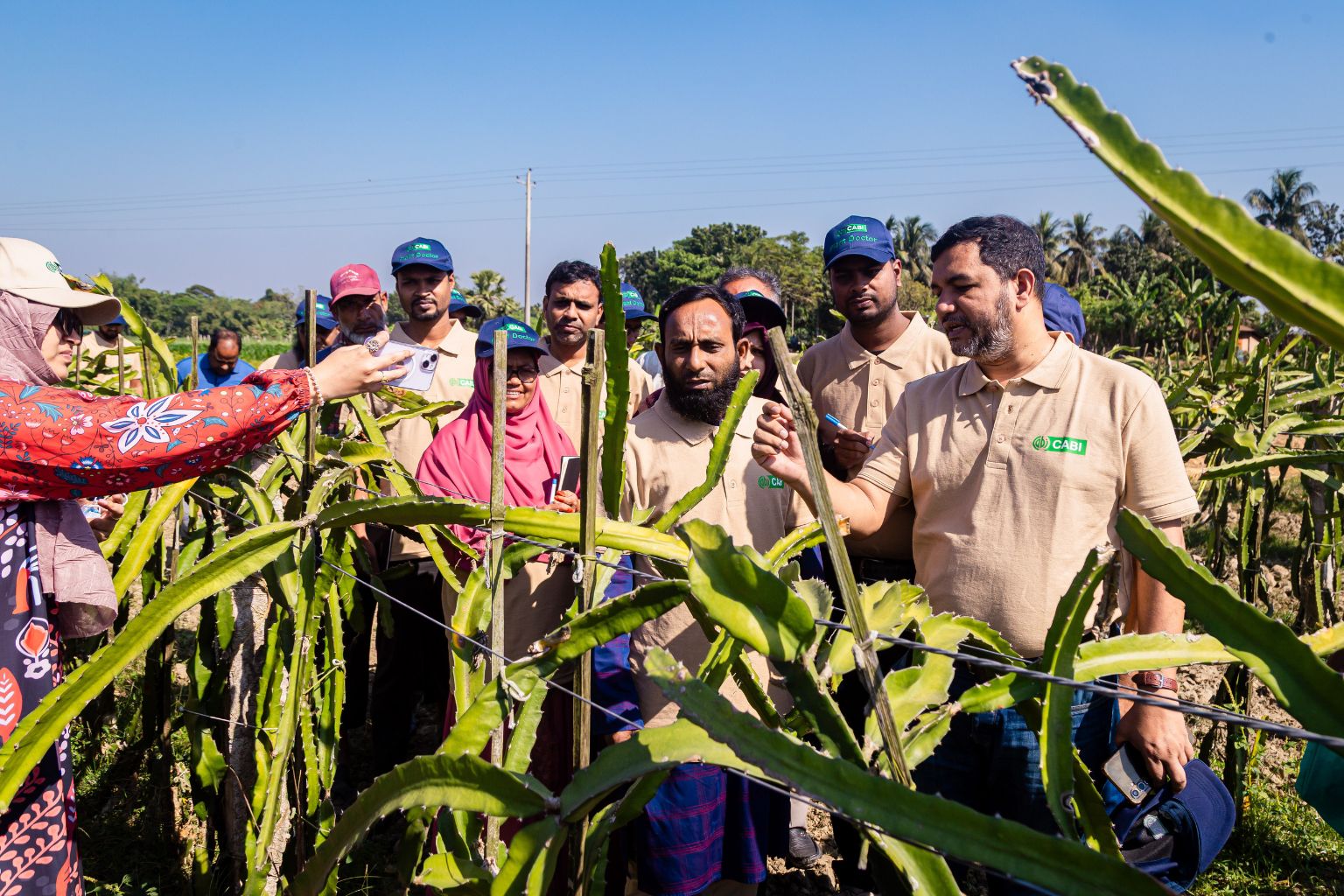
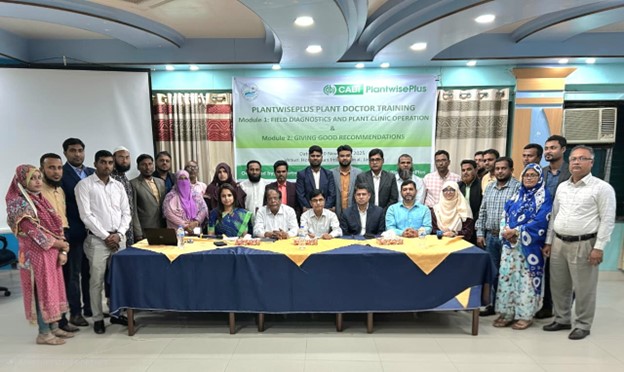
In November 2025, CABI and the Department of Agriculture Extension (DAE) brought together 25 Sub-Assistant Agriculture Officers in Jashore for a comprehensive five-day training program. Participants learned about field diagnostics, plant clinic operations, and how to provide effective recommendations. They spent time in the classroom learning diagnostic techniques, then practiced their new skills in real field conditions with crop samples.
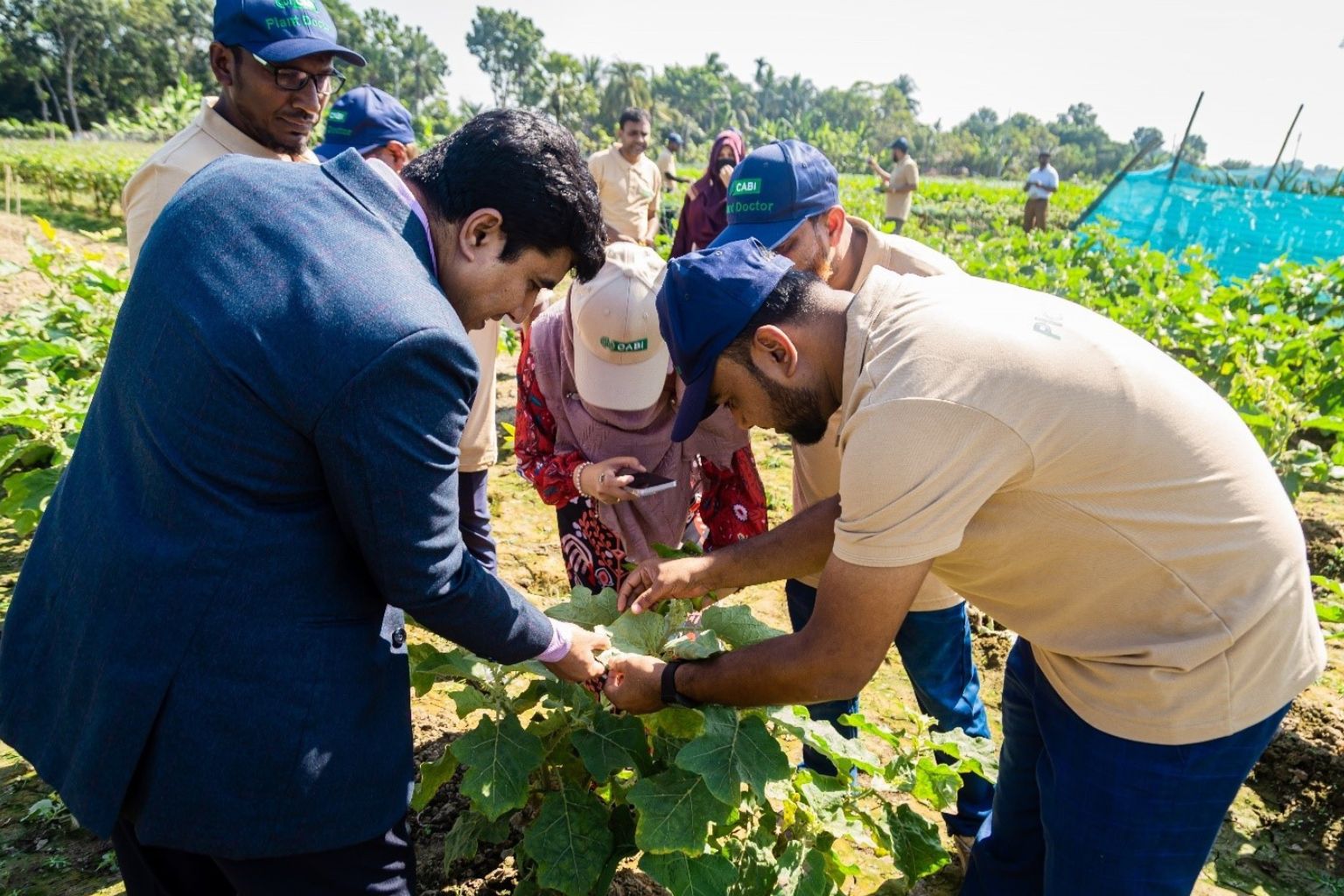
What do plant doctors learn?
A key area of plant doctor training is identifying pests and diseases. However, participants also learn to distinguish among disease symptoms, insect damage, nematode problems, and nutrient deficiencies. They practice using diagnostic tools, websites, and apps such as the PlantwisePlus Knowledge Bank, Data Collection App (DCA). They also learn integrated pest management (IPM) approaches, safe pesticide use, and communication skills. This combined knowledge helps advisors to provide appropriate advice.
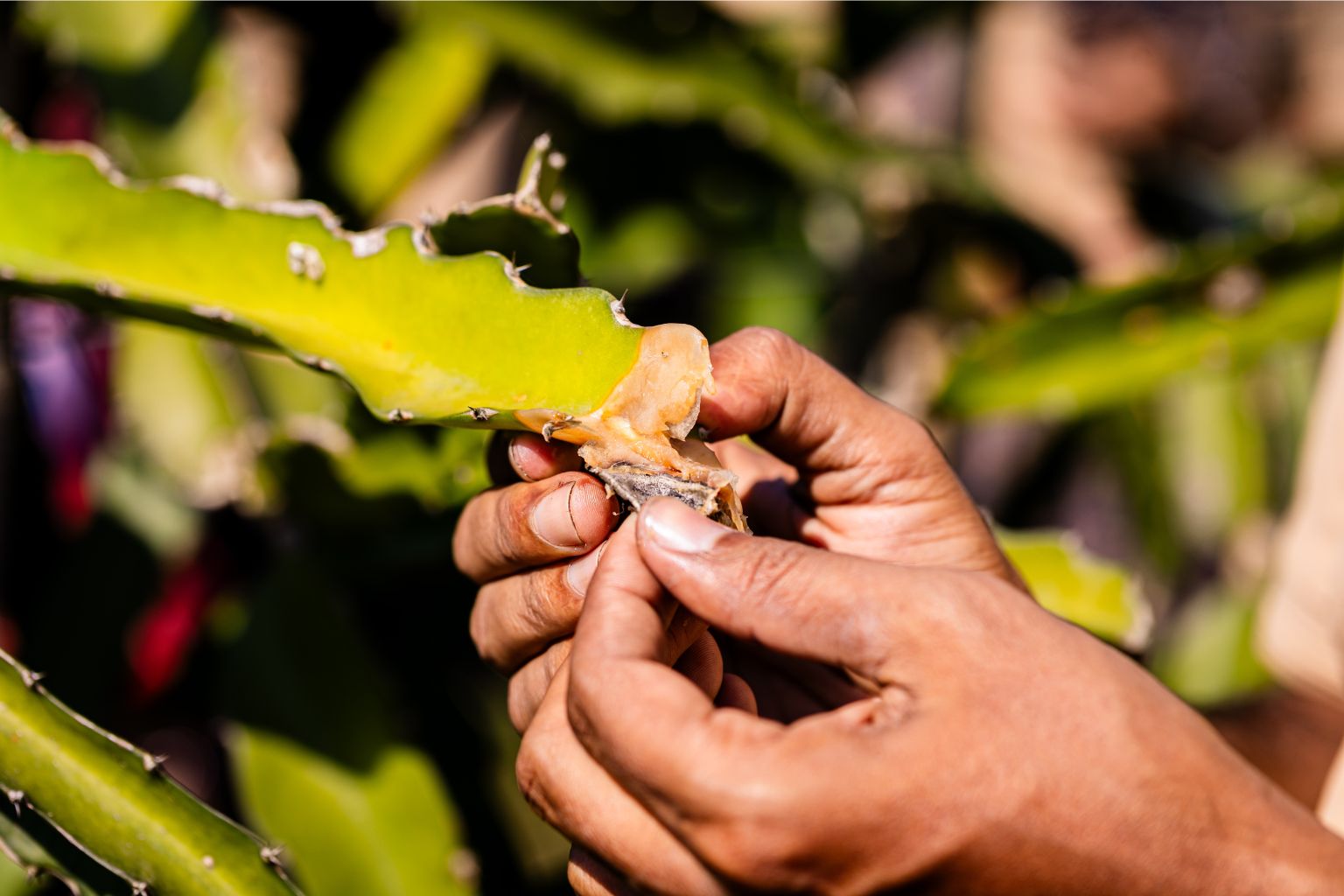
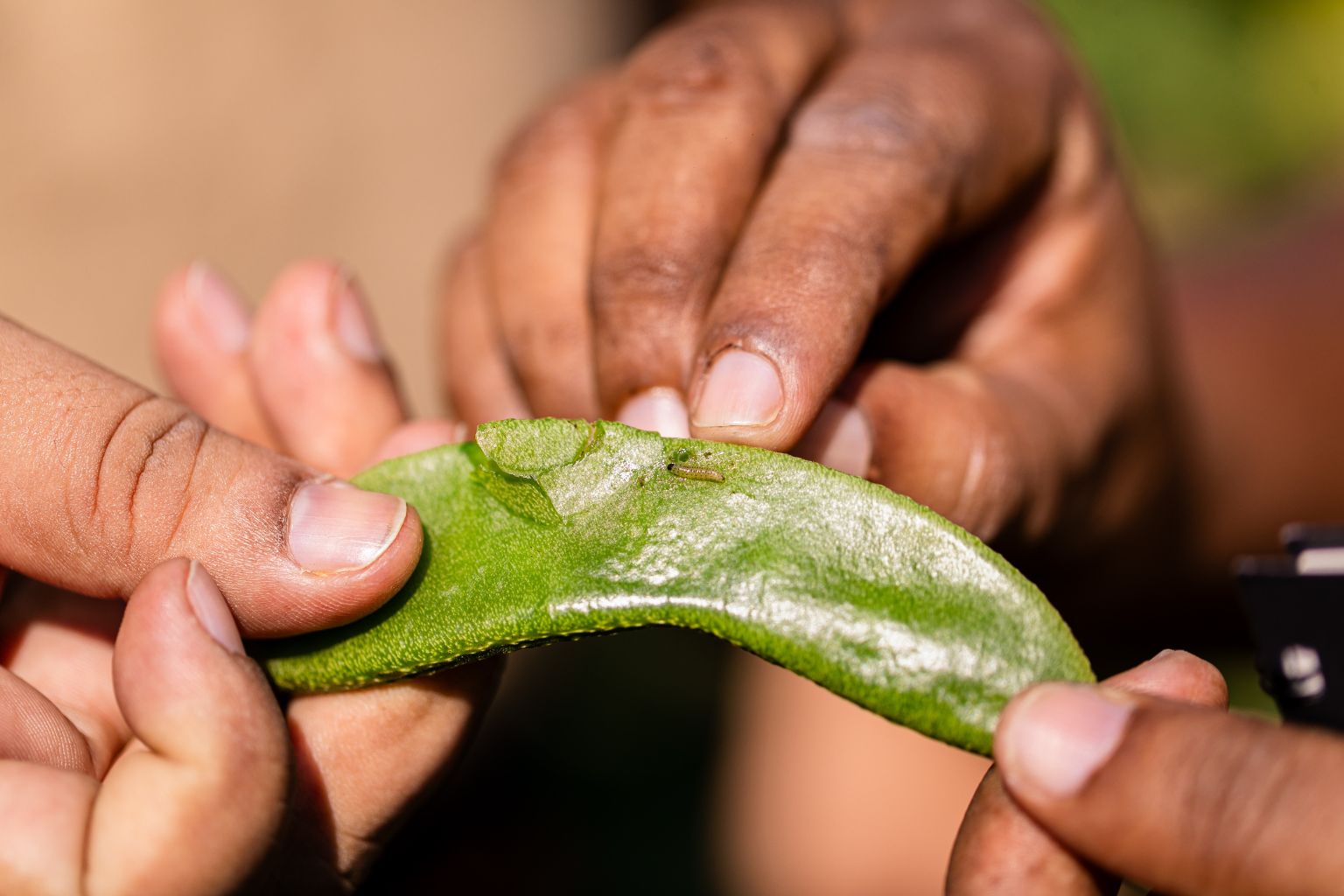
Bangladesh plant clinics in action
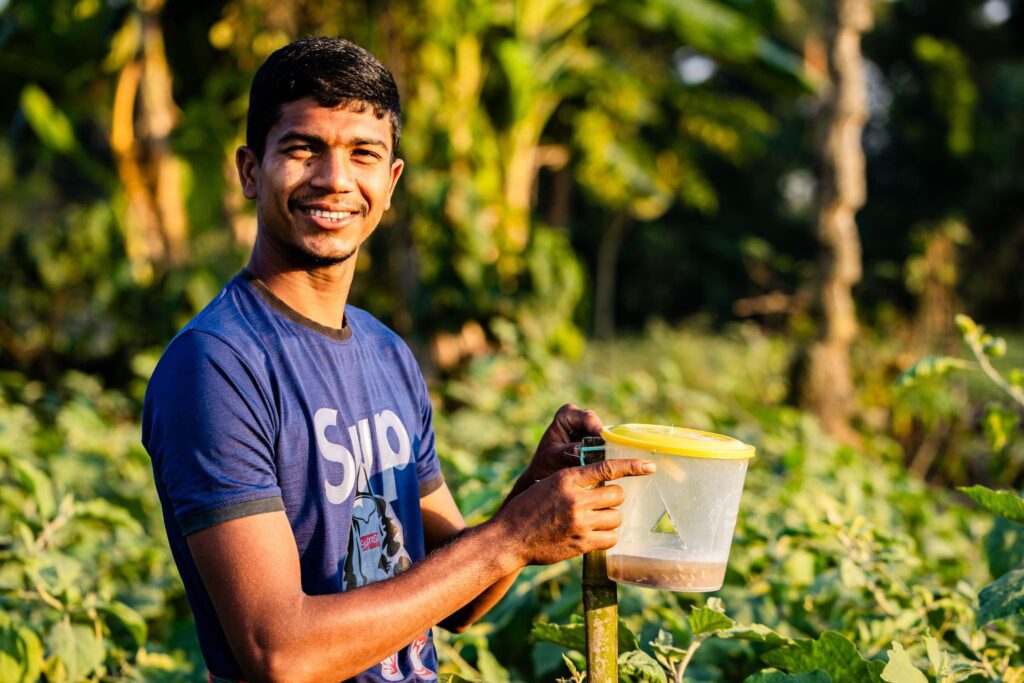
Trained plant doctors run regular advisory sessions where farmers bring crop samples for diagnosis. These clinics take place at local agricultural offices, markets, or community centers, making expert advice accessible. Farmers bring samples of their crop problems and get professional help understanding what’s wrong and what to do.
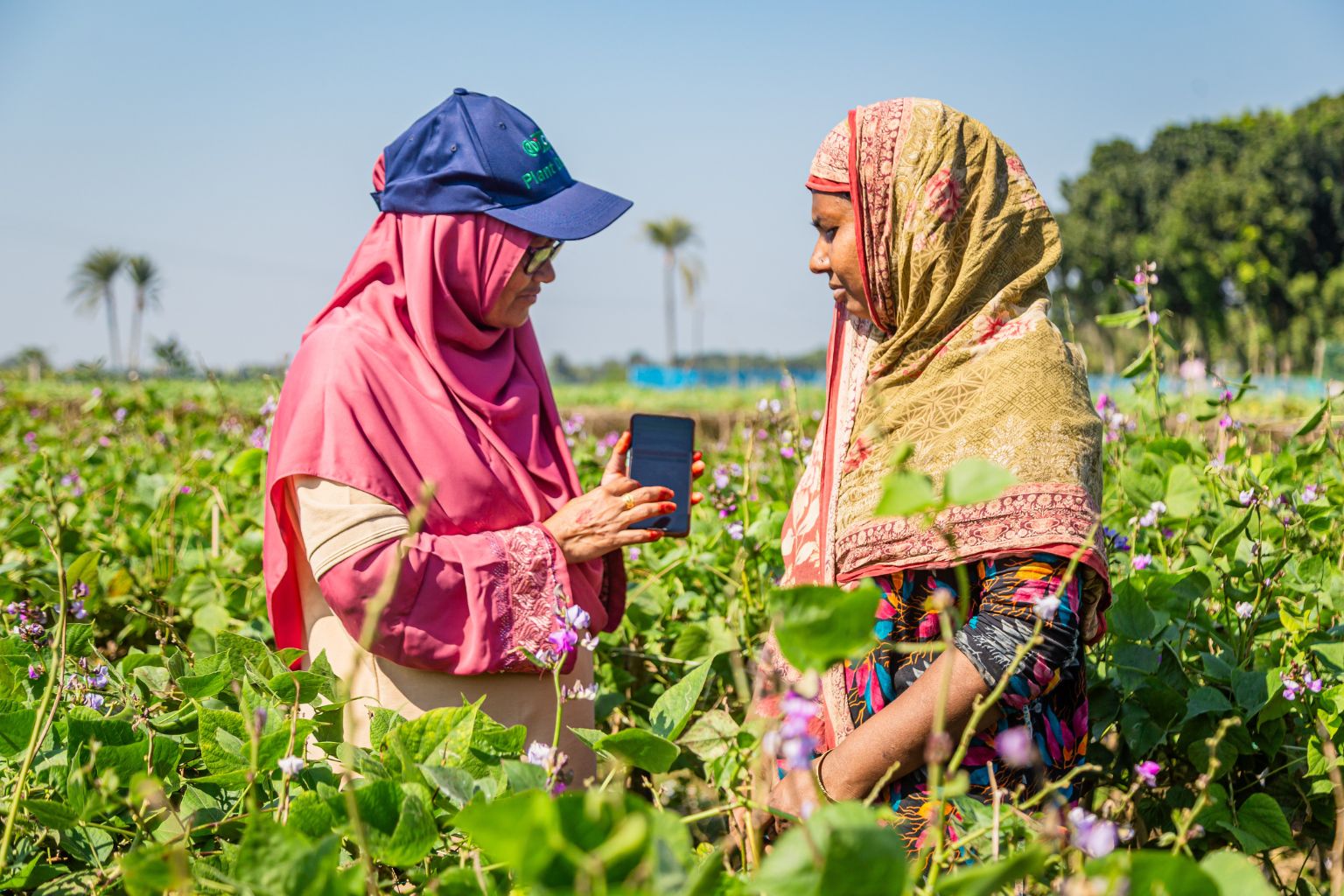
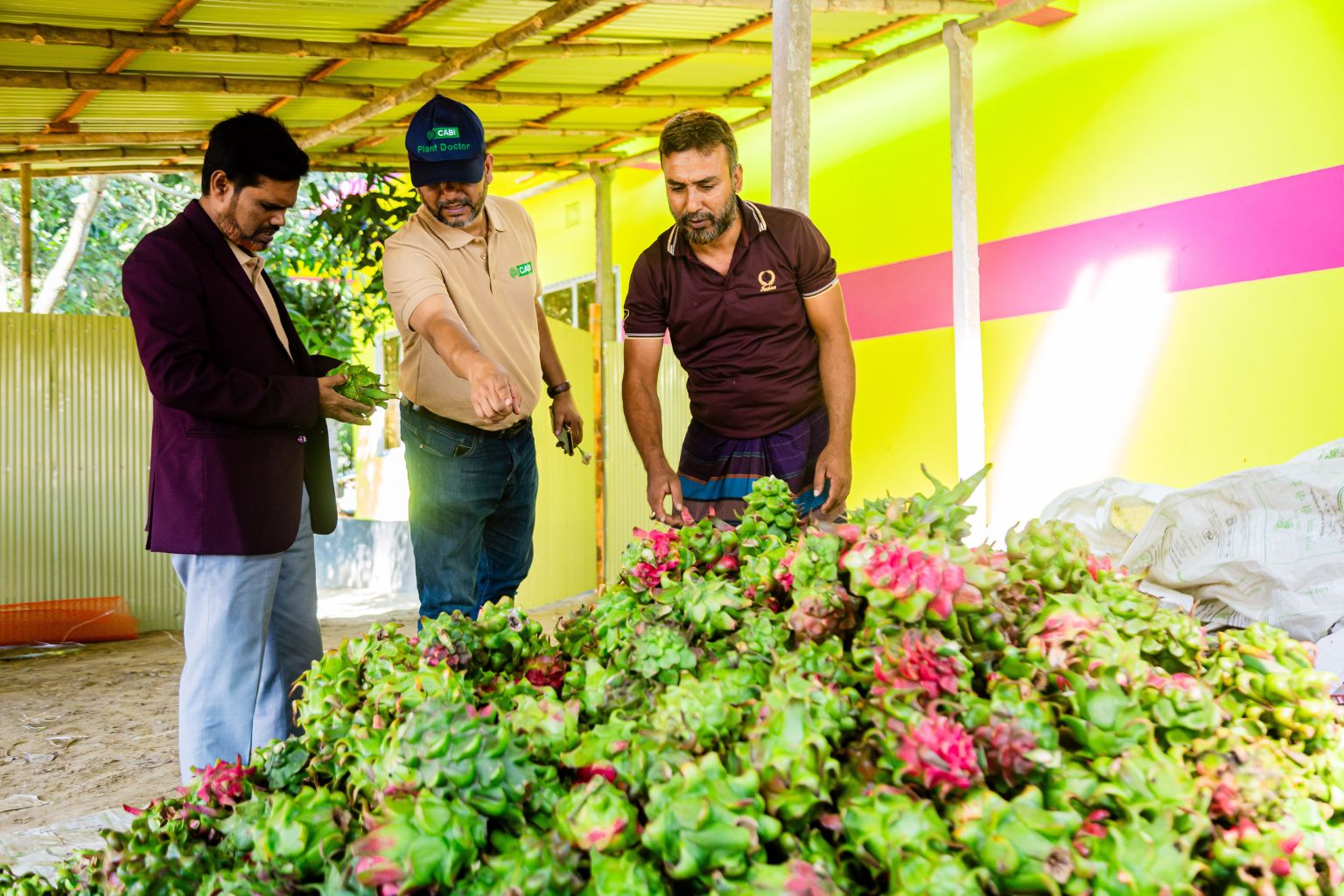
Diagnosis at work
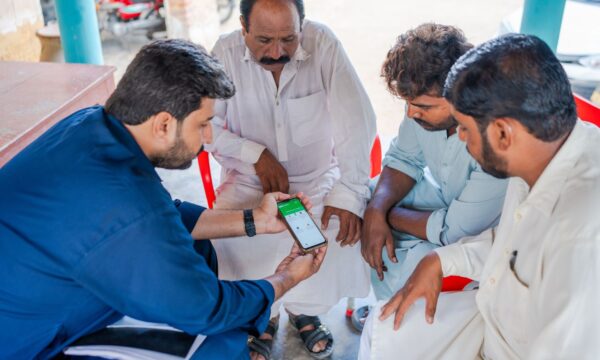
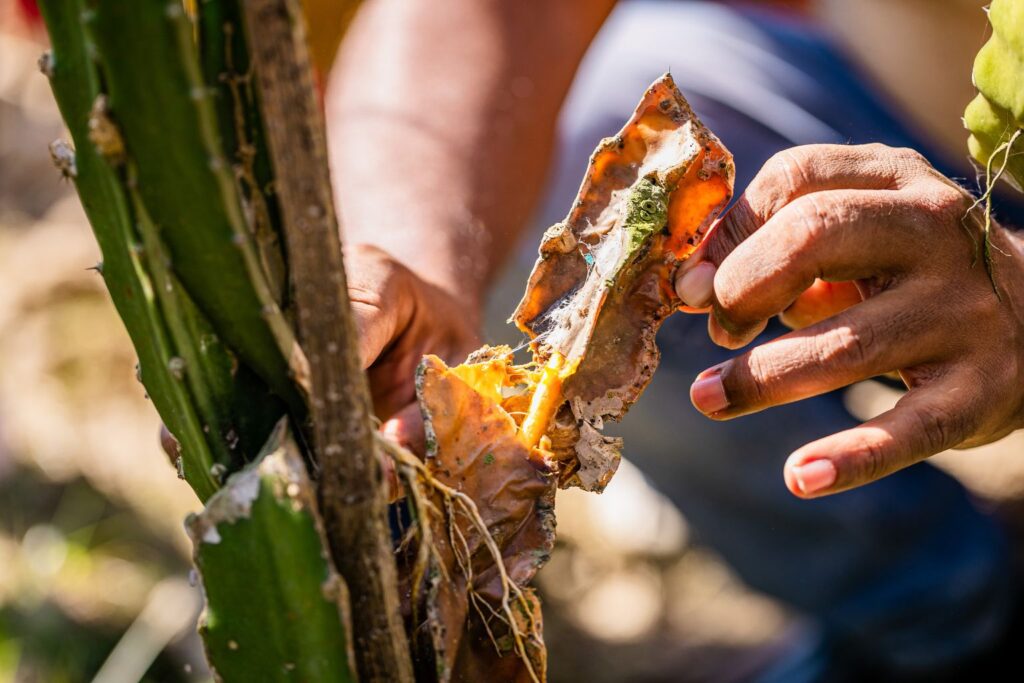
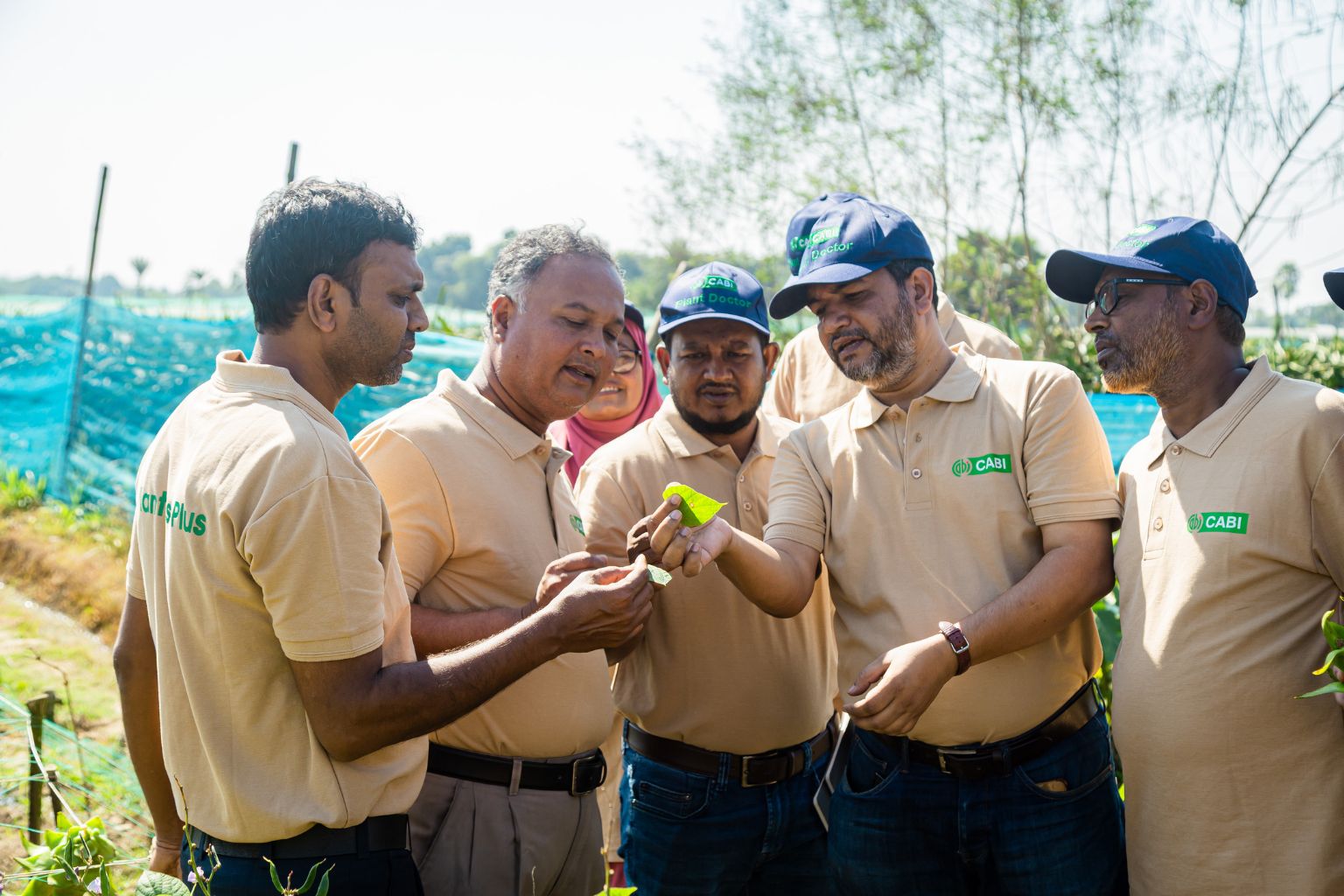
Plant doctors examine each sample carefully, assessing symptoms and asking when the problem started, which part of the field is affected, and what the farmer has already tried. The DCA mobile app lets them record cases, access diagnostic guides, and connect to the PlantwisePlus Knowledge Bank. This mix of observation skills and digital support helps farmers get accurate diagnoses and recommendations.
Reaching every farmer
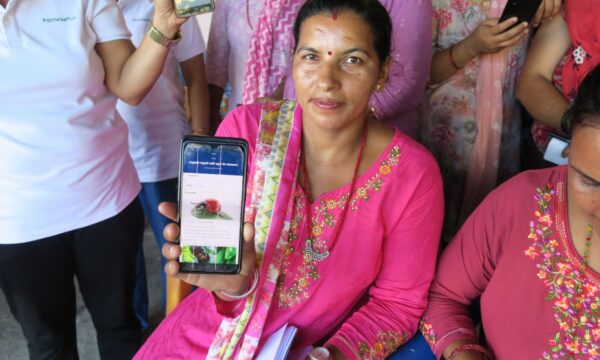
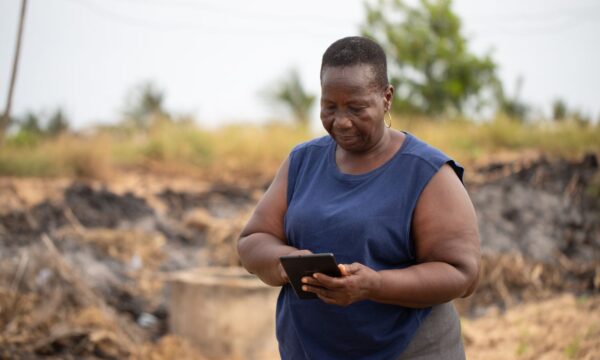
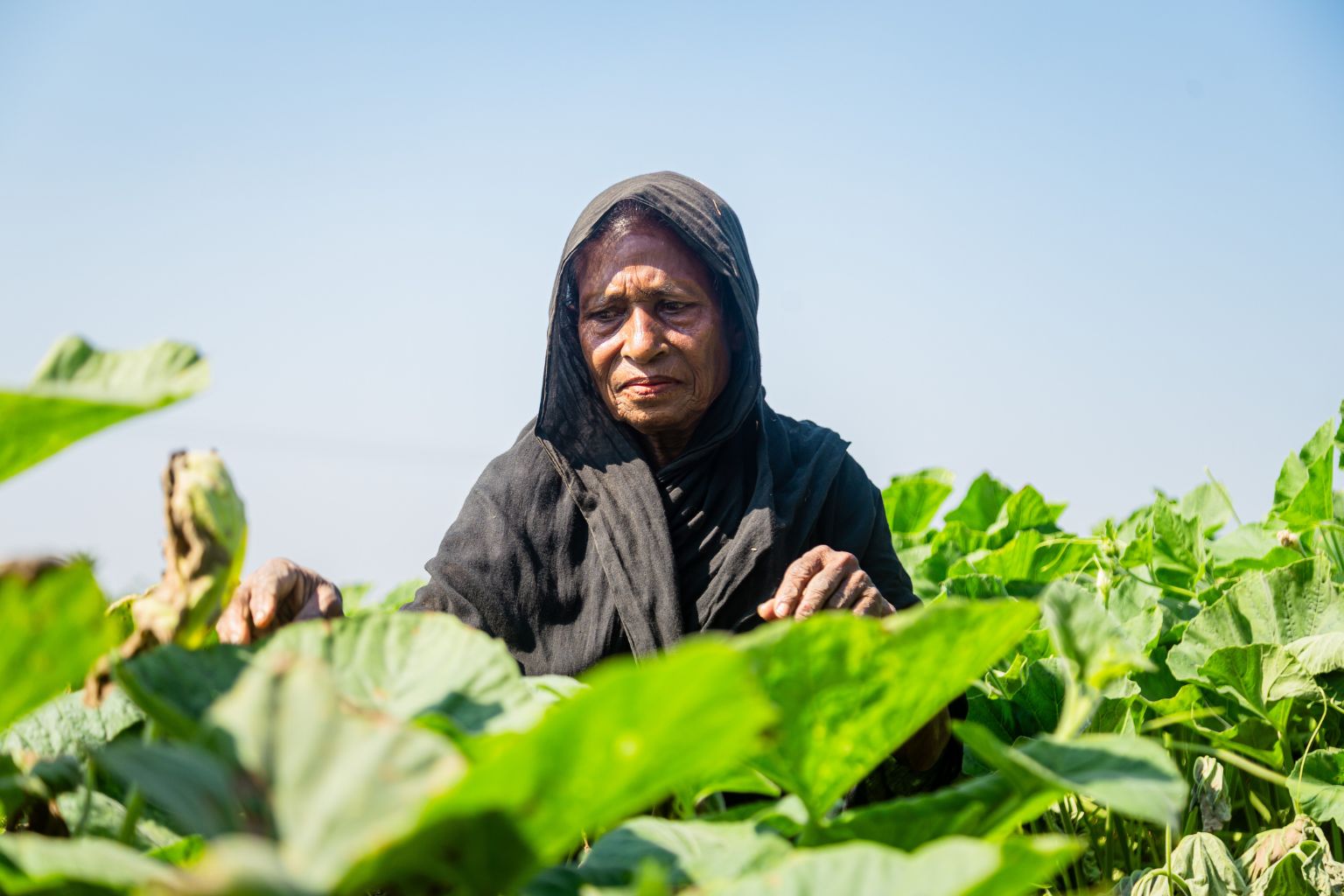
In addition to running plant clinics, plant doctors also visit farms. This matters especially for women farmers, who may find it difficult to travel to plant clinics. The mobile apps, such as the PlantwisePlus Factsheets app, work anywhere, so plant doctors can document cases and access information whether they’re working at a plant clinic or in the field.
Evidence-based recommendations
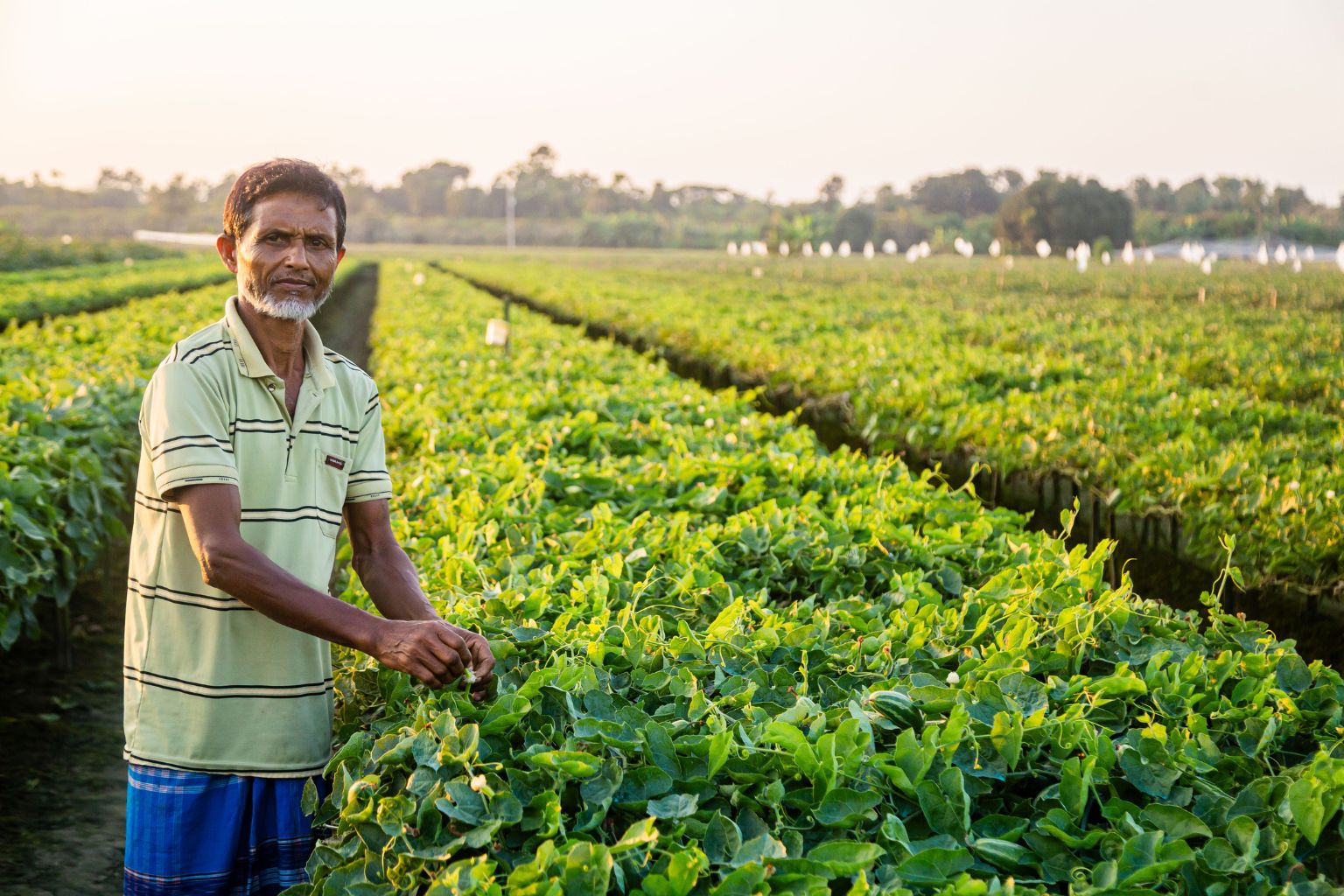
Plant doctors provide IPM-based recommendations that use multiple approaches rather than relying on chemical pesticides. This includes cultural practices to stop disease spread, biological control options, and resistant varieties. If pesticides are deemed necessary, recommendations are provided with clear safety instructions.
A growing network of advisory services in Bangladesh
The Jashore training is part of CABI and DAE’s decade-long collaboration. Senior DAE officials, including the Additional Director of DAE Jashore Region and the Deputy Director of Jashore District, attended the closing ceremony and presented certificates. Their participation shows institutional commitment to expanding this network of advisory services in Bangladesh.
Early, accurate information
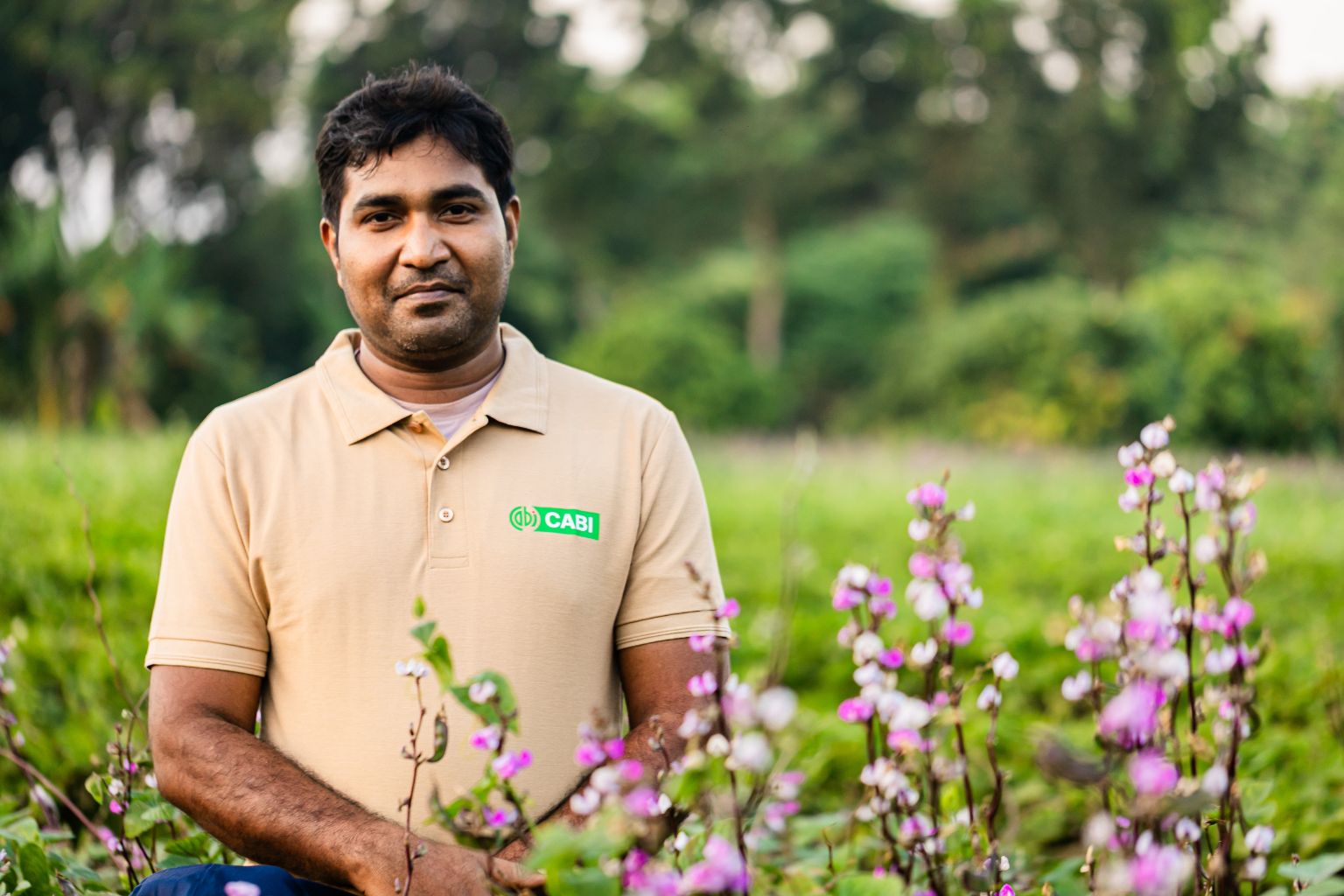
Plant clinics help farmers catch problems early. Accurate diagnosis means farmers don’t waste money on treatments that won’t work. Better management practices protect soil health and farm ecosystems over time. For farming families, this means better harvests and more secure incomes. For Bangladesh, it strengthens agricultural resilience and food security.
Strengthening advisory services in Bangladesh
Plant clinics connect scientific expertise with practical farming needs. They link relevant information to rural farmers and global knowledge to local problems. Each trained plant doctor, plant clinic, and farmer who receives advice strengthens this network.
Further reading
How plant clinics are strengthening crop health services in Bangladesh
PlantwisePlus develops agro-dealer training with Bangladesh government
Advancing gender-inclusive agricultural advisory services in Bangladesh
Driving e-extension in Bangladesh through partnerships – PlantwisePlus Blog
PlantwisePlus gratefully acknowledges the financial support of the Directorate-General for International Cooperation, Netherlands (DGIS); European Commission Directorate General for International Partnerships (INTPA); UK International Development from the UK government; and the Swiss Agency for Development and Cooperation (SDC).
Related News & Blogs
From monitoring to impact: how evidence is driving youth agripreneurship
PlantwisePlus works with partners to help farmers protect their crops and livelihoods, strengthening plant health systems. By integrating capacity development, digital advisory tools, and evidence-based decision-making, the programme is creating more r…
23 March 2026