
The role of soil health in sustainable agriculture
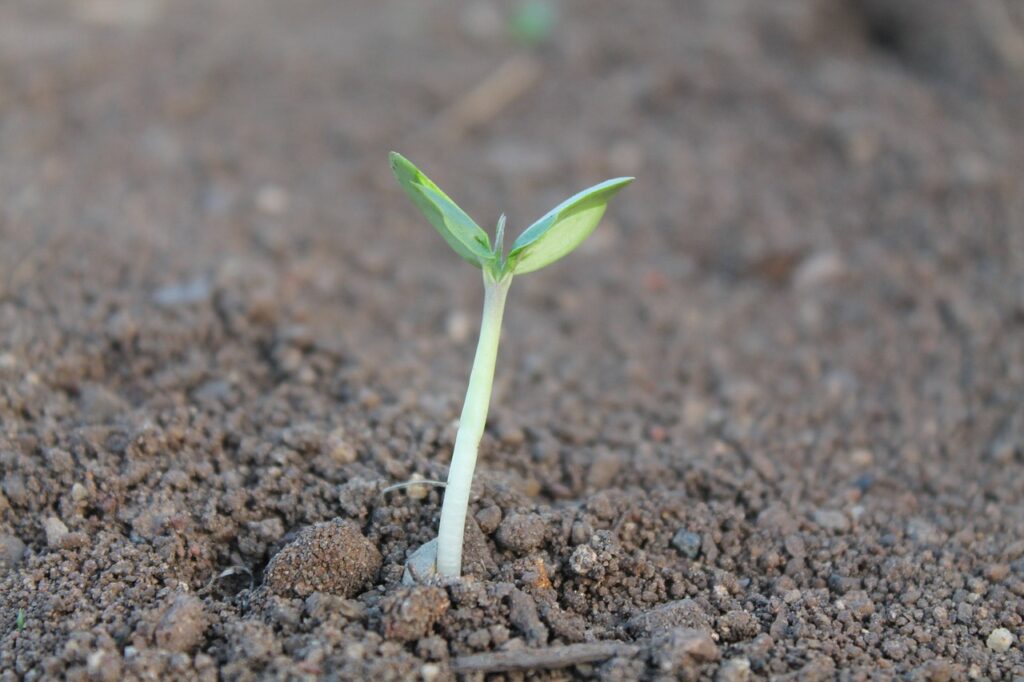
Previously, we have discussed the importance of soil health for agriculture, highlighting its threats and outlining protection strategies. In this blog, we dig deeper into the role of soil health in sustainable agriculture and explore its long-term benefits. With almost half the world’s surface used for agriculture, it is vital that the land on which…
Advancing pest management in Grenada through PlantwisePlus biological control training

In a remarkable effort to enhance agricultural practices, Grenada’s Ministry of Agriculture recently hosted a pivotal training course on biological control organized and co-funded by CABI’s PlantwisePlus programme in collaboration with Sandals Foundation*. The course provided participants with a comprehensive overview of biological control strategies tailored specifically to Grenada’s agricultural context.
Successful on-farm trials using Metarhizium rileyi in Zambia

The fall armyworm (Spodoptera frugiperda) has wreaked havoc on Zambia’s agriculture, devastating smallholder farmers with staggering losses. But amidst the struggle, a promising solution emerges. Through activities on the PlantwisePlus programme and the Village-based biocontrol of fall armyworm in Zambia project, funded by ACIAR, CABI has delved into combating this agricultural menace with various biological…
Plant health knowledge helps residents of wildlife conservancy turn from poaching to farming

Simalaha Community Conservancy aims to protect endangered wildlife. However, several years ago, it faced a big challenge. People living within the parks’ boundaries were poaching animals for food and income. The Conservancy is managed by Peace Parks Foundation. They addressed the problem by helping residents to shift from poaching to smallholder farming. But in 2020,…
Plantwise innovations highlighted in UN Climate Change report
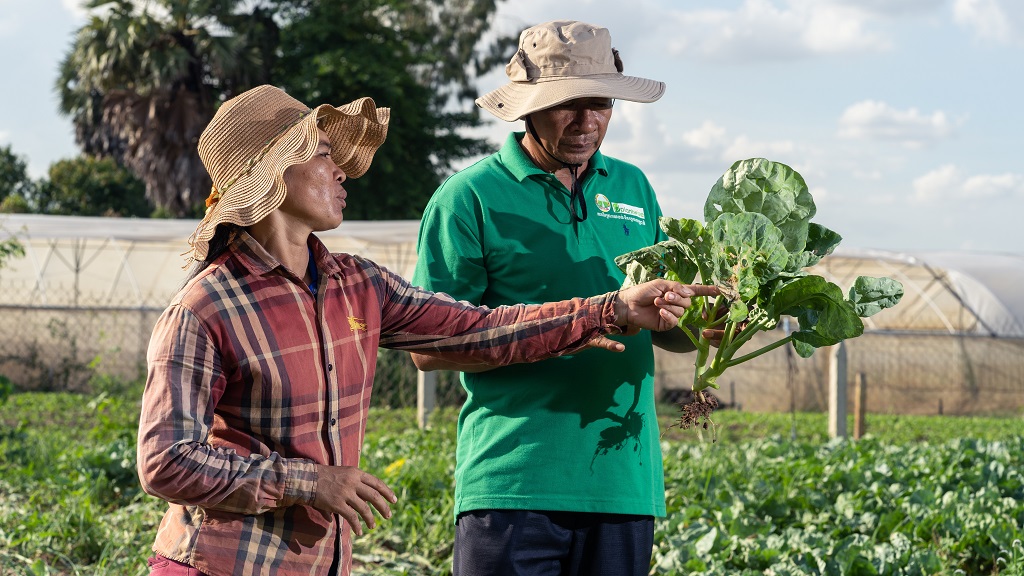
CABI’s work in supporting agricultural decision-making for smallholder farmers using innovative digital tools has been featured in a new report by the United Nations Framework Convention on Climate Change (UNFCCC), the United Nations body coordinating climate action around the world.
Integrated Pest Management-promoting extension services linked to plant clinics win governmental Agri-Tech Extension Award in Beijing, China
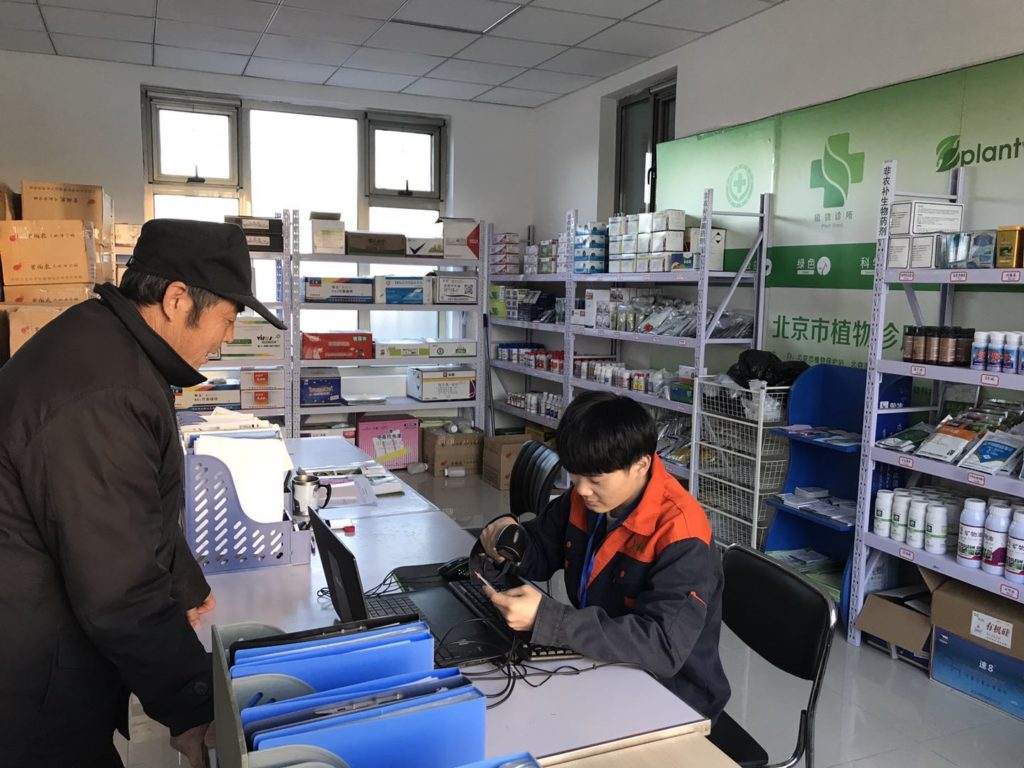
An innovative Integrated Pest Management-promoting extension services linked to Plantwise plant clinics in Beijing was awarded first prize at the Beijing Municipal Agri-Tech Extension Award in March 2020. This governmental prize has been awarded every three years since 1996. This year the award recognizes the significant achievement on promoting integrated pest management (IPM)-compatible plant protection…
The role of earthworms in sustainable agriculture
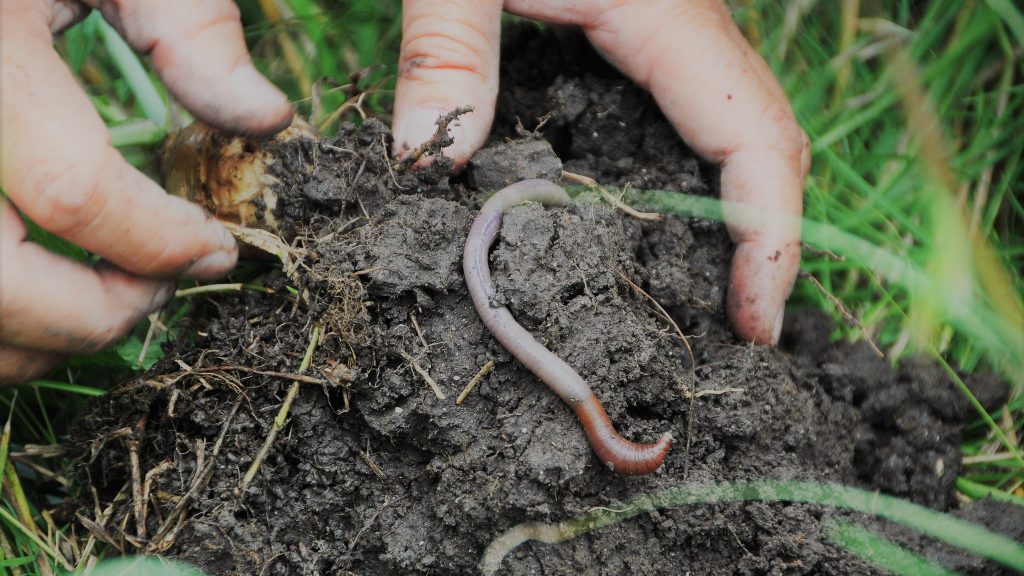
Sustainable agriculture means the production of food from plants or animals using different agricultural techniques that protect communities, the environment, and animal welfare. The extensive use of chemical pesticides and fertilizers to boost crop yields may have resulted in good yields and productivity, but it has caused the efficiency of the soil to deteriorate throughout the world day-by-day.…
Can farms maintain productivity while reducing pesticide use?

A new UN report states that it is dangerously misleading to suggest that pesticides are necessary to achieve food security. Instead, the report recommends that farms reduce pesticide use and adopt sustainable practices that protect crops from pests by enhancing biodiversity and natural enemies. This agroecological approach eliminates reliance on, and exposure to, expensive and toxic…
Assessing risks to make informed decisions for safeguarding the health of humans, animals and plants
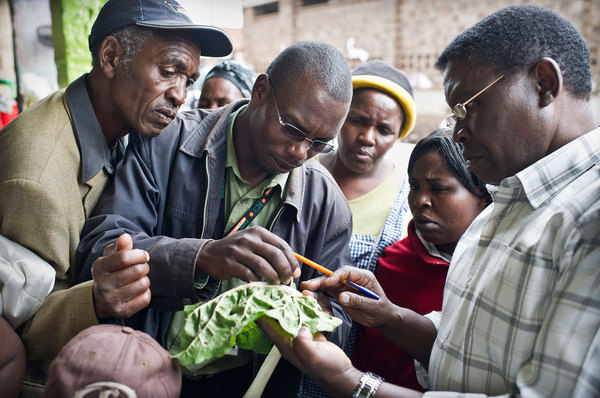
Contributed by Melanie Bateman, Integrated Crop Management Adviser, CABI Switzerland For the first time since 2000, the World Trade Organisation hosted an international workshop on developments in pest risk analysis (PRA) in October 2014. The previous workshop was held only four years after the signing of the Agreement on Sanitary and Phytosanitary Measures (SPS Agreement).…
Crop diversification finds home for ‘orphan crops’
The term ‘orphan crops’ refers to plant species and varieties that of recent decades have been ignored by governments, seed companies and scientists due to their limited importance in global markets. Instead, only a few major staples have been of interest. From fruits and vegetables to grains and nuts, many orphan crops are highly nutritious,…