
Empowering women farmers in Pakistan with pest control knowledge
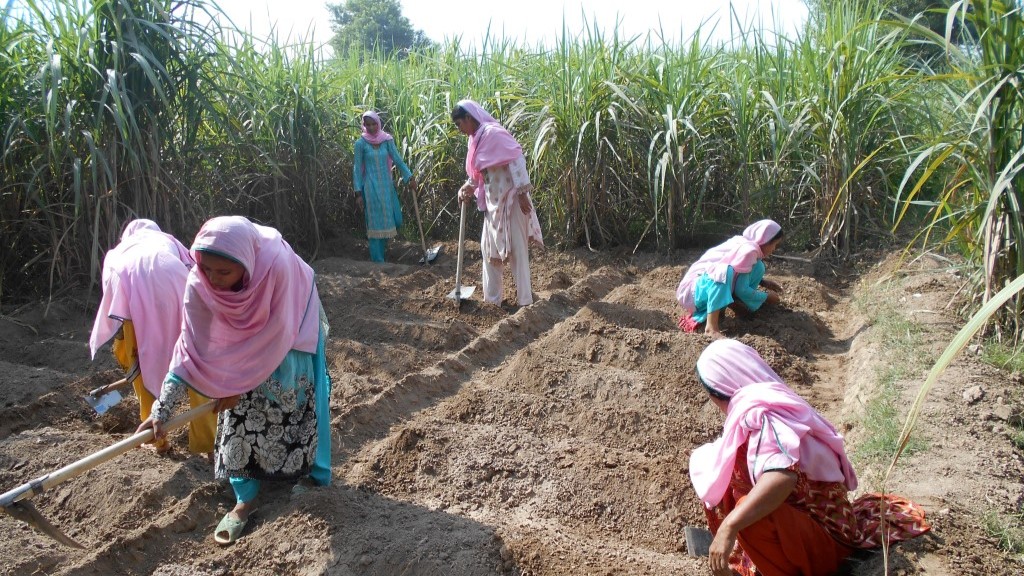
Women farmers in Pakistan play a central role in the country’s economy. However, many struggle to access essential information about sustainable farming approaches. Women make up nearly 66% of the agricultural workforce in Pakistan. Yet they receive very little agricultural extension advice. This lack of support creates serious challenges, particularly when it comes to managing…
Managing mango mealybugs
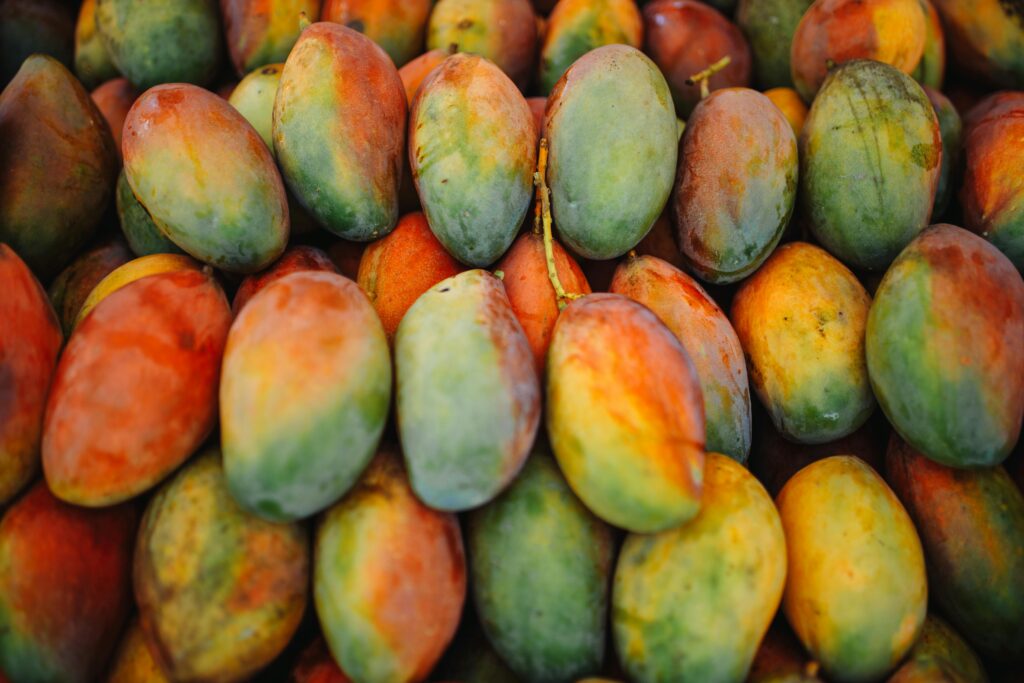
Mango mealybugs are one of the most important insect pests affecting mango production across tropical and subtropical regions in Africa and Asia. These sap-sucking insects not only reduce the quantity and quality of fruit but can also weaken trees over time, leading to long-term production losses. Several species fall under the broad category of “mango…
Empowering women farmers through Gender Technical Working Groups
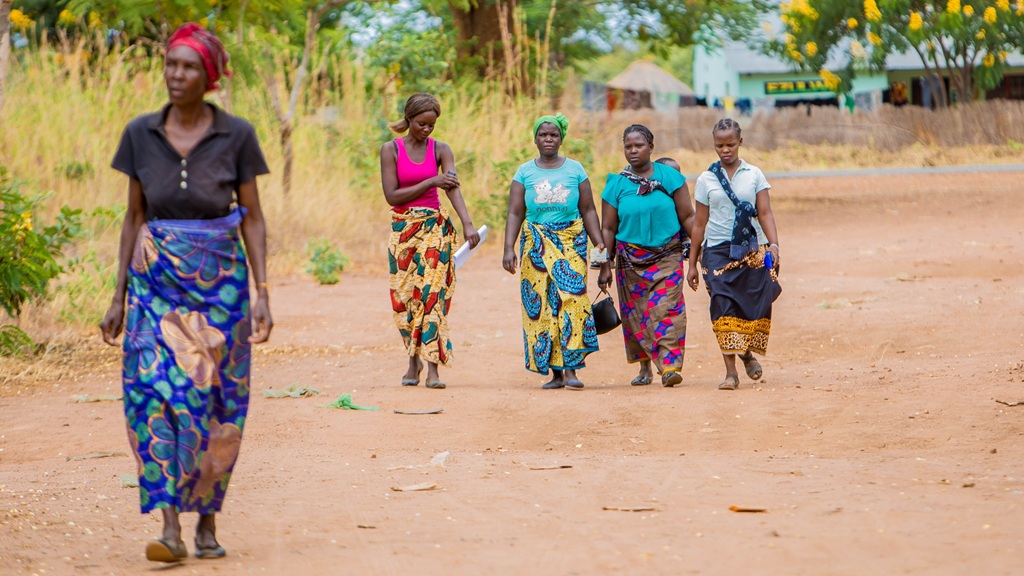
How PlantwisePlus is championing gender equality in agriculture through GTWGs Gender Technical Working Groups play a vital role in advancing equality in rural communities. Women in villages often have less access to knowledge, resources and power than men. They are less likely to be able to attend agricultural training. In addition, many struggle to secure…
Horizon scanning for climate-driven pest threats can prevent biodiversity loss
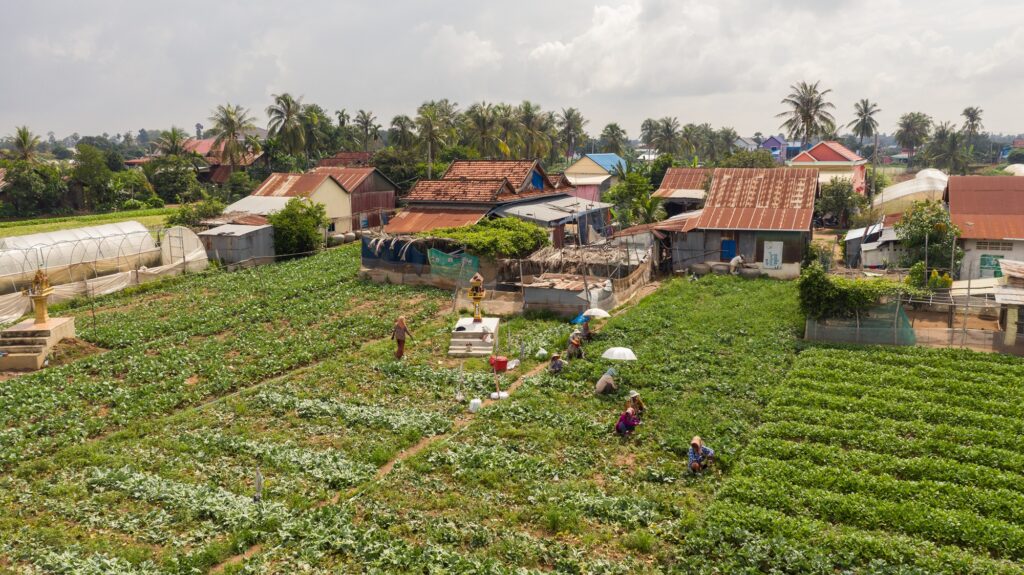
On International Day for Biological Diversity, CABI’s Dr MaryLucy Oronje looks at horizon scanning and pest preparedness – approaches that help prevent the spread of invasive species, a major threat to biodiversity. Horizon scanning for invasive pests is crucial for preventing biodiversity loss. The early identification and assessment of emerging threats allow ecosystems to be…
‘Sowing the seeds’ for food security in Uganda: CABI supports training for Quality Declared Seed production
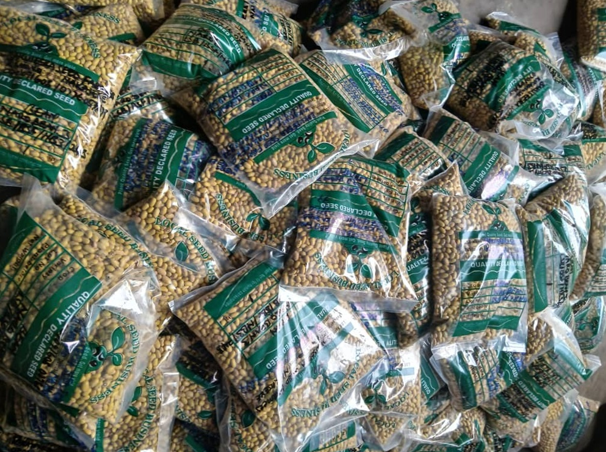
CABI has been working with Zirobwe Agali-Awamu Agribusiness Training Association (ZAABTA), the Ministry of Agriculture, Animal Industry and Fisheries (MAAIF), the National Agricultural Research Organisation (NARO), and Integrated Seed Sector Development (ISSD) in Uganda to help smallholder farmers meet standards for Quality Declared Seed (QDS) production.
Biocontrol that goes the distance: Acerophagus papayae in Kenya
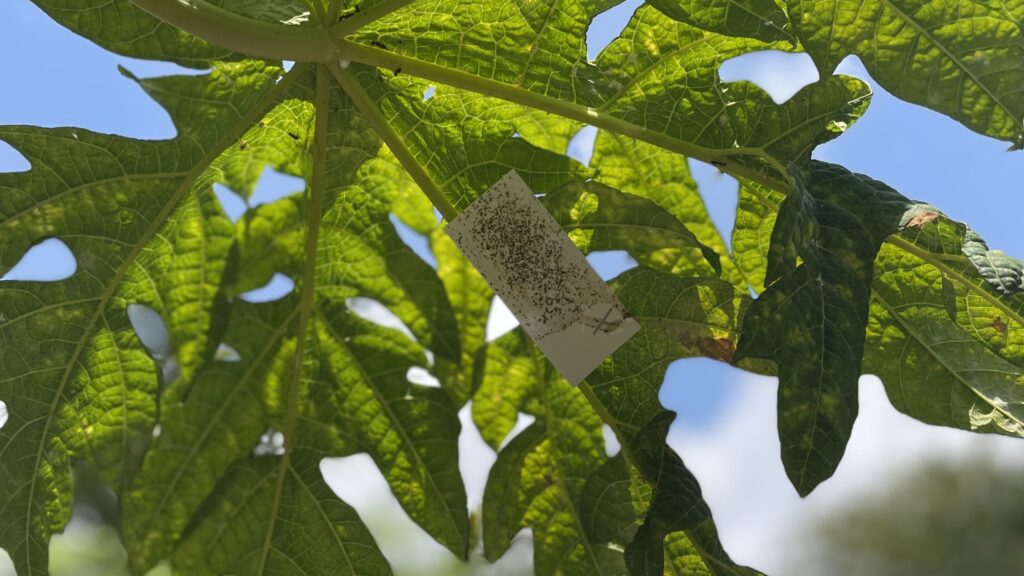
Acerophagus papayae can slow the spread of the invasive papaya mealybug and benefit the wider community. Recent monitoring efforts have shown that the natural enemy is reaching long distances away from the original release sites. Invasive species pose a persistent threat to agriculture, particularly in tropical and subtropical regions where favourable conditions allow rapid spread…
“The health of plants, animals, people and the environment is interlinked in so many ways”
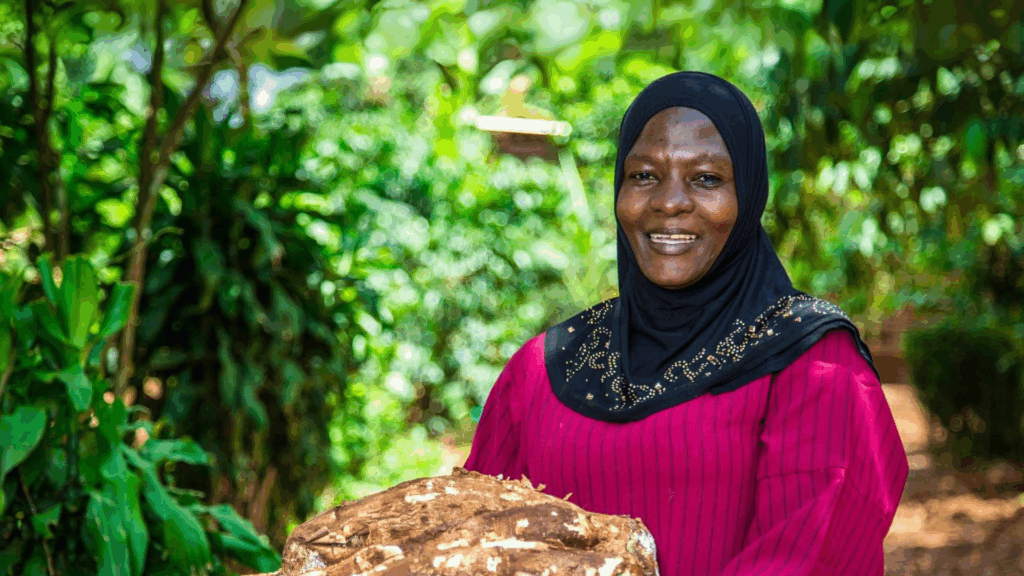
Without healthy crops, food systems crumble, livelihoods suffer, and communities become more vulnerable to food insecurity. PlantwisePlus supports countries in strengthening plant health systems and improving food quality, quantity, and security. Plant clinics are central to this approach, providing farmers with diagnosis and treatment advice for any crop problem.
How men taking on unpaid care work can lead to women’s economic empowerment in Burundi
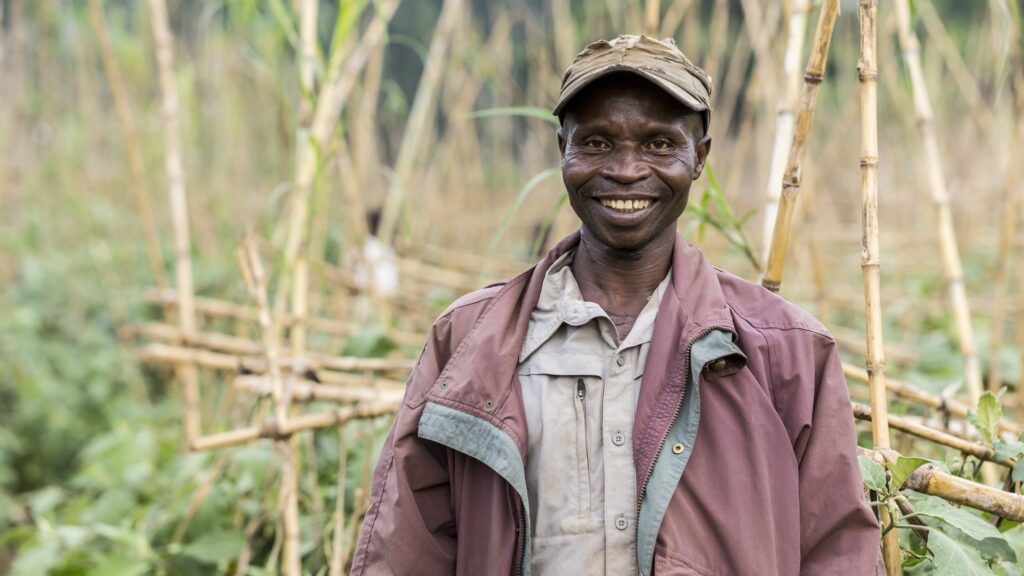
Women carry a heavier burden of unpaid care work because of gender disparities. Unpaid care and domestic work include activities such as cooking, cleaning, and caring for the dependents in the household. This burden poses economic challenges for countries that depend on agriculture, such as Burundi. Burundi is a landlocked country in the African Great…
The power of street theatre – a novel approach to sharing farming know-how
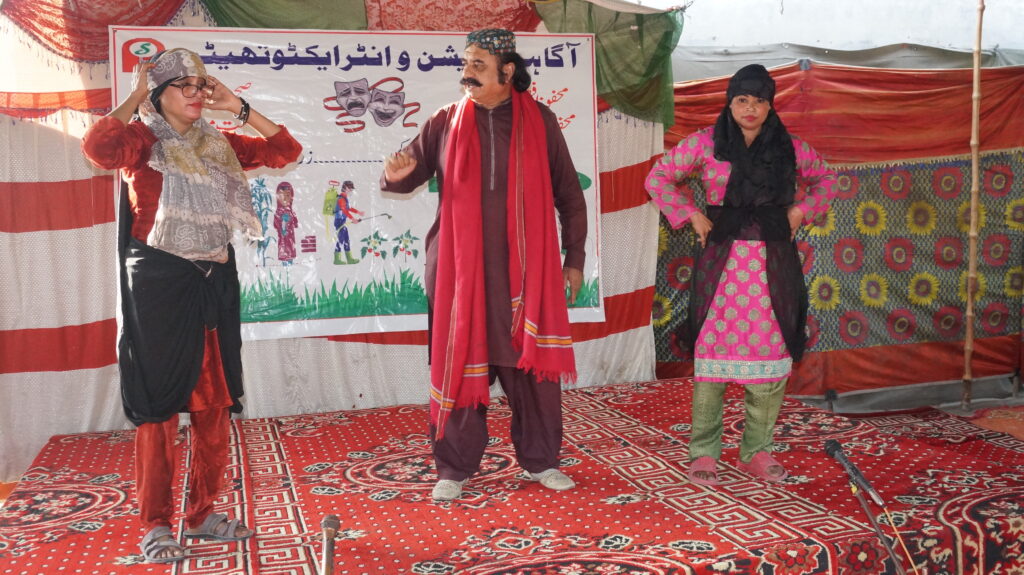
Agriculture is the backbone of Pakistan’s economy. However, many farmers lack access to crucial knowledge about sustainable practices. This is especially true for women. While women form around 66% of the agricultural workforce in Pakistan, they receive a fraction of the extension advice. This poses a challenge when it comes to pesticide risk reduction. In…
Youth in agriculture: Meet Anthony Ssenyonga, an agri-entrepreneur in Uganda
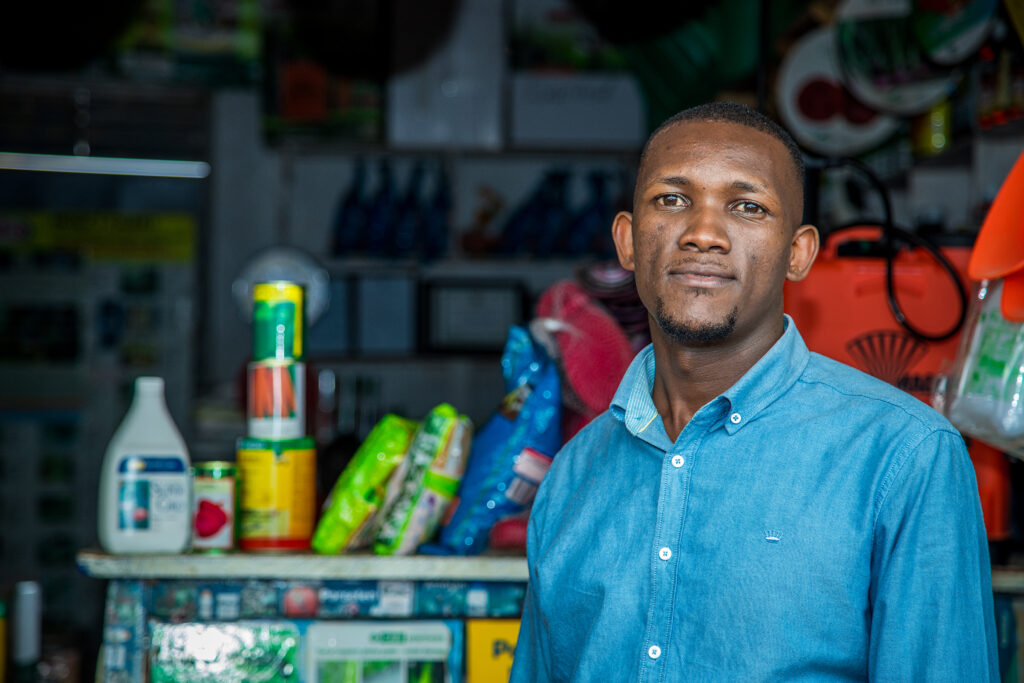
Anthony Ssenyonga, 29, is an agro-input dealer, plant doctor, and entrepreneur whose innovative use of digital tools is supporting smallholder farmers in his community and beyond. He is a leader among the youth in agriculture in Uganda, inspiring other agri-entrepreneurs. Before his rise as a digital agricultural champion, Anthony was a small-scale vegetable farmer, helping…