Banana bunchy top disease can destroy entire harvests if left unchecked and currently poses a serious threat to Ghana’s banana and plantain production. Although the disease is not yet present in Ghana, PlantwisePlus is working on its early detection and prevention of arrival following the discovery of the disease in neighbouring countries. Last year, the programme brought together key stakeholders to review Ghana’s action plan to prevent the spread of banana bunchy top disease into this West African nation. The plan focuses on prevention, emergency preparedness, and effective response. In this blog, we explore the risks posed by the disease and the steps Ghana is taking to protect this vital crop – a staple for smallholder food security and incomes.
Ghana and banana bunchy top disease
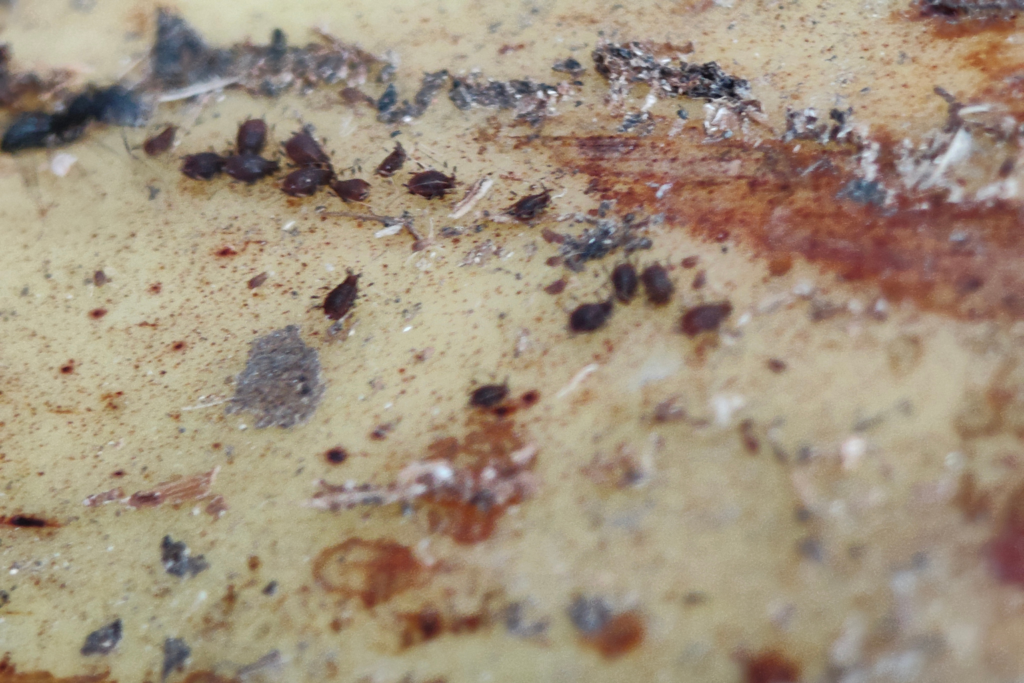
Banana bunchy top disease is caused by a virus and spread by the banana aphid, Pentalonia nigronervosa. When smallholders move the infected plants from one farm to another, the spread is accelerated. The pathogen stunts banana growth and dramatically reduces banana and plantain yields. Once established, farmers and authorities find it notoriously difficult to remove, and it can spread quickly if they are unprepared.
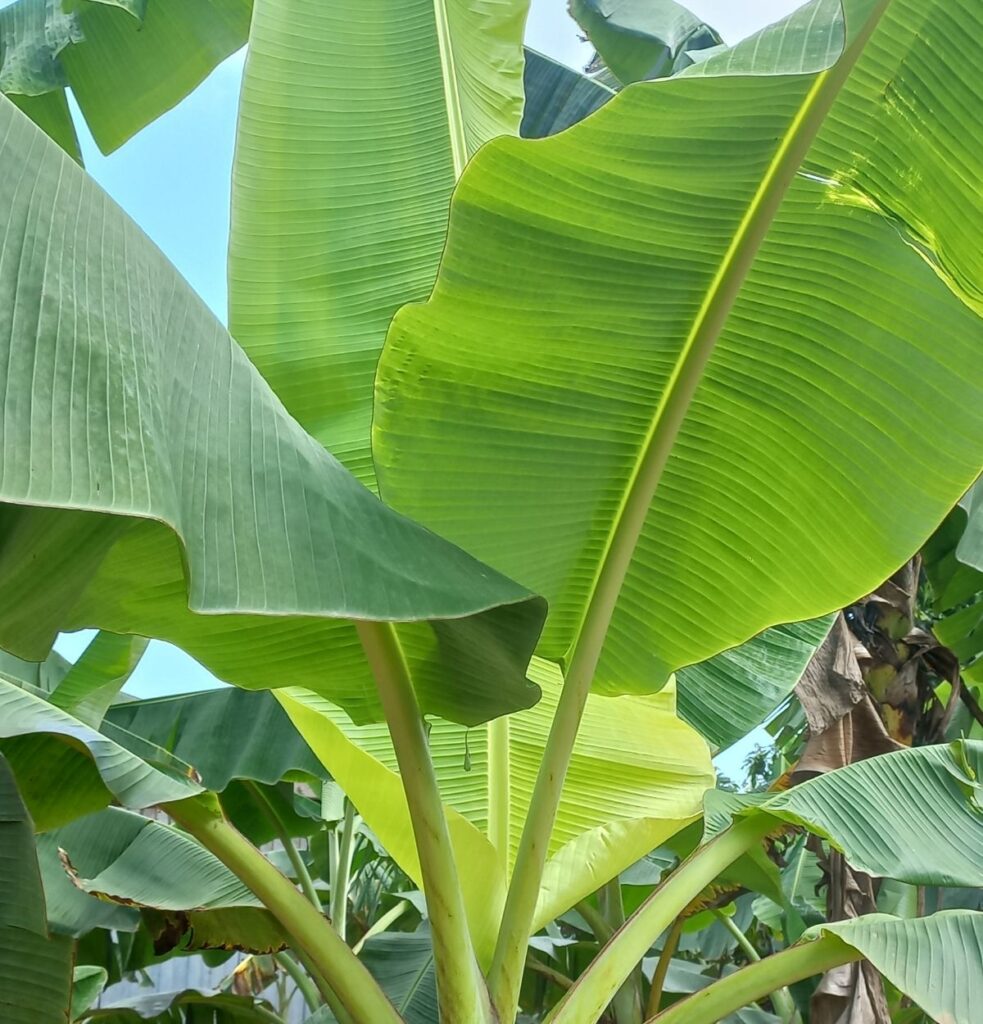
The disease poses a considerable risk to commercial and smallholder farmers alike. It sometimes causes up to 100% crop damage if no control measure is taken. In 2025, a CABI study estimated potential yield losses due to banana bunchy top disease to range from 2.75 t ha⁻¹ (20 % loss) to 13.75 t ha⁻¹ (100 % loss) for plantain farmers. This corresponds to income losses of US$413 to US$2,063 per hectare. For banana farmers, yield losses were estimated to range from 2.4 t ha⁻¹ (20 % loss) to 12 t ha⁻¹ (100 % loss), with income losses of US$289 to US$1,444 per hectare. In the 1990s and 2000s, the disease devastated large areas of banana production in Africa. In certain districts of Malawi, for example, the disease caused production to fall to such an extent that farmers were forced to abandon their crops altogether, losing entire plantations to the disease.
Bananas and plantains are an important food source in countries like Ghana. Banana bunchy top disease, therefore, poses a serious threat not only to farmers’ incomes but also to food security. At a wider level, the disease can impact trade and economy growth. For nations such as Ghana, which rely on banana and plantain trade with regional and international markets, the impacts could be severe.
To date, Ghana has not reported the presence of banana bunch top disease. However, the disease is already present and has spread in two other West African countries – Benin and Nigeria. The risk of spread from infected planting materials being brought into Ghana is high. This underscores the value of acting before a major outbreak occurs, building a defence plan rather than reacting to its arrival.
PlantwisePlus – the pest preparedness pathway
Pest preparedness is one of the three pillars of PlantwisePlus, together with farmer advisory and pesticide risk reduction. The programme aims to empower smallholder farmers and the authorities that support them to manage evolving plant health threats. In turn, this helps them to protect and increase incomes as well as improve food safety and security.
The programme supports the development and enhancement of processes that identify, prioritize, and respond to pest threats. It helps countries and regional organizations to quickly integrate the latest information on the spread of high-risk pests to prevent outbreaks.
Moreover, the programme supports countries with the development and implementation of coordinated pest plans. In Ghana, this means responding to priority crop health threats before they arrive, such as banana bunchy top disease. The PlantwisePlus pest preparedness pathway addresses the need for a coordinated response at various levels, including regional, national and local levels.
Acting against the spread of banana bunchy top disease
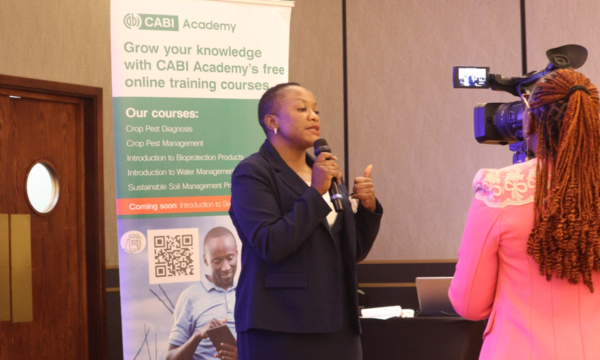
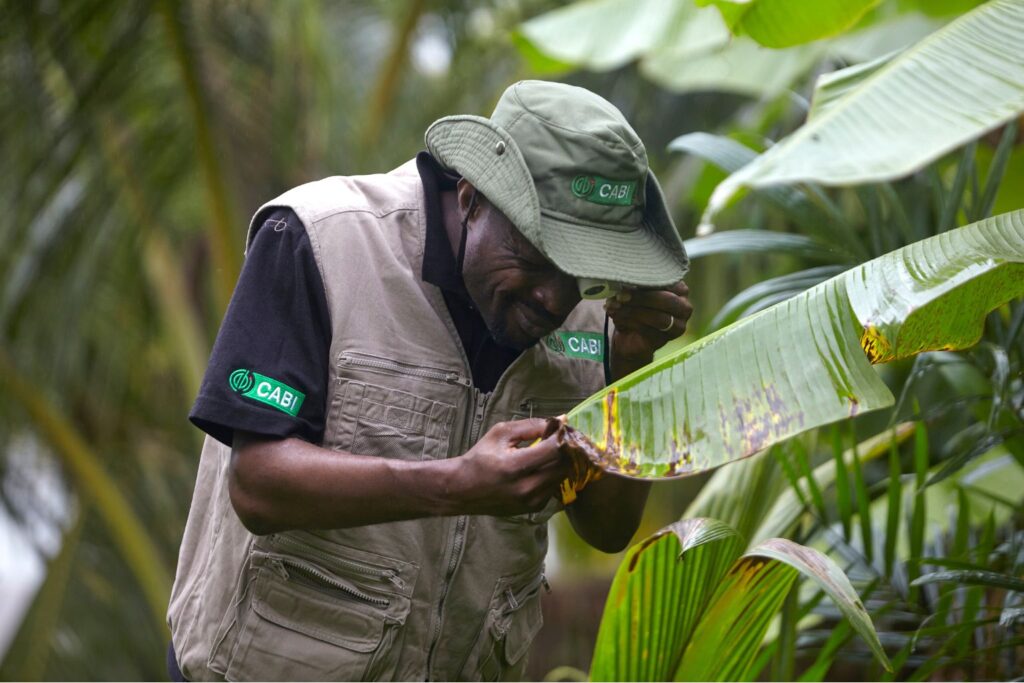
Since 2019, CABI has supported surveillance and pest risk awareness among plant health inspectors and farmers in Ghana. In 2020, banana bunchy top disease was first flagged as a major risk through horizon scanning. Risk analysis was undertaken for the disease in December 2022. Since then, authorities have conducted regular surveillance every year for the early detection of the virus, in case it is introduced to the country. In October 2025, PlantwisePlus further coordinated and hosted a meeting with Ghana’s government, research, and plant health agencies. Participants aimed to ensure a practical preparation plan that considers local needs. The plan must beready to mobilize in case of a banana bunchy top disease outbreak.
The workshop focused on strategies for disease detection and surveillance, ensuring authorities know how and where to monitor for signs of outbreaks. Stakeholders reviewed emergency response protocols, which can support rapid action should the disease be detected. Coordination is critical. The workshop reviewed approaches for connecting extension services, farmer groups, and ministries. Collaboration will ensure the fast flow of information and rapid action if and when needed.
Looking ahead: Turning plans into action
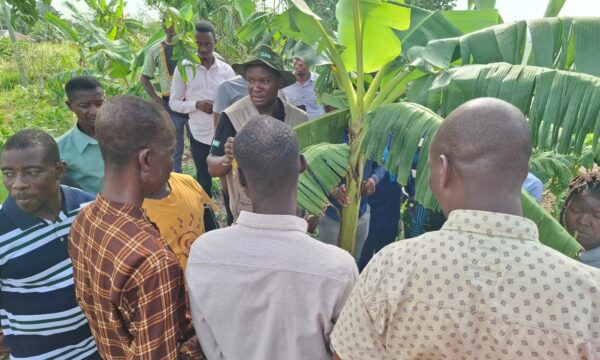
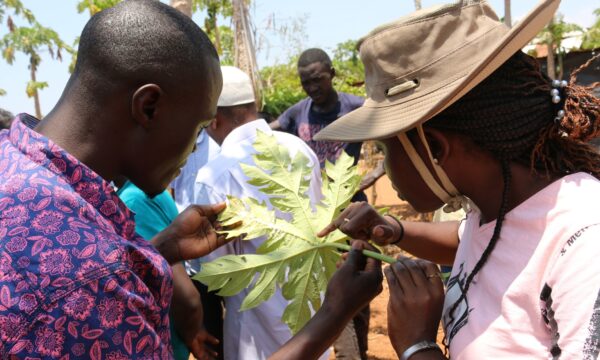
The review workshop marks a critical milestone, but the real work begins now. Actions from the meeting include finalizing and validating the plan and using it for awareness campaigns at the community level. More extension officers, plant doctors, and farmers will also require training in the disease’s detection. Early identification of symptoms is paramount. In addition, the stakeholders will raise awareness among farmers about clean planting material use and pest monitoring. Critically, Ghana will strengthen cross-border cooperation with neighbouring countries to limit the spread of banana bunchy top disease.
With these measures in place, the partnership is building stronger defences against one of the banana industry’s most serious diseases. Plant health emergencies can escalate fast. With a pest preparedness pathway in place, Ghana is more likely to be able to minimize the impact of this banana disease, protecting smallholder incomes, food security and the broader economy.
Project partners include:
- Plant Protection and Regulatory Services Directorate (PPRSD)
- CAB International (CABI)
- University of Ghana (UG)
- CSIR-Crops Research Institute (CSIR-CRI)
- Biotechnology and Nuclear Agriculture Research Institute (BNARI)
- Environmental Protection Authority (EPA)
- Conservation Alliance (CA)
- University of Cape Coast (UCC)
- Directorate of Agriculture Extension Services (DAES)
- CSIR – Oil Palm Research Institute (OPRI)
- Volta River Estates Limited
- Golden Exotics Limited (GEL)
- CropLife Ghana
Further reading
Factsheet for Farmers: bunchy banana top disease
PlantwisePlus gratefully acknowledges the financial support of the Directorate-General for International Cooperation, Netherlands (DGIS); European Commission Directorate General for International Partnerships (INTPA); UK International Development from the UK government; and the Swiss Agency for Development and Cooperation (SDC).
Interested in learning more?
PlantwisePlus works with partners including governments, research institutions, local NGOs, and regional plant protection organizations to strengthen plant health systems and improve food security.
>> Discover more about our approach and how you can get involved.
Related News & Blogs
How plant clinics are strengthening biosecurity in Ethiopia
Biosecurity is essential for protecting food security, agricultural trade and rural livelihoods. It involves preventing the introduction and spread of harmful plant pests and diseases, alongside detecting new threats early so countries can re…
17 August 2026