
5 reasons to increase gender-equal education in agriculture
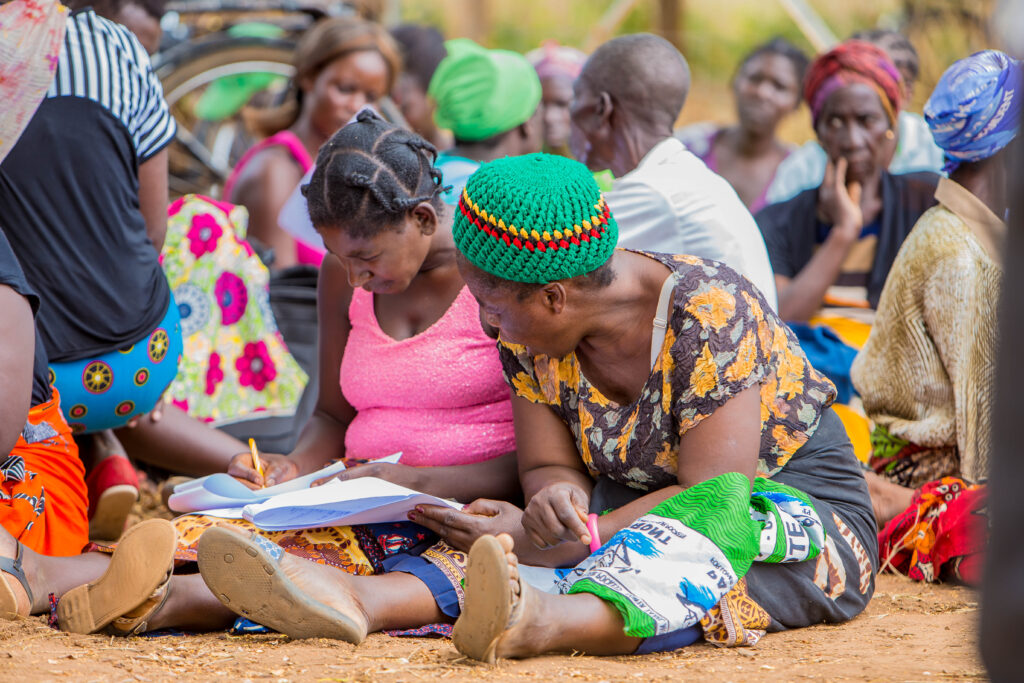
In agriculture, a domain where women play a pivotal yet often underrepresented role, promoting gender-equal education is not just a matter of equity but also a catalyst for community advancement. International Women’s Day, recently celebrated, serves as a poignant reminder of the strides made and the challenges that remain in achieving gender equality across various…
Pesticide risks for farmers in Sri Lanka: The overlooked gender divide
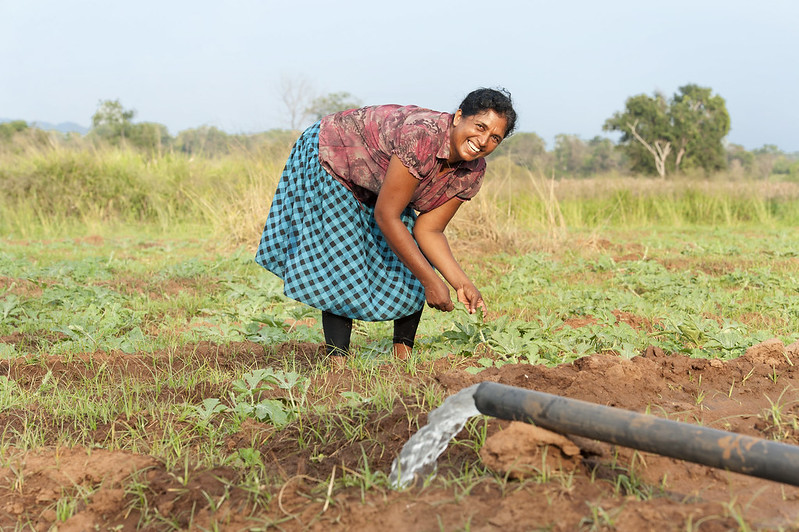
This month marks International Women’s Day. This year’s theme is ‘Accelerate Action’, calling for increased momentum and urgency to address gender barriers such as those to agricultural advice. Empowering women with knowledge and information enables them to reduce pesticide risks more effectively and swiftly. In this blog, we look at pesticide risks for women farmers in…
PlantwisePlus Knowledge Bank 2024 wrap up
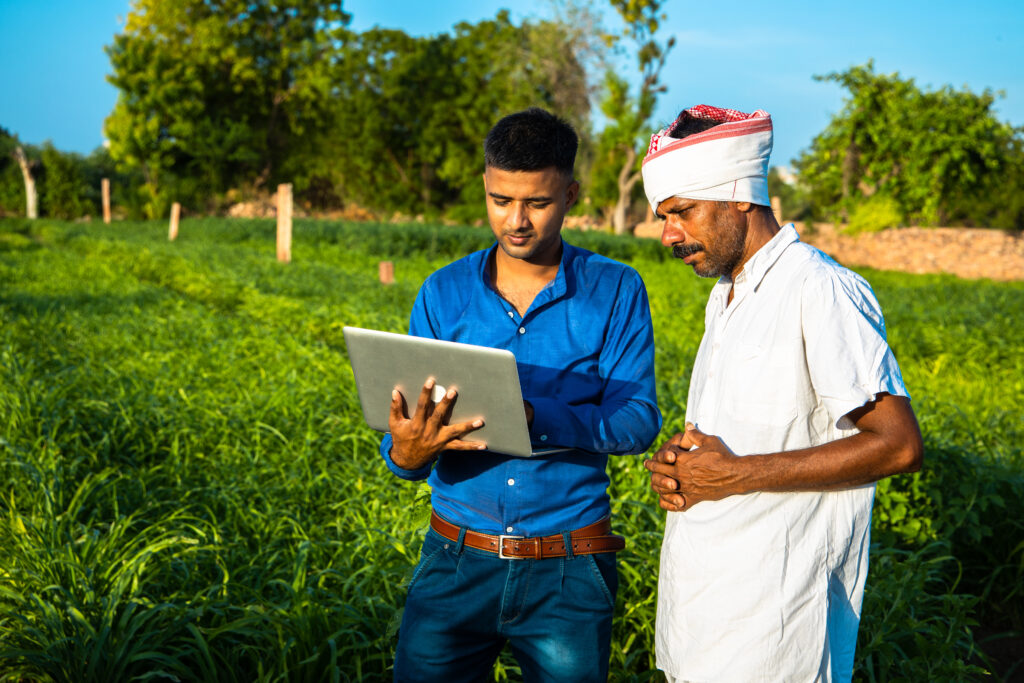
As the new year begins, it’s time to take a look back at the highlights for the PlantwisePlus Knowledge Bank in 2024 2024 in numbers In 2024 there were over 1.8 million visits to the PlantwisePlus Knowledge bank. That is a 3 fold increase in visits from 2023. People from 230 different countries used our…
CABI calls for gender equality for rural women in Pakistan

Every year, Rural Women’s Day is celebrated on 15 October. It recognizes the valuable contributions that women living in rural communities make to agriculture, food security and rural development. In Pakistan, this is important. According to Relief Web, Pakistan’s total female population is over 101 million. However, around 64 million women – more than half…
CABI helps develop regional Pest Risk Analysis to prevent/reduce the invasion of new crop pests in West African countries

CABI has teamed up with 15 NPPOs for a workshop held to help develop regional Pest Risk Analysis (PRA) to prevent/reduce the invasion of new crop pests in West African countries.
Training module to help agro-input dealers in Uganda reduce the risks of highly hazardous pesticides

CABI has worked in partnership to produce a training module on lower-risk plant protection products to help agro-input dealers in Uganda reduce the risks associated with highly hazardous pesticides to deal with a range of crop pests.
Training workshops held to help strengthen capacity of PlantwisePlus plant clinics in Namibia

Two training workshops have been held to help strengthen the capacity of 10 PlantwisePlus plant clinics recently launched in Namibia in partnership with the Food and Agriculture Organization of the United Nations (FAO).
Writeshop to draft National Pesticide Residue Monitoring Framework for Kenya

A writeshop has led to the creation of a draft National Pesticide Residue Monitoring Framework for Kenya aimed at coordinating pesticides residue monitoring for domestic and export value chains. This writeshop follows a series of virtual meetings held in the months of May and July 2024 that aimed at examining the situation on pesticide monitoring…
PlantwisePlus – supporting countries with pest preparedness for food security

On World Food Day, CABI’s Global Lead for Pest Preparedness, Dr Ivan Rwomushana, considers how pest preparedness can safeguard ‘foods for a better life and a better future’ helping smallholder farmers to access the knowledge they need to prepare for and address the spread of pests. When it comes to addressing food security, pest preparedness…
Empowering women farmers in Ghana: Introducing the gender handbook for extension agents

At 42%, women form a large and important part of the global agricultural work force. In Ghana, this figure is even higher. Here, women make up 52% of the labour force and produce 70% of food crops. However, gender norms and stereotypes often prevent them from fully participating in decision-making on family farms. This impacts…