
What do agro-dealers in Nepal prefer when it comes to sustainability standards?

Agro-dealers in Nepal can play a pivotal role in reducing the risks associated with pesticide use, such as harm to human health and the environment. They are a key source of pest management advice for smallholder farmers. However, many lack access to accurate information about risk reduction and safer plant protection products. How can we implement better…
Burundi strengthens food security and adds PlantwisePlus pest management training to 40 agricultural schools
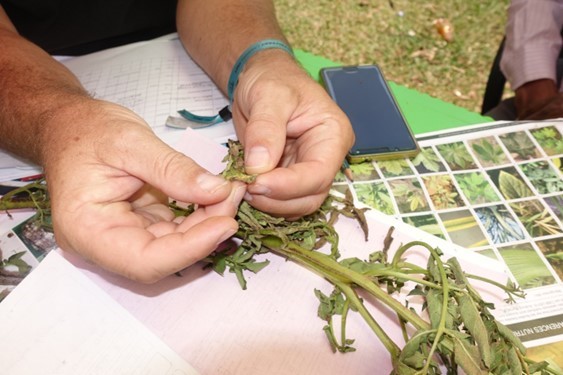
Burundi has been busy stepping up its efforts to train more PlantwisePlus plant doctors to meet the country’s need to strengthen its food security and help more farmers grow more and lose less to crop pests and diseases.
Study briefs: PlantwisePlus supports Bangladesh, Pakistan and Sri Lanka achieve climate and agricultural goals
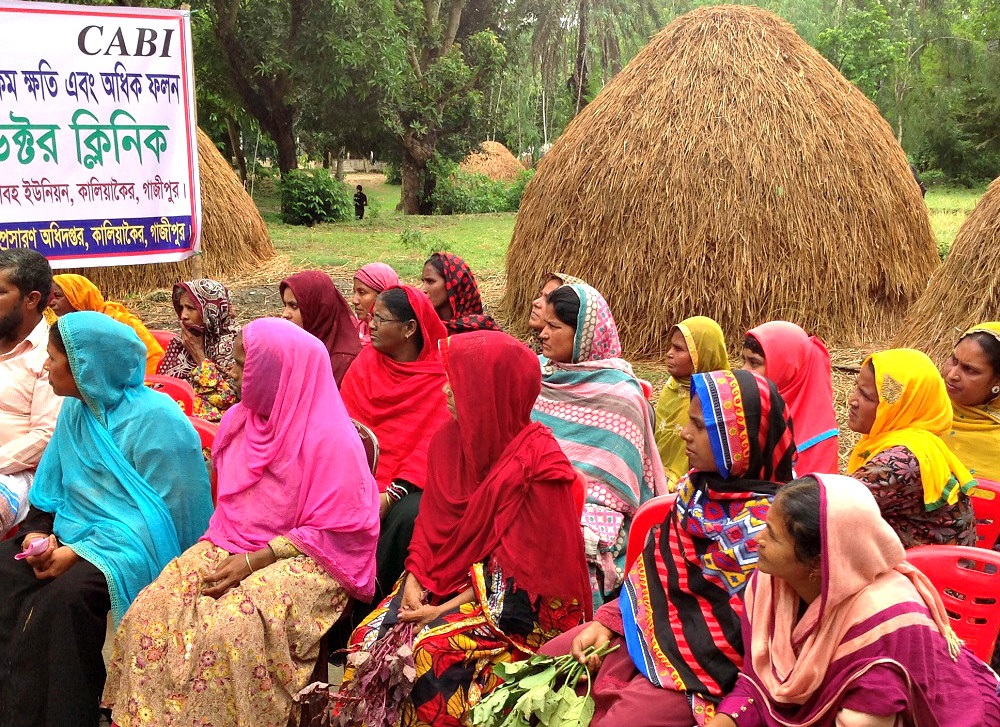
CABI has published three new study briefs exploring how the CABI-led global PlantwisePlus programme supports Bangladesh, Pakistan and Sri Lanka achieve some of their climate and development priorities within agriculture.
Building capacity for a resilient cassava seed system in Zambia
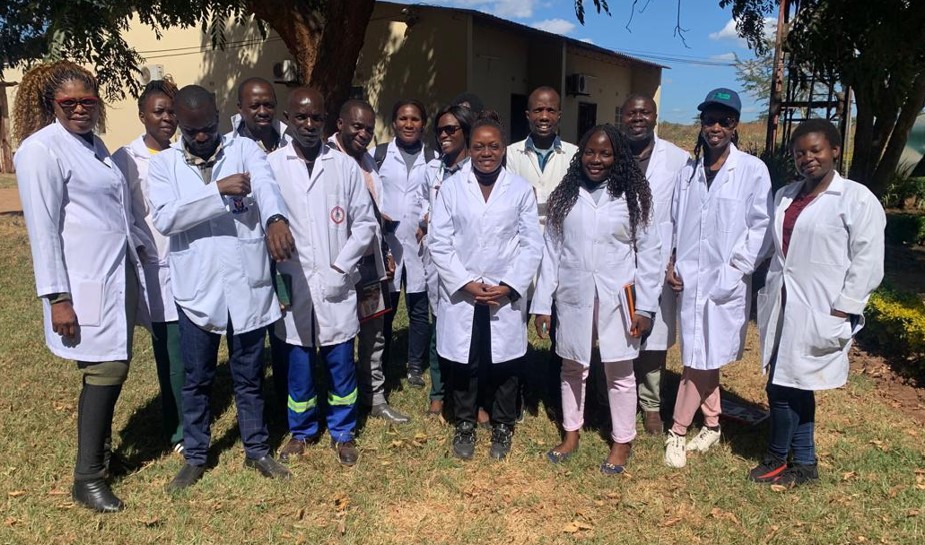
Cassava remains one of Zambia’s most important food security crops, but it is increasingly under threat from devastating diseases such as Cassava Brown Streak Disease (CBSD) and Cassava Mosaic Disease (CMD).
10 common wheat pests and diseases
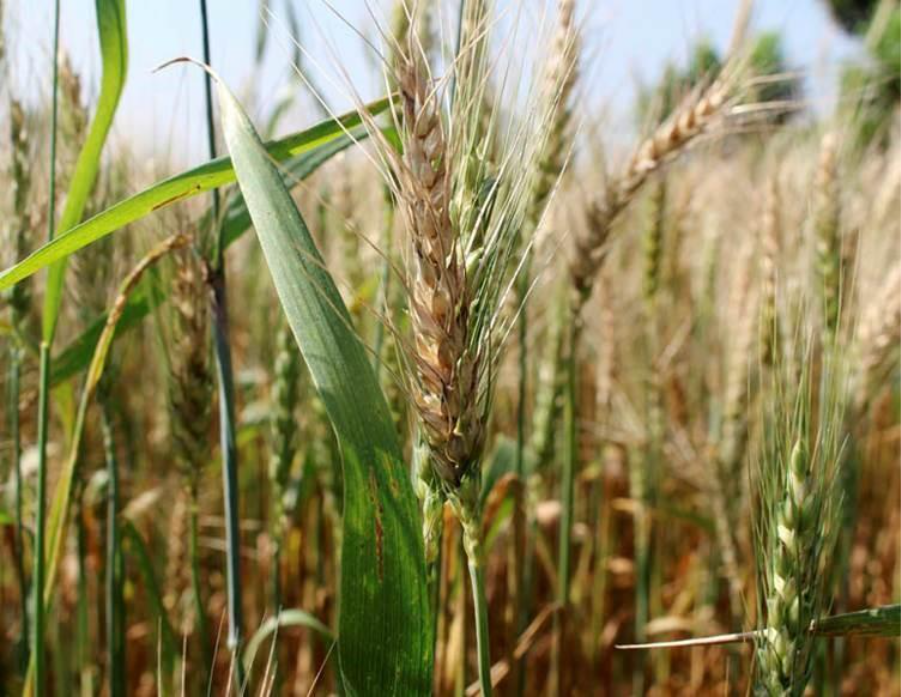
Wheat is a cereal grain, a staple food in many areas of the globe. It is primarily used to produce flour, which can be used to create other foodstuffs, including bread and pasta. Additionally, wheat and its by products are used to feed livestock. China is the world’s largest wheat producer, producing hundreds of millions…
CABI partners to train agrochemical registration officers on crop grouping guidelines in Kenya
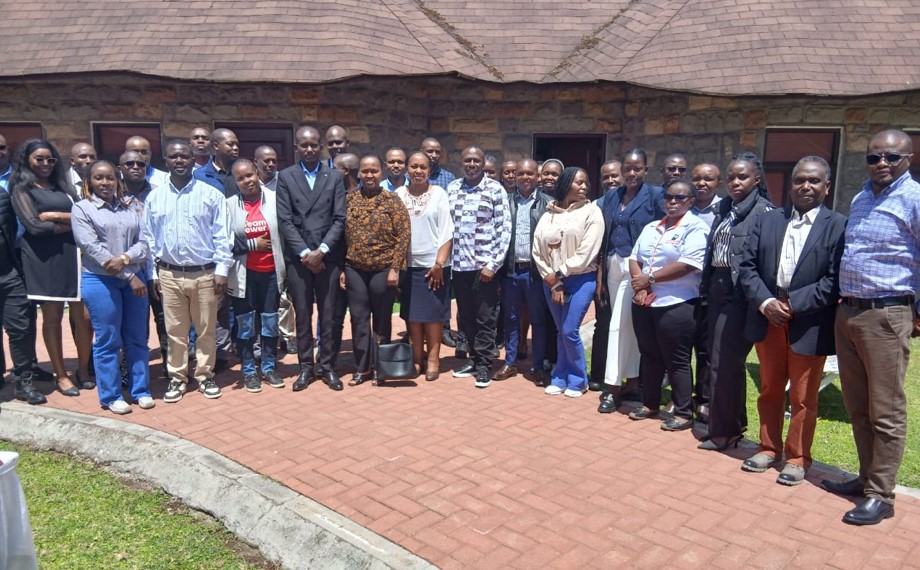
CABI partnered with the Pest Control Products Board (PCPB) of Kenya and the Minor Crops Technical Working Group – Kenya (MCTWG-Kenya) to build the capacity of registration officers from various agrochemical companies in efficacy, residue data, and crop grouping guidelines.
Scaling sustainable food production using integrated pest management
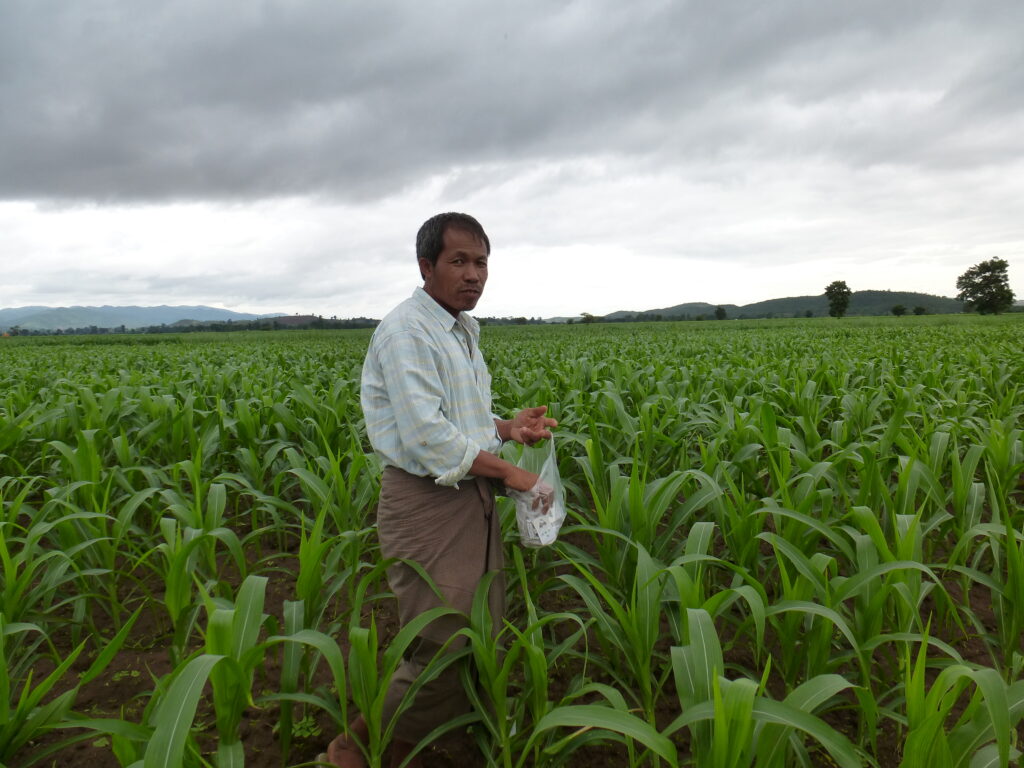
With the global population expected to reach 9.7 billion by 2050, the challenge of feeding more people while protecting our planet has never been more urgent. Traditional farming methods often rely heavily on chemical pesticides, contributing to ecosystem damage and human health concerns. Integrated pest management (IPM) is an approach that combines biological, cultural, and…
Empowering a continent: How youth and cooperatives are revolutionizing agriculture in East Africa
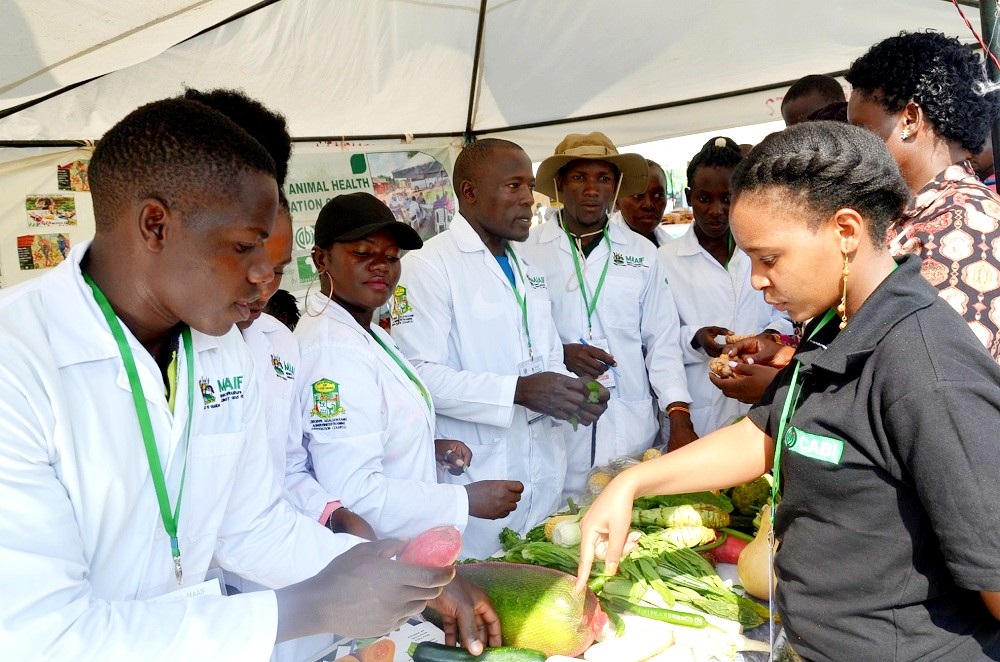
Across Kenya and Uganda, a transformative movement is reshaping the agricultural landscape, driven by the dynamic partnership between rural youth and established cooperative societies.
Understanding invasive species in agriculture: introduction, impact, and management
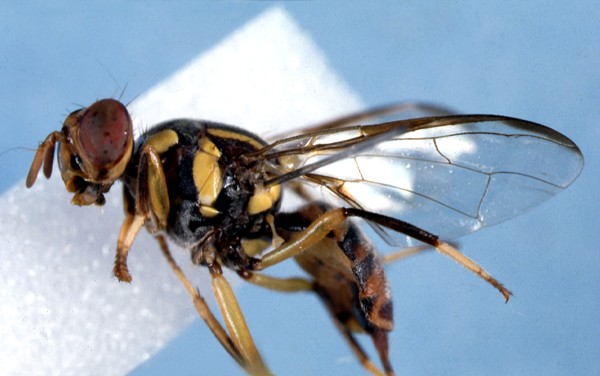
Invasive species are a growing threat to sustainable agriculture worldwide. When they are introduced into a region, they can spread rapidly, damage crops, disrupt ecosystems, affect native biodiversity, and result in significant economic losses. Understanding how invasive species are introduced to new areas is crucial in preventing their spread and protecting global food systems.
How do pest risk registers address the spread of plant pests in Africa?
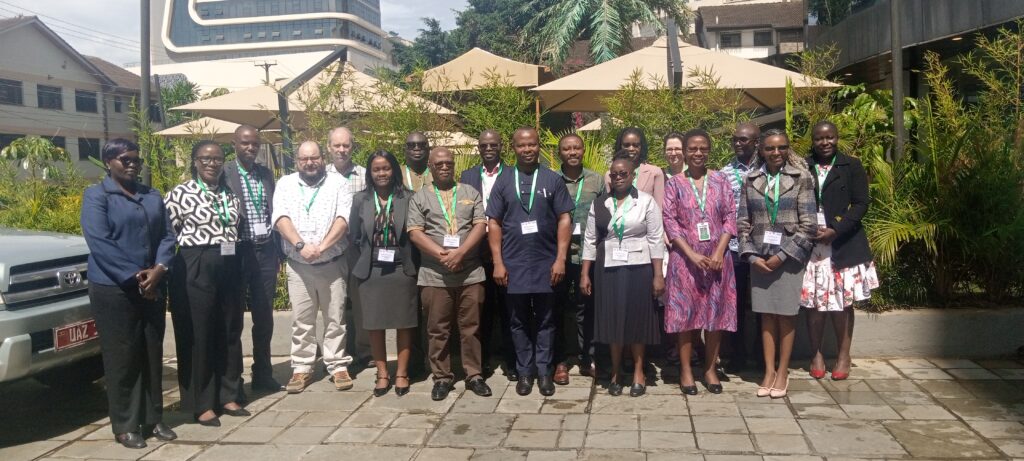
Pest risk registers can help to solve problems in agriculture, addressing the growing global threat of plant pests. Moreover, changing weather patterns, led by rising temperatures, are causing them to reproduce faster and expand into new regions. In addition, global trade and increased movement of people are accelerating the spread of pests across borders. These…